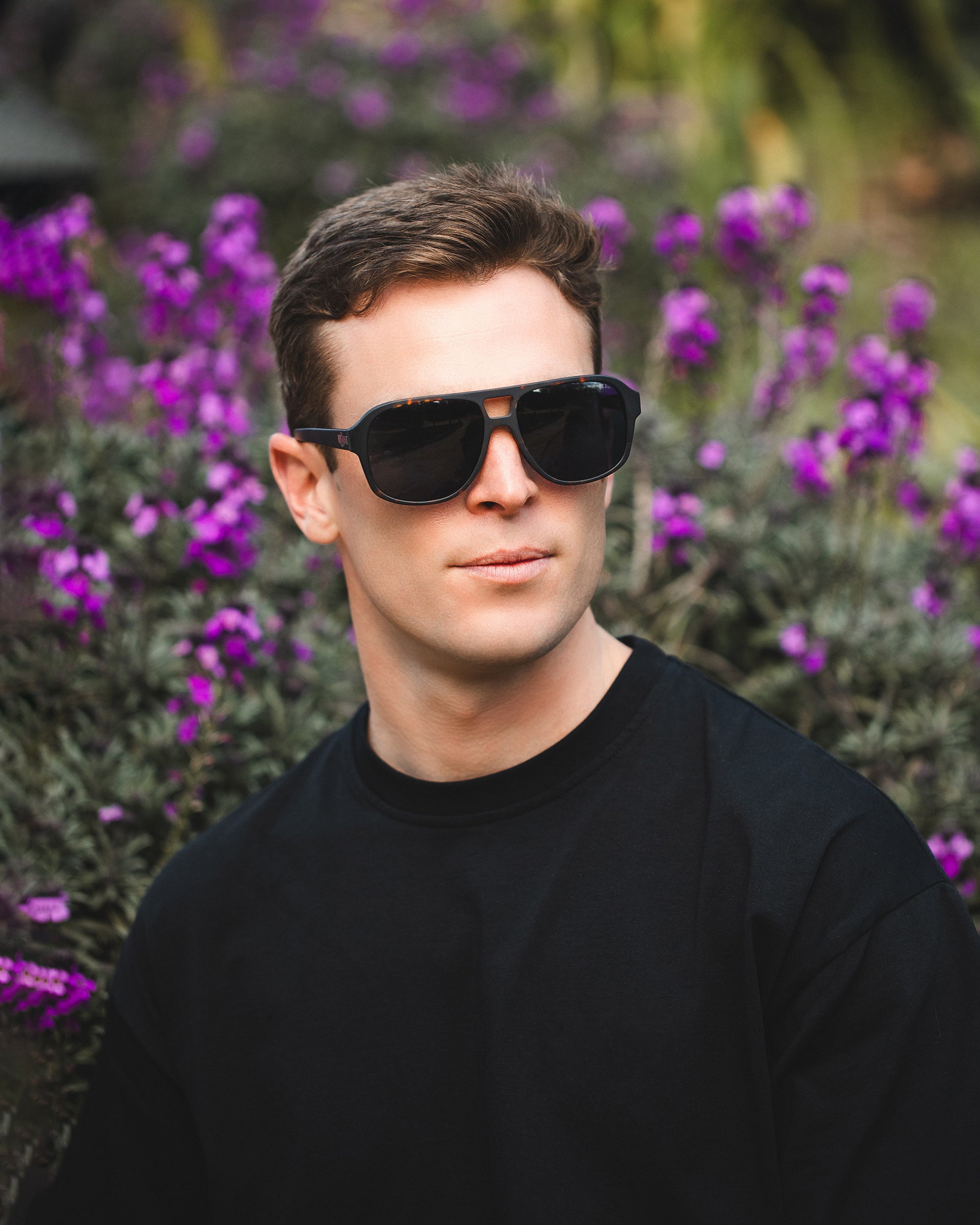
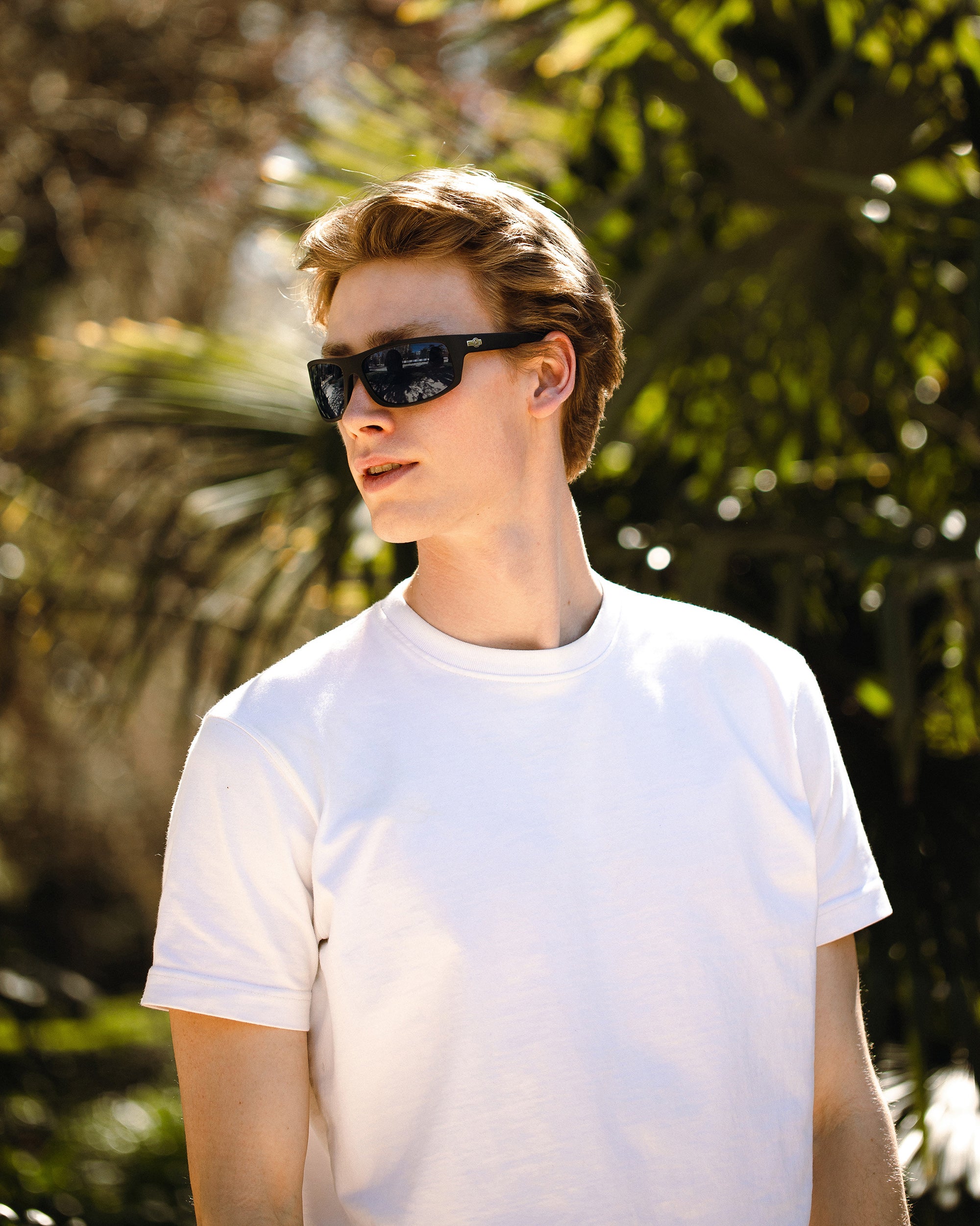
When winter arrives and snow begins to cover the mountains, many people think about skiing, walking on white trails, snowboarding, or simply spending a few days outdoors in a different environment. Snow has something special: it transforms the landscape, changes the light, and makes everything seem cleaner, more open, and more intense.
But that beauty also demands respect. Snow reflects a large amount of sunlight and can become a harsh environment for the eyes if the proper protection is not used. Even if it is cold, even if the sky is partly cloudy, or even if you don’t feel warm, solar radiation is still present.
That is why, when we talk about snow, mountains, and winter sports, sunglasses are not just an accessory. They are a piece of protection. The light reflected on the snow, the cold wind, the altitude, and prolonged exposure can cause significant discomfort and, in some cases, problems like solar keratitis.
In this article, we explain what keratitis is, why snow can affect the eyes so much, what type of glasses are best to use, and how to protect your eyes during mountain activities.

Why snow demands so much eye protection
Snow reflects much more light than other common environments. On a beach, the sand can be very bright; on the road, asphalt can create reflections; near water, the sun constantly bounces. But snow adds an extra level of intensity because it acts as a white, reflective surface.
This means that the eyes receive light from above and also from below, reflected by the ground. Additionally, in the mountains there is usually higher altitude, drier air, cold wind, and sudden changes between shade and sun. All of this can cause visual fatigue, dryness, tearing, discomfort, or light intolerance.
That is why, although many people associate sunglasses with summer, in winter they can be just as important or even more so in certain environments.
What is solar keratitis
Keratitis is an inflammation of the cornea, the transparent layer located at the front of the eye. It can have different causes, but when related to intense exposure to ultraviolet radiation, it is commonly called solar keratitis or photokeratitis.
In mountains and snow, this problem can appear after prolonged exposure without proper protection. Symptoms do not always arise at the exact moment of exposure. They can appear a few hours later and affect both eyes.
Among the most common symptoms are eye pain, redness, tearing, a gritty sensation, difficulty opening the eyes, and light intolerance. If symptoms like these appear after a day in the snow, it is appropriate to consult a healthcare professional.
This article is for informational purposes and does not replace medical advice. If you notice pain, blurred vision, intense photophobia, or persistent discomfort, it is best to see a specialist.

Altitude also influences
In the mountains, ultraviolet radiation can increase with altitude. The higher you are, the less atmospheric filtration there is and the greater the exposure can be. If you add the reflection from the snow, the combination is especially demanding for the eyes.
That is why skiing, snowboarding, walking with snowshoes, or spending many hours at mountain resorts without proper glasses is not a good idea. Even on partially cloudy days, relevant UV exposure can exist.
The thermal sensation can be deceiving. Cold does not mean absence of radiation. You may not feel heat on your skin and still be receiving intense sun exposure.
Which glasses to use in snow
For activities in snow, it is advisable to choose glasses with adequate UV protection, good coverage, and an appropriate lens category. Not all glasses serve the same purpose. A nice frame without real protection should not be used in this context.
In snow, the lens should help reduce brightness and protect against radiation. It is also important that the glasses cover the eye well to avoid lateral light and wind entry. For skiing or snowboarding, depending on the activity and conditions, it may be more appropriate to use a specific snow mask. For walks, gentle mountain activities, or casual use at resorts, good sunglasses can be very useful if they offer sufficient protection.
Lens categories: what each one means
Sunglasses are classified by categories according to the amount of visible light they let through. This category does not replace UV protection but helps to understand which brightness conditions a lens may be most suitable for.
- Category 0: very light lenses, for low brightness or aesthetic use.
- Category 1: light lenses, useful on cloudy days or soft brightness.
- Category 2: medium intensity lenses, for moderate light.
- Category 3: dark lenses for high brightness, very common at the beach, mountains, and outdoors.
- Category 4: very dark lenses for extreme brightness conditions, such as high mountains or very intense snow. They should not be used for driving.
For snow, the choice will depend on the activity, altitude, weather, and exposure level. Category 3 can be useful in many high-brightness conditions, but in extreme situations, more specific protection may be required.

Why polarized lenses can help
Polarized lenses help reduce reflections from surfaces like water, snow, asphalt, or glass. In snow, where light bounces strongly, polarization can improve visual comfort and reduce glare.
However, polarization is not everything. For snow, UV protection, lens category, frame coverage, and optical quality also matter. Polarized glasses without adequate protection would not be enough.
Ideally, choose glasses that combine several features: UV protection, good lens category, comfort, coverage, and durable materials.
Children and adolescents: special caution
Children and adolescents can be more vulnerable to sun exposure, especially because they often are not aware of visual discomfort until they have been exposed for some time. If you go to the snow with family, protecting the skin is not enough. You also need to protect the eyes.
Proper glasses, a cap or helmet, sunscreen, and breaks in shaded areas can help reduce risks. Also, it is important to explain that glasses are not just “to avoid discomfort,” but to protect the eyes.
Warning signs after being in the snow
After a day in the snow, pay attention if symptoms such as eye pain, red eye, intense tearing, gritty sensation, strong light sensitivity, or difficulty opening the eyes appear. Also if vision becomes blurry or discomfort does not decrease.
With these symptoms, it is best not to self-medicate or continue exposing yourself to the sun. Consult a healthcare professional for proper guidance.

How to choose glasses for mountains and snow
- UV protection: essential to protect the eyes from ultraviolet radiation.
- Appropriate category: for high brightness, a category 3 can be versatile; for extreme conditions, category 4 or a specific mask may be required.
- Good coverage: helps reduce lateral light and wind entry.
- Polarized lenses: useful for reducing snow glare.
- Comfort: they should fit well and not cause discomfort for several hours.
- Durable materials: especially if you are going to practice sports or hike in the mountains.
If you are preparing a winter getaway, you can check our collection of polarized sunglasses and choose a model to accompany you in high brightness outdoor settings.
Common mistakes in the snow
- Thinking protection is unnecessary in winter: cold does not eliminate UV radiation.
- Wearing dark glasses without checking protection: a dark lens does not guarantee UV protection.
- Not protecting children: they also need proper sunglasses.
- Using category 4 lenses for driving: they should not be used while driving.
- Trusting cloudy days: radiation can still be present.
- Not covering the sides well: in snow, light comes from many angles.

Frequently asked questions about sunglasses in snow
Is it necessary to wear sunglasses in the snow?
Yes. Snow reflects a lot of light and can increase glare. Proper sunglasses help protect the eyes and improve visual comfort.
What is solar keratitis?
It is an inflammation of the cornea related to intense exposure to ultraviolet radiation. It can appear after activities in snow or high mountains without adequate eye protection.
Are polarized sunglasses good for snow?
They can be very useful because they reduce glare. Still, UV protection, lens category, and coverage must also be considered.
Are regular sunglasses suitable for skiing?
It depends on the activity and conditions. For skiing or snowboarding, a specific snow mask may be more advisable. For walks or casual mountain use, good sunglasses can be useful if they provide proper protection.
What lens category should be used in snow?
Category 3 lenses can work for high brightness. In extreme snow or high mountain conditions, category 4 may be required, but these should not be used for driving.
Where to buy mountain sunglasses?
You can find models designed for outdoor use in the The Indian Face sunglasses collection.
Conclusion
Snow is one of the most beautiful and demanding environments for the eyes. Its ability to reflect light, combined with altitude and cold, makes eye protection essential.
Good sunglasses are not just a winter accessory. They are a way to protect your eyes while enjoying the mountains. Because adventure is better lived when you also know how to protect yourself.