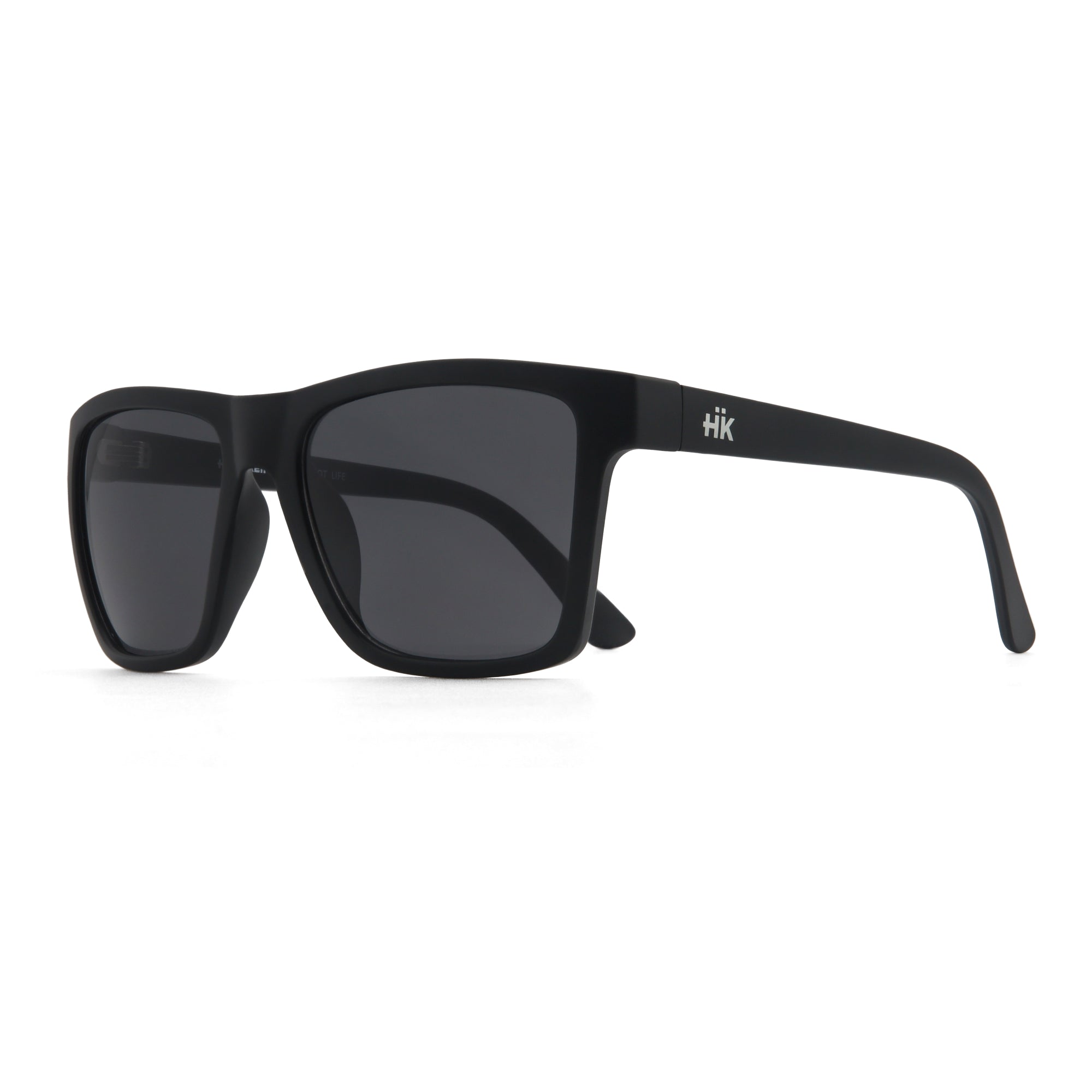
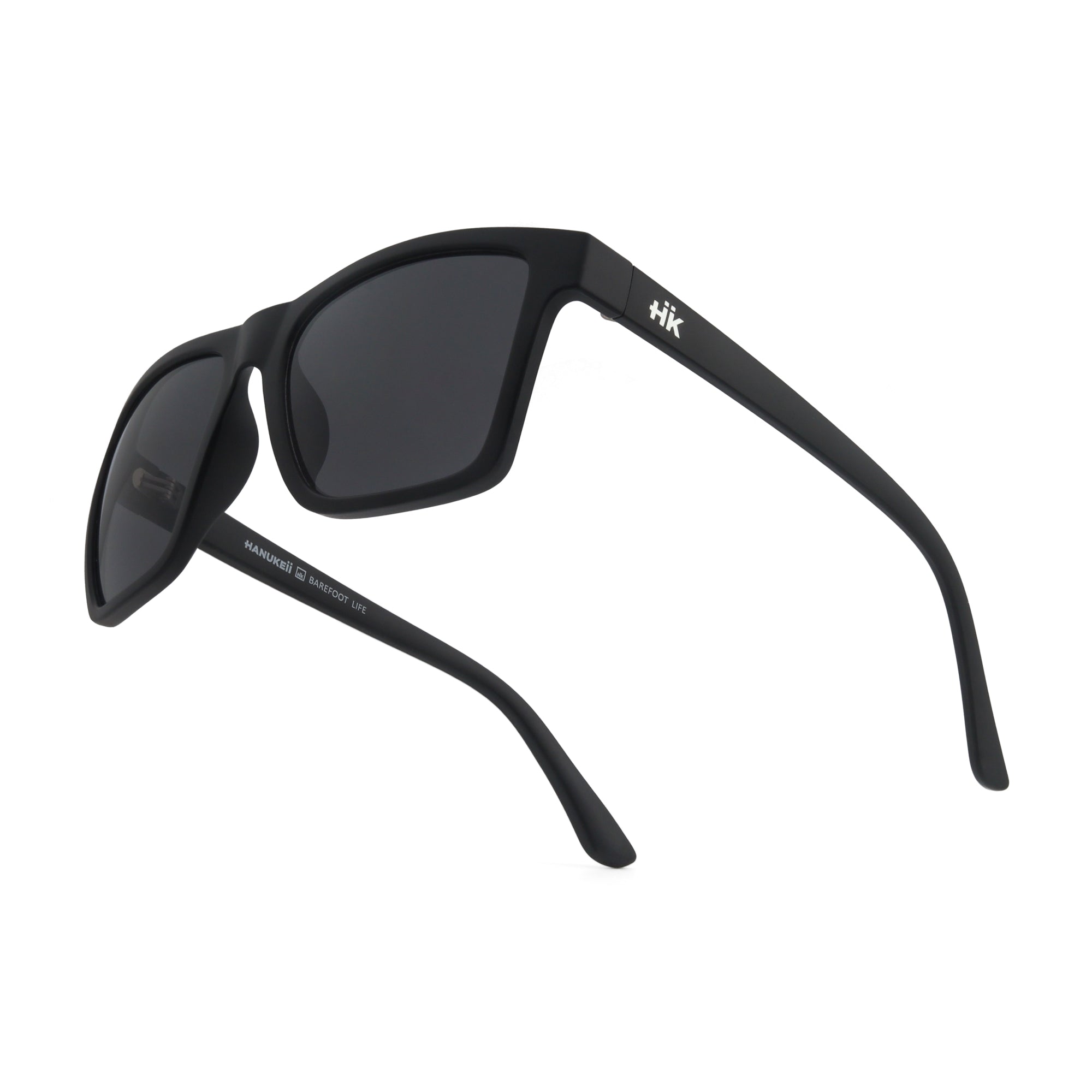
Polarized sunglasses for the beach: protection, style, and visual comfort
Do you have everything ready to enjoy a few days in the sun? Swimsuit, comfortable t-shirts, cap, towel, sunscreen, plans by the sea, and that feeling of leaving the routine a little further behind. There's something special about preparing a summer getaway: it feels like everything weighs less, time opens up, and every plan holds a promise.
But in that list of essentials, there is one item that is often left for last and yet should be among the first: a good pair of sunglasses. Not only because they complete any beach look, but because they protect one of the most sensitive parts of the body: the eyes.
The beach is one of the places where it makes the most sense to wear polarized sunglasses. Light doesn't just come from above. It also bounces off the water, sand, rocks, bright surfaces, and everything around us. That constant reflection can be uncomfortable, tire the eyes, and make you squint for hours without realizing it.
That's why, if you're going to spend time near the sea, polarized sunglasses for the beach are not just an accessory. They are a useful, comfortable, and necessary piece. A simple way to enjoy the outdoors more without straining your eyes.

Why the beach demands more visual protection
Every year we hear about the importance of protecting the skin during summer. We use sunscreen, avoid the central hours of the day, and seek shade when the sun is too strong. But often we forget that the eyes also suffer from prolonged exposure to sunlight.
The sea, sand, and bright surfaces multiply the sensation of brightness. Even when the day doesn't seem especially bright, reflected light can cause glare. This discomfort appears when looking at the water, walking along the shore, reading under an umbrella, or even driving along the coast.
Sunglasses help reduce that discomfort. And if they are polarized, they can further improve the visual experience because they are designed to reduce some of the glare produced on horizontal surfaces like water, asphalt, or sand.
It's not just about seeing darker. It's about seeing more comfortably.
What it means for sunglasses to be polarized
Polarized sunglasses incorporate a filter designed to reduce glare caused by reflected light. That reflected light is often what makes the landscape seem too bright, the water dazzling, or the road uncomfortable at certain times of the day.
At the beach, this type of lens makes a lot of sense. The sun reflects off the sea and creates constant flashes. It also bounces off the sand and light surfaces. Polarization helps filter some of that light, making vision softer and more comfortable.
That’s why polarized sunglasses can be very useful for walking by the sea, driving on bright days, practicing water sports, reading on a terrace, spending a day at the beach, or simply enjoying the scenery without straining your eyes.
The difference is especially noticeable in small ways: you stop squinting so much, notice fewer annoying glares, and can keep your eyes relaxed for longer.
Polarized sunglasses and UV protection: they are not the same
It’s important to understand one difference clearly: polarized sunglasses don’t automatically mean they have full sun protection. Polarization reduces reflections, but protection against ultraviolet radiation depends on the lens’s UV filter.
That’s why when choosing sunglasses for the beach, it’s important to consider both aspects. On one hand, that they are polarized if you want to reduce glare. On the other, that they have adequate UV protection to care for your eyes against the sun’s rays.
A dark lens without real protection can give a false sense of security. Darkness reduces visible light but doesn’t necessarily block UV radiation. That’s why quality matters, especially in summer when we spend more hours outdoors.
The best sunglasses aren’t just the ones that look good in a photo. They are the ones that protect, are comfortable, and you can wear for hours without thinking about them.

When health and style go hand in hand
Sunglasses have a very special virtue: they effortlessly combine utility and style. They protect your eyes but also change how a look is perceived. They can make it more elegant, sportier, more relaxed, or more summery.
At the beach, sunglasses are one of the most visible accessories. They are worn with swimsuits, bikinis, t-shirts, open shirts, light dresses, caps, sandals, or comfortable travel clothes. That’s why choosing a model that suits you makes sense not only from a practical point of view but also aesthetically.
A tortoiseshell frame can add warmth. A dark lens, sobriety. A sportier design, energy. Oversized glasses, sophistication. A lighter, casual model, naturalness.
The important thing is that sunglasses don’t feel like a forced addition. They should be part of your style. Your plans. Your way of moving.
Why wear sunglasses even on cloudy days
One common mistake is thinking we only need sunglasses when the sky is completely clear. In reality, cloudy days can also be very bright. UV radiation can pass through clouds, and reflections still appear on water, sand, or roads.
Also, on overcast days many people strain their eyes more without realizing it. There’s no direct sun causing obvious discomfort, but there is a constant brightness that eventually tires the eyes.
That’s why if you’re spending the day outside, it makes sense to wear sunglasses even if the sky isn’t perfect. Especially if you’re near the sea, on a terrace, walking along the coast, or driving for several hours.
Sunglasses aren’t just for the brightest summer days. They’re for any time when light affects how you see and enjoy the outdoors.
How to choose sunglasses for the beach
Choosing sunglasses for the beach shouldn’t depend solely on color or shape. There are several factors to consider if you want to get it right.
- UV protection: essential to protect your eyes from solar radiation.
- Polarized lenses: highly recommended to reduce reflections from the sea, sand, or bright surfaces.
- Comfort: beach sunglasses should be wearable for hours without pressing or slipping.
- Lightweight: the lighter they are, the easier they are to wear on long hot days.
- Durable frame: sand, salt, heat, and constant use require sturdy materials.
- Versatile style: ideally, they should match beach, city, travel, and summer looks.
Polarized sunglasses for driving to the beach
Often, the first time you appreciate a good pair of sunglasses is not when you arrive at the beach, but during the journey. Driving in summer can be uncomfortable due to direct sunlight, reflections on the windshield, the glare from the asphalt, or the low light during early morning and late evening.
Polarized sunglasses can help reduce some of those reflections and make driving more comfortable. This does not replace paying attention while driving, but it can improve the visual experience on bright routes.
That’s why sunglasses for the beach are also good sunglasses for the road. You wear them in the car, when getting out, during the walk, at lunch, on the shore, and on the way back home. When a pair of glasses works in so many moments, it becomes a truly useful accessory.
How to match sunglasses in summer looks
Summer allows dressing with fewer layers, so accessories gain more prominence. A pair of sunglasses can elevate a very simple outfit: white t-shirt, swimsuit, light dress, linen shirt, cap, or shorts.
Tortoiseshell frames work very well with white, beige, sand tones, navy blue, denim, olive green, and browns. Black frames add more strength and contrast. Mirrored lenses give a sportier vibe. Rounded shapes soften the face. Rectangular frames add structure.
For a more natural beach look, look for comfortable glasses with an easy-to-wear frame and a design that doesn’t seem too rigid. The beach calls for pieces that breathe. That accompany. That don’t make everything look too planned.
Glasses for beach, city, and outdoor life
Good sunglasses shouldn’t be for just one setting. The best are those that go from the beach to the city without losing their purpose. The ones you can wear on a terrace, on a hike, in the car, on a getaway, or on any summer day.
That’s the value of versatile glasses. They don’t need a perfect occasion. They work in many moments and that’s why they get used more. They’re the kind of accessory that always ends up in the backpack, the bag, the car, or near the door before going out.
At The Indian Face, we see sunglasses as part of a life connected to the outdoors. Not just as an accessory to pose with, but as a simple tool to better experience the light, the journey, the sea, and everyday adventure.
How to care for your sunglasses at the beach
The beach can be one of the most aggressive places for glasses. Sand, salt, heat, sunscreen, and constant use can affect both the lenses and the frame. That’s why it’s important to take good care of them.
- Store them in their case: especially when you put them in a beach bag.
- Do not clean them with your t-shirt: sand can scratch the lens.
- Remove sand or salt first: before rubbing, gently clean the particles.
- Avoid leaving them in the sun on the towel: extreme heat can affect some materials.
- Do not support them face down: it is one of the easiest ways to scratch the lenses.
Well-maintained sunglasses last longer, look better, and keep your vision clearer for much longer.
Frequently asked questions about polarized sunglasses for the beach
Why are polarized sunglasses recommended for the beach?
Because they help reduce sun glare on water, sand, and other bright surfaces. This makes vision more comfortable and reduces eye fatigue during a day outdoors.
Do polarized sunglasses protect against UV rays?
Polarization reduces glare, but UV protection depends on the lens filter. Ideally, choose sunglasses that combine polarized lenses and adequate UV protection.
Can I use polarized sunglasses for driving?
Yes. They can be very useful to reduce glare from asphalt, windshields, or shiny surfaces. They are especially comfortable on long trips with a lot of light.
What type of frame is best for the beach?
A lightweight, comfortable, and durable frame. It should also fit well so it doesn’t slip with heat or movement.
Are dark sunglasses always better for the beach?
Not necessarily. Darkness helps reduce visible light, but protection depends on the UV filter. A good lens should protect, not just darken.
How to clean sunglasses after going to the beach?
Ideally, first carefully remove sand or salt, clean with water if necessary, and dry with a soft cloth. Avoid paper, t-shirts, or rough fabrics.
Where to buy polarized sunglasses for the beach?
You can find different models of polarized sunglasses at The Indian Face, designed to accompany you at the beach, in the city, on the road, during trips, and any outdoor plan.
Conclusion
Going to the beach with good polarized sunglasses is one of those small decisions that make a big difference. They protect your eyes, reduce glare, improve comfort, and naturally complete your style.
Summer is more enjoyable when you are well prepared. Not just with sunscreen, swimwear, and a towel. Also with sunglasses that let you look at the sea without discomfort, drive more comfortably, and spend hours outdoors without straining your eyes.
In the end, paying attention to details is also part of living better. And a good pair of sunglasses is one of those details that accompany you much more than it seems.
Discover the collection of The Indian Face sunglasses and find the model that best fits your upcoming sunny days.