


How sunglasses influence sports performance
Sports sunglasses have gone from being a simple accessory to becoming an important part of the gear for anyone who practices outdoor sports. When you go running, cycling, skiing, playing tennis, hiking in the mountains, or training near the sea, your eyes work as hard as the rest of your body. They receive direct light, reflections, wind, dust, humidity, contrast changes, and constant stimuli that can affect your comfort, concentration, and also your performance.
For a long time, sunglasses were thought to serve only to protect from the sun or complete a certain style. However, in sports, they fulfill a much more specific function. Good sports sunglasses can help you see better, reduce glare, protect your eyes from ultraviolet radiation, improve terrain perception, and prevent distractions caused by wind, dust, or reflections. They don’t do the work for you, but they can help you train and compete with clearer, steadier, and safer vision.
In this article, we will explore why sunglasses affect sports performance, what features to consider when choosing them, and why not all lenses offer the same experience when the activity is performed outdoors.
Eye protection: much more than just an aesthetic issue
The primary function of sports sunglasses is to protect the eyes. Prolonged exposure to solar radiation can cause discomfort, irritation, dryness, eye fatigue, and over time, contribute to the deterioration of eye health. That’s why when we talk about outdoor sports sunglasses, UV protection should not be a secondary detail but a basic requirement.
In activities such as skiing, cycling, running, hiking, or water sports, the intensity of light can increase significantly due to reflections. Snow, water, asphalt, sand, or even light-colored rocks can reflect some of the light back into the eyes, creating a constant glare sensation. This is not only uncomfortable but can also reduce reaction ability and cause you to miss important details in your surroundings.
That's why quality sports sunglasses should act as a barrier against intense light, but without excessively darkening vision or uncomfortably altering the perception of the environment. The goal is not to see less, but to see better. A good lens helps filter light, reduce reflections, and maintain a more stable vision during activity.
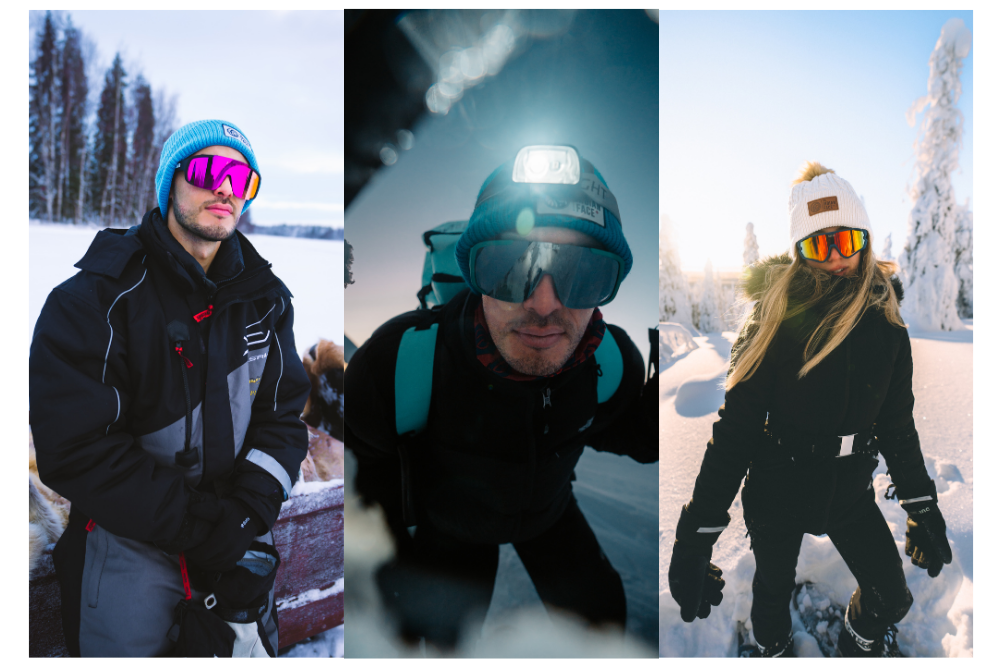
Glare reduction: a real advantage outdoors
One of the biggest enemies of visual performance outdoors is glare. It appears when light bounces off surfaces like water, snow, asphalt, or glass and reaches the eyes with too much intensity. At those moments, vision loses clarity, it's hard to keep a steady gaze, and the body tends to react with tension: squinting, lowering the head, or looking away.
That small repeated gesture during a long outing can end up causing fatigue. In cycling, for example, glare can make it difficult to read the road. In trail running, it can prevent you from clearly distinguishing stones, roots, or level changes. In water sports, it can stop you from correctly reading the water surface. And in snow, where the reflection is especially intense, it can become a risk factor if the proper protection is not used.
Polarized lenses are especially useful for reducing that type of glare. Their function is to filter part of the reflected light that arrives horizontally, offering a more comfortable vision with less glare. That's why polarized sunglasses are very common in sports like cycling, fishing, sailing, skiing, snowboarding, mountain sports, or driving in very bright environments.
This doesn't mean that polarized lenses are always the only option, but it is a very interesting technology for those looking for outdoor sports glasses that help maintain visual clarity in strong light conditions.
Contrast and terrain perception: seeing the details that matter
In sports, seeing well doesn't just mean distinguishing objects. It also means quickly interpreting the environment. The terrain changes, the light changes, reflections appear and disappear, and each discipline requires a different visual reading. In mountain running, you need to anticipate irregularities. On a bike, you must read curves, shadows, and surface changes. In tennis or paddle, you need to track the ball precisely. In golf, the contrast of the terrain can help you better calculate distances and slopes.
That’s why many sports sunglasses are designed to enhance contrast. A suitable lens can help you better distinguish reliefs, shadows, obstacles, and color variations. This improvement may seem small at rest, but during sports, it can make a significant difference. When you’re moving fast, tired, or when the light changes suddenly, any visual aid counts.
The best glasses for sports are not necessarily the darkest. In fact, a lens that is too dark can be uncomfortable in shaded areas or on routes with changing light. The important thing is to find a balance between protection, contrast, and visual naturalness. The lens should protect but also allow the eye to continue interpreting the environment accurately.
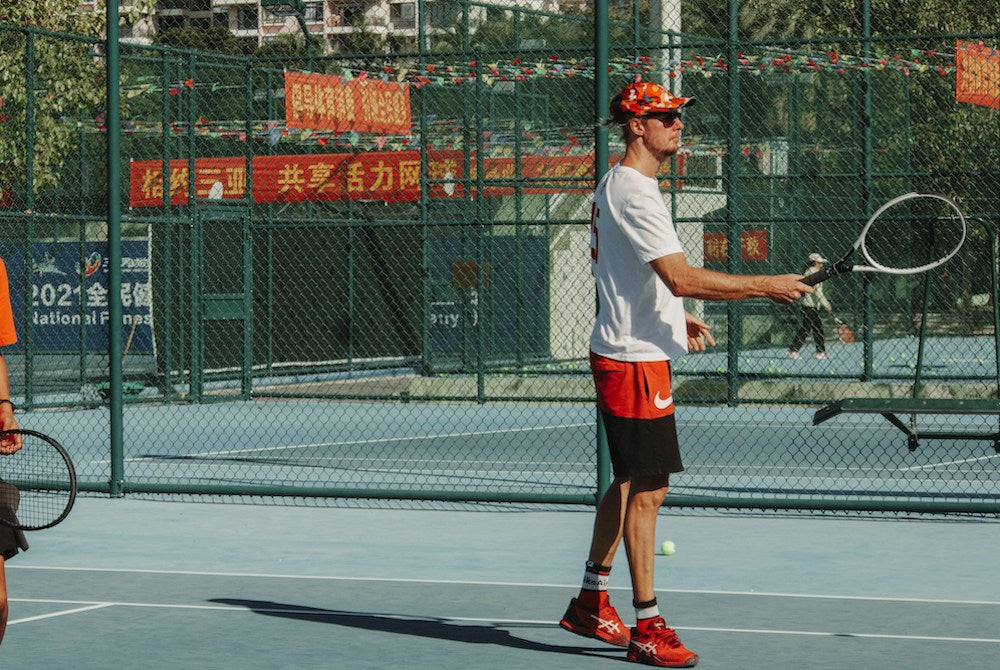
Less visual fatigue during long training sessions
Visual fatigue is one of those factors often noticed late. At first, you only feel some discomfort: you squint, the light bothers you, you blink more, lose concentration, or feel your eyes tire before your body. On long outings, that fatigue can affect overall performance because it forces the brain to work harder to interpret the environment.
Good sports sunglasses help reduce that effort. By filtering intense light, reducing glare, and protecting against wind or dust, vision remains more relaxed. This is especially useful in endurance sports, where visual comfort for one or two hours can be as important as the comfort of shoes, a backpack, or technical clothing.
In activities like cycling, trail running, hiking, skiing, mountain sports, or sea sports, the eye is exposed for long periods to changing conditions. Direct light, shadows, reflections, air, suspended particles, and changes in pace. If the glasses fit well on the face and offer comfortable vision, the athlete can focus more on the activity and less on external discomforts.
Protection against wind, dust, insects, and other elements
Light is not the only factor that can affect vision during sports. Wind, dust, sand, insects, branches, or splashes can also become distractions. In cycling, proper glasses protect against frontal air and small particles. In mountain running, they help avoid dust, branches, or insects. In water sports, they reduce the discomfort of splashes and water glare. In skiing or snowboarding, they protect against cold, snow, and wind.
That’s why when choosing men’s sports sunglasses or women’s sports sunglasses, it’s not just about aesthetics. Frame coverage, lens shape, nose fit, temple stability, and comfort during movement also matter. Glasses that move, squeeze too much, or let in too much air can end up being uncomfortable, even if they look suitable visually.
In sports, comfort is not a luxury. It is a condition for the product to work. If glasses need constant readjustment, fog up easily, or cause pressure on the head, they will stop supporting the athlete and become a nuisance.
Fit: key for sports glasses to really work
Fit is one of the most important and, at the same time, one of the most overlooked aspects. Sunglasses for daily use can allow some freedom in shape, weight, or hold. But sports glasses must stay stable during movement. They shouldn’t slip with sweat, bounce while running, press too much under a cap or helmet, or cause discomfort points after several minutes of use.
Lightness is important, but it’s not everything. The ergonomics of the frame, the design of the nose bridge, the grip of the temples, and compatibility with other gear also matter. In cycling, for example, glasses should work well with the helmet. In trail running, they must stay stable during ascents and descents. In snow sports, side protection and adaptation to the cold are essential.
A good fit allows the glasses to disappear during activity. That is, you don’t have to think about them. When sports glasses are well designed, they simply accompany you: they protect, stay in place, and allow your attention to remain on the trail, track, wave, snow, or road.
What features to look for in sports sunglasses
When choosing sports sunglasses, it is important to consider several aspects. The first is UV protection. Then, lens quality, glare reduction, contrast, weight, ventilation, frame durability, and comfort of the fit. Not everyone practices the same sport or moves under the same conditions, so the ideal choice will depend on the main use.
For sports with a lot of reflected light, like skiing, snowboarding, sailing, fishing, or activities near water, polarized lenses can be a great choice. For cycling, running, or mountain sports, a lens that combines good coverage, lightness, and contrast may be of interest. For training with frequent light changes, lenses with good visual adaptation can be especially comfortable.
It’s also important to consider the actual use you’ll give them. It’s not the same to look for glasses for daily training as for trips, weekend getaways, or more occasional outdoor activities. In any case, it’s advisable to choose a model that combines protection, comfort, and durability. Glasses that work well in different situations end up being a much more useful companion.
Sunglasses and performance: small details that add up
In sports, performance doesn’t depend on a single element. It depends on preparation, technique, rest, nutrition, equipment, and the ability to make decisions at every moment. Sunglasses don’t replace any of those factors, but they can improve a specific part of the experience: the way you see and read your surroundings.
Seeing more clearly helps you move more safely. Reducing glare helps maintain focus. Protecting your eyes helps you train more comfortably. And wearing glasses that fit well avoids unnecessary distractions. These are subtle details, but on a long outing, a fast descent, or a very bright day, those details make a difference.
That’s why good sports sunglasses shouldn’t be seen just as a style accessory. They are another tool in your outdoor gear. A piece designed to protect your vision, improve comfort, and support movement.

An investment in comfort, protection, and visual health
Choosing the right sports sunglasses is an investment in comfort and protection. It’s not about finding the flashiest or most technical model on paper, but the one that best fits your way of moving. Good glasses should protect your eyes, help you see clearly, stay stable, and accompany you during the activity without becoming a distraction.
For those who practice outdoor sports, vision is an essential part of performance. Through it, we interpret distance, speed, obstacles, terrain changes, and environmental conditions. Taking care of it is no minor matter. It’s part of training better, moving more safely, and enjoying every outing more.
The next time you prepare a route, a running session, a bike ride, a skiing day, or a day by the sea, also think about your eyes. The right glasses can make the difference between simply protecting yourself from the sun and having a more comfortable, precise, and complete visual experience.
Frequently asked questions about sports sunglasses
Why are sunglasses important in sports?
Because they protect the eyes from UV radiation, reduce glare, help prevent eye fatigue, and protect against elements like wind, dust, sand, or splashes. Additionally, they can improve visual clarity and terrain perception during the activity.
What type of lenses are best for outdoor sports?
It depends on the sport and lighting conditions. Polarized lenses are highly recommended for activities with many reflections, such as water sports, snow, cycling, or driving. For mountain activities, running, or cycling, it is also important to look for lenses with good contrast, UV protection, and comfortable vision for several hours.
Are polarized glasses good for sports?
Yes, polarized glasses can be very useful in many outdoor sports because they reduce reflections from surfaces like water, snow, or asphalt. They help you see more clearly and reduce glare, especially on very bright days.
Which sports require specific sunglasses?
Sports like skiing, snowboarding, cycling, running, trail running, golf, tennis, paddle tennis, sailing, fishing, hiking, and water sports can benefit from glasses designed for the activity. For snow sports, you can also check out our collection of sports sunglasses.
What should a good pair of sports glasses have?
A good pair of sports glasses should offer UV protection, good optical quality, comfort, lightness, durability, stability during movement, and lenses suitable for the environment in which they will be used. It is also important that they fit well on the face and do not cause discomfort during long training sessions.
Are the same glasses suitable for running, cycling, and hiking?
In many cases, yes, as long as they are versatile, lightweight, comfortable sports glasses with good protection. However, if you practice a sport very intensely or in specific conditions, you might want to choose a model more specific to that activity.


