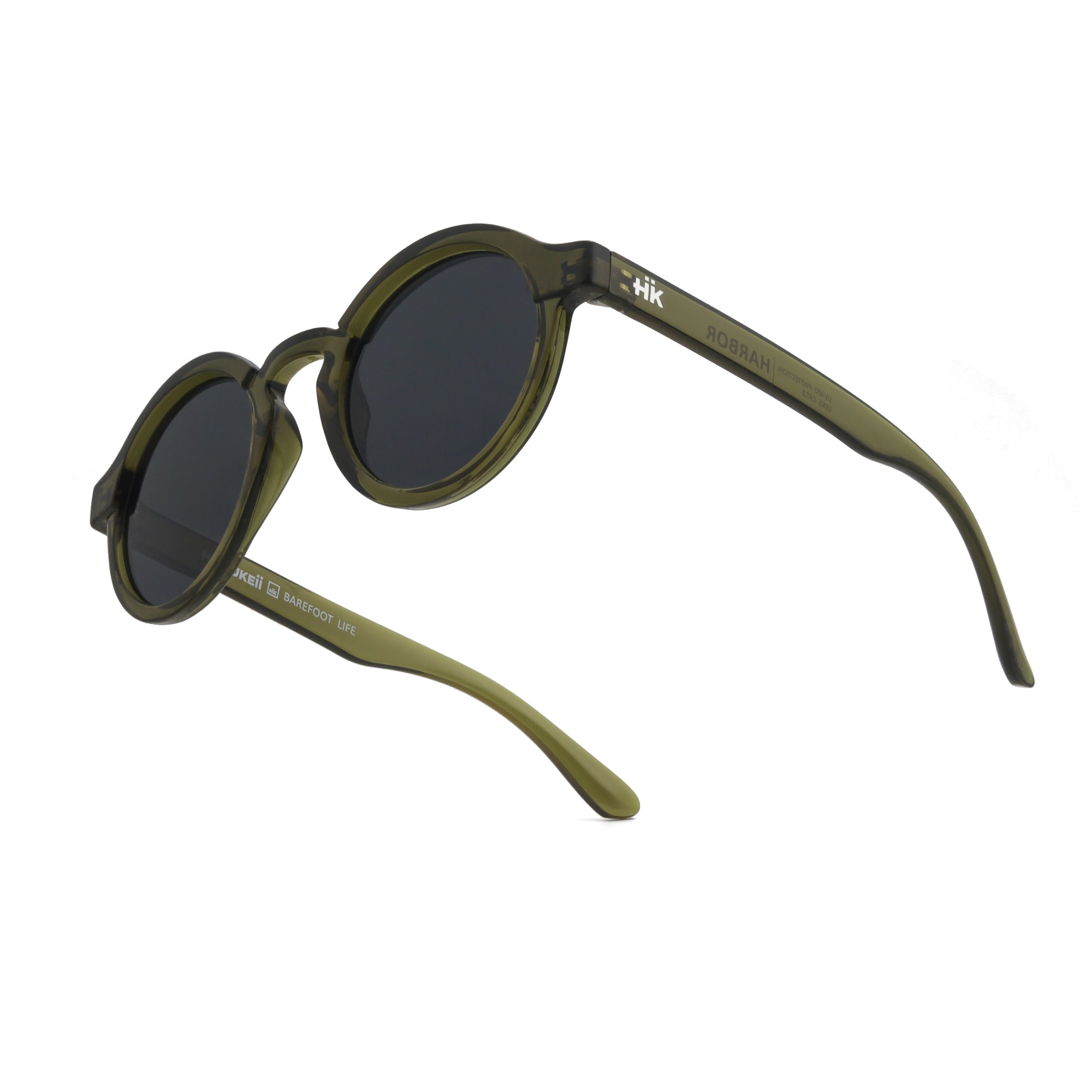
Cleaning sunglasses seems like a simple task, but doing it wrong can ruin the lenses, scratch the surface, damage protective coatings, or leave marks that end up bothering you every time you wear them. Many glasses don’t deteriorate from use but from small repeated habits: cleaning them with your t-shirt, placing them face down, putting them in a backpack without a case, or rubbing them when they still have sand or dust.
That’s why it’s worth learning how to properly clean your sunglasses. You don’t need complicated products or a long routine. With warm water, neutral soap, and a clean microfiber cloth, you can keep them in good condition for much longer.
A good pair of sunglasses are designed to accompany you in many moments: beach, mountains, road, city, sports, travel, or spontaneous plans. That’s exactly why they get dirty. We touch the lenses with our fingers, dust, salt, sweat, sunscreen, or small particles accumulate that we don’t always see with the naked eye.
The key is not just cleaning them, but cleaning them well. Doing it carefully helps preserve lens clarity, visual comfort, and the original look of the frame.

What you need to clean your sunglasses
You don’t need a professional kit to care for your glasses. In fact, often the simpler, the better. The important thing is to avoid harsh products and materials that can scratch.
- Warm water: helps remove dust, salt, sand, and surface residues before rubbing.
- Neutral soap: enough to remove grease, sunscreen, sweat, or fingerprint marks.
- Clean microfiber cloth: ideal for drying and wiping without damaging the lens.
- Clean hands: before touching the glasses, it's best to remove grease or dirt from your fingers.
- Protective case: essential for storing them afterward and preventing scratches.
Avoid household glass cleaners, alcohol, colognes, abrasive products, kitchen paper, napkins, tissues, or t-shirts. They may seem like quick solutions, but in the medium term, they can damage the lenses or leave micro-scratches.
Step 1: wash your hands well
Before touching the glasses, wash your hands with water and soap. It may seem like a minor detail, but it’s not. If you have cream, grease, dust, or dirt residues on your fingers, they will end up on the lenses or frame.
Then, dry your hands with a clean towel. It makes no sense to clean glasses with wet or dirty hands because you’ll end up leaving new marks while trying to remove the old ones.
Step 2: rinse the glasses with warm water
This step is one of the most important. Before rubbing, place the glasses under a gentle stream of warm water. This removes dust, sand, or salt particles that could scratch the lens if you drag them with the cloth.
The water should not be very hot. Excessive temperature can affect some materials or coatings. There’s no need to use strong pressure either. Just gently rinse the front, the inside of the lenses, the frame, the temples, and the hinges.
Step 3: apply a small amount of neutral soap
Once rinsed, apply a small drop of neutral soap. You don’t need much product. Gently rub the lenses on both sides, the bridge, the temples, and the areas where dirt usually accumulates with your fingers.
Pay attention to the hinges and the nose area. These are spots where sweat, sunscreen, or dust residues accumulate. If you use the glasses at the beach, in the mountains, or while doing sports, these details matter even more.
Do not use abrasive sponges or hard brushes. Your clean fingers are enough for this basic cleaning.
Step 4: rinse until all soap is removed
After cleaning, rinse the glasses again with warm water. Make sure no soap remains on the lenses or frame. Product residue can leave streaks, marks, or blurry spots when drying.
Gently move the glasses under the water so the rinse reaches all areas. If you see the lens still has grease or marks, repeat the process with a minimal amount of soap.
Step 5: dry with a clean microfiber cloth
Drying is where many glasses get damaged. Avoid using t-shirts, rough towels, paper, napkins, or tissues. Although they may seem soft, they can contain fibers or particles that scratch the lens.
It’s best to use a clean, dry microfiber cloth. Do not rub hard. Gently place the cloth and dry with delicate movements. If the cloth is dirty, it can do more harm than good, so it’s advisable to wash it from time to time.
Step 6: store them properly
Once clean, store the glasses in their case. This last step is as important as cleaning. Many lenses get scratched not because of improper cleaning, but because they are left loose in a bag, backpack, car, or on a table.
Do not place them lens-down. Do not leave them in the sun inside the car for hours. Do not wear them hanging from your neck if they can fall. And if you go to the beach, avoid putting them directly in a bag with sand, keys, or cream containers.

Common mistakes when cleaning sunglasses
- Cleaning them with your shirt: can drag dust or sand and scratch the lens.
- Using napkins or paper: their fibers can be more abrasive than they seem.
- Applying alcohol or cologne: can affect treatments, finishes, or materials.
- Rubbing dry: if there are particles, you will drag them across the lens.
- Using very hot water: can damage some components.
- Not cleaning the hinges: dirt also accumulates there.
- Storing wet glasses: can leave marks and moisture in the case.
How to clean sunglasses after the beach
The beach is one of the most harsh environments for glasses. Sand, salt, sunscreen, heat, and humidity can affect the lens and the frame. If you’ve spent the day by the sea, the best thing is to rinse them with fresh water when you get home.
Do not rub directly if you see sand. First, let water remove the particles. Then apply mild soap if there is grease or cream. Dry with a microfiber cloth and store them in their case when completely dry.
This small care can greatly extend the lifespan of your glasses.
How to clean sunglasses after exercising
If you wear glasses for running, cycling, hiking, or outdoor sports, it’s normal for them to accumulate sweat, dust, and marks. In this case, it’s best to clean them more frequently.
Sweat can leave residues on the frame and the nose area. Rinsing with warm water and mild soap helps keep them comfortable and hygienic. It also prevents the temples or the bridge from deteriorating prematurely.

How to keep your glasses longer
Cleaning well is important, but preserving them well is even more so. Glasses are a frequently used accessory and are exposed to small bumps, scratches, and temperature changes.
To take better care of them, get used to always storing them in the same place. Use the case when you're not wearing them. Don't leave them on the car seat, on the edge of a table, or inside a bag without protection.
If you have several models, keeping them organized also helps them last longer. An organizer, a box, a drawer with dividers, or simply their individual cases can prevent a lot of damage.
And if you're thinking about renewing your glasses, choose models you will actually use. In the The Indian Face sunglasses collection, you'll find options designed for city, beach, road, mountain, and outdoor life.
Frequently asked questions about how to clean sunglasses
Can I clean my glasses with a t-shirt?
It's not recommended. Although it seems gentle, a t-shirt can have dust, sand, or fibers that scratch the lens.
Can I use alcohol to clean the lenses?
Better to avoid it. Alcohol can affect some coatings, finishes, or materials. Warm water, mild soap, and microfiber are enough.
How often should I clean my glasses?
It depends on usage. If you wear them daily, it's good to clean them frequently. If you use them at the beach or for sports, it's recommended to clean them after each intense use.
What should I do if they have sand?
Don't rub. First rinse with water to remove particles. Then clean with mild soap and dry with microfiber.
Where should you store glasses to prevent scratches?
The best thing is to keep them in their case when you're not using them. Avoid leaving them loose in backpacks, purses, or glove compartments.
Conclusion
Cleaning your sunglasses properly is an easy way to extend their lifespan. You don't need complicated products or special techniques. Just care, warm water, mild soap, microfiber, and good habits.
Well-maintained glasses look better, protect better, and last longer. And when an accessory is part of so many plans, it's worth taking good care of it.