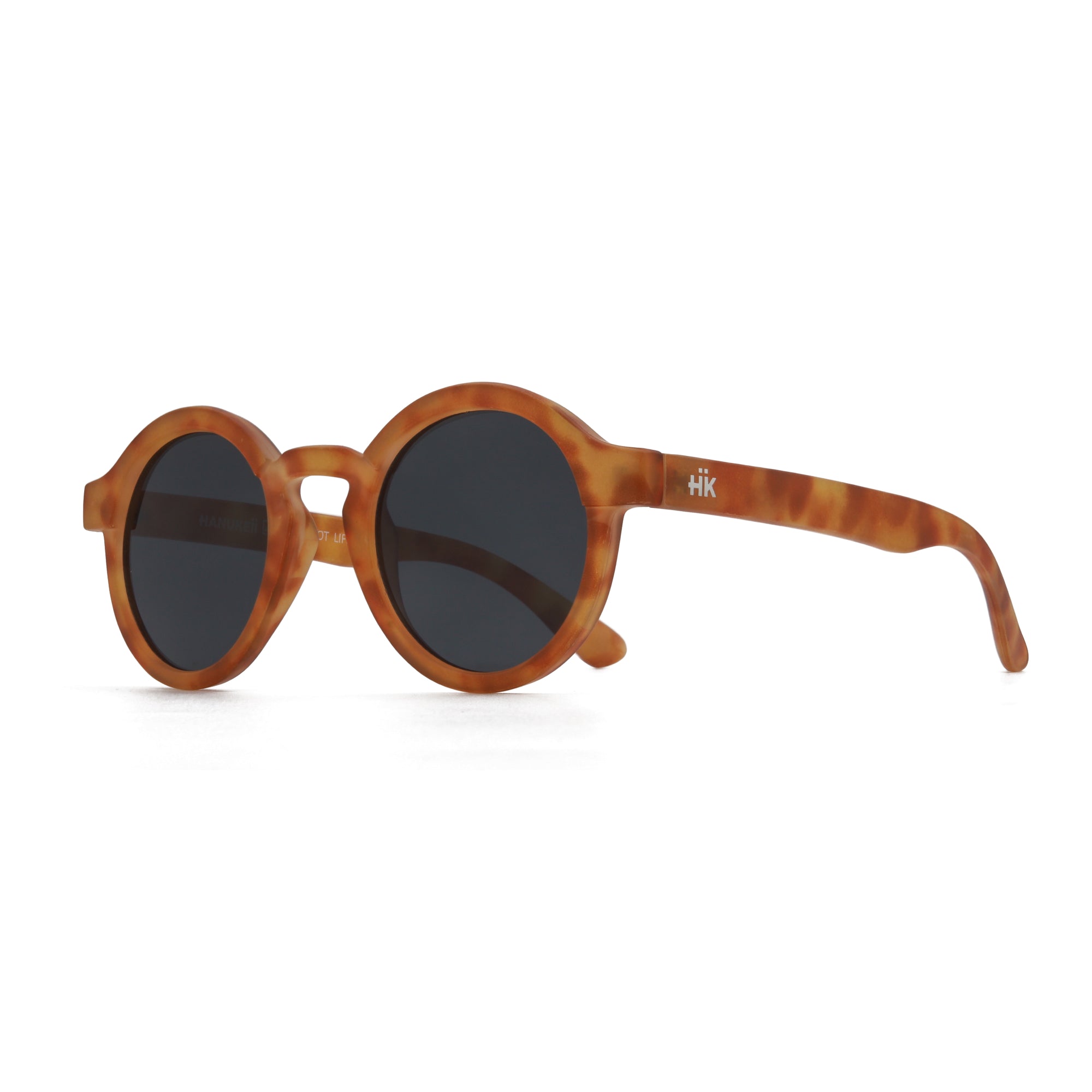
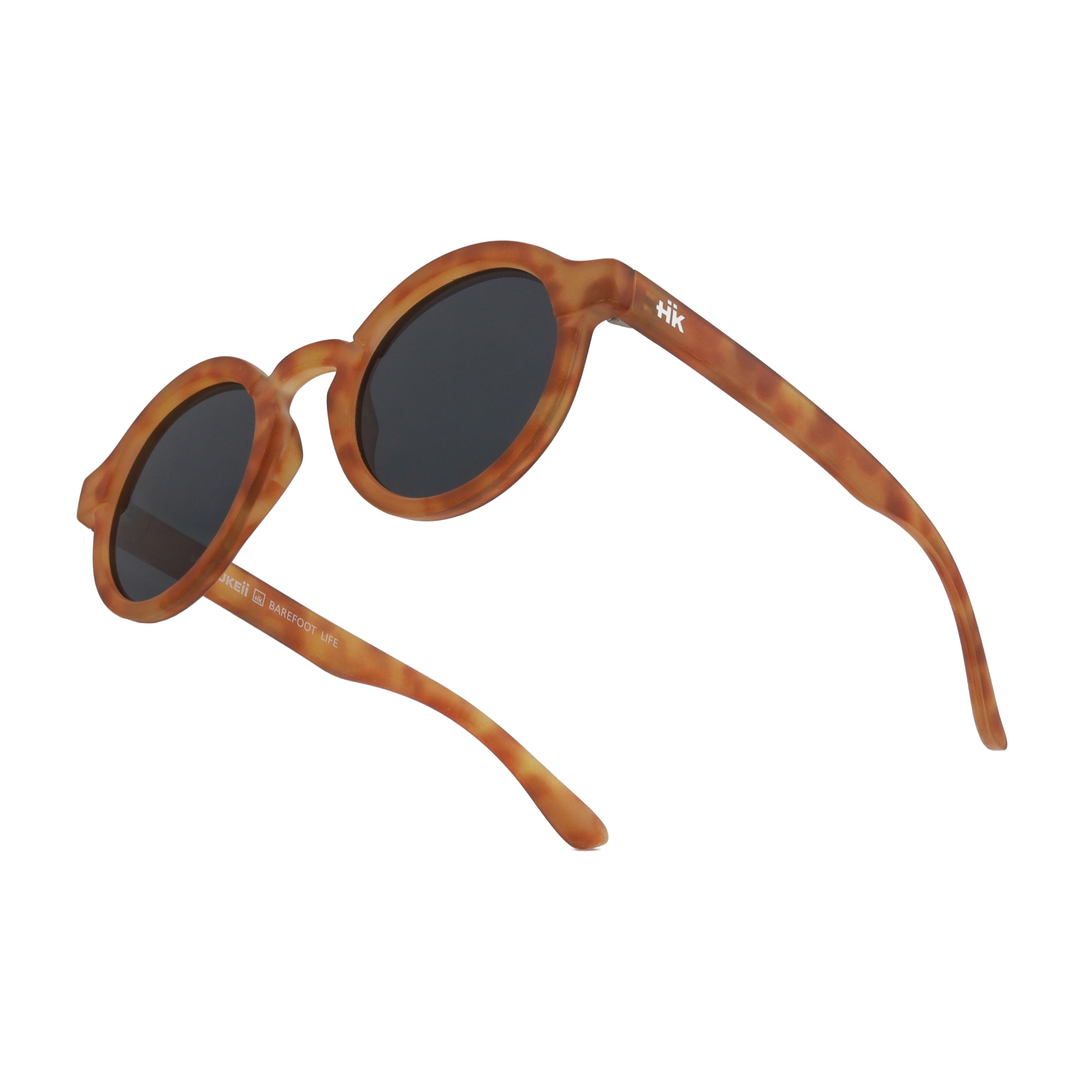
How to choose the perfect men's sunglasses according to your face and style
Do you want to buy new sunglasses but can't find the ideal model? Maybe you've seen a frame you love, but when you try it on, it doesn't flatter you as you expected. Or maybe you're looking for glasses that protect well, fit your style, and also naturally enhance your features.
Choosing good men's sunglasses is not just about picking the design that catches your eye the most. The shape of your face, the size of your head, hair color, skin tone, how you will use them, and your personal style influence much more than it seems.
The same pair of glasses can look spectacular on one person and not work the same on another. Not because the design is better or worse, but because every face has its own proportions. That's why, before choosing, it's worth understanding what type of frame can help balance your features, add character, and complement your style.
In this guide, we tell you how to choose sunglasses according to your face shape, hair color, and the style you want to project. A simple, practical guide designed to help you find glasses that not only you like but that really flatter you.
Why not all sunglasses flatter equally
Surely it has happened to you: you see glasses in a photo, on another person, or in an online store and they seem perfect. But when you try them on, something doesn't fit. They might be too big, too small, too straight, too round, or simply not suit your features well.
This happens because sunglasses are placed in one of the most expressive areas of the face. They are not a secondary accessory. They frame the eyes, change the proportion of the face, and can completely alter the overall look.
The key is to find balance. If your face has rounded lines, glasses with structure can add definition. If you have very sharp features, a softer frame can balance them out. If your face is long, glasses with more presence can compensate for the verticality. If you have an oval face, you have more freedom to try different shapes.
It's not about following strict rules. Style also depends on attitude. But knowing these references helps you choose better and avoid purchases that end up forgotten in a drawer.
Perfect sunglasses according to face shape
The width of the forehead, the shape of the chin, the distance between cheekbones, the jawline, and the length of the face directly influence how glasses look. That’s why, before talking about colors or trends, it’s best to start with the shape of the face.
These are the most common references for choosing men’s sunglasses according to face shape.
Sunglasses for round faces
Round faces usually have soft lines, prominent cheekbones, and an overall more circular appearance. For this type of face, the ideal is to look for frames that add structure and help visually elongate the face.
The most flattering glasses tend to be square, rectangular, or with slightly angular lines. This type of design creates contrast with the natural curves of the face and provides a more balanced feel.
It’s best to avoid glasses that are too round or very small, as they can emphasize the roundness of the face even more. Be cautious with some oversized models, especially if they are very tall or too wide, as they can throw off the overall balance.
For a round face, sunglasses with straight lines, a defined bridge, and medium-sized frames are usually a safe bet.
Sunglasses for square faces
Square faces are characterized by a strong jawline, broad forehead, and quite defined lines. These faces have a strong presence but can also have features that seem harsh if combined with overly angular frames.
In these cases, rounded, oval, or aviator-style glasses usually work very well. They help soften the straight lines of the face and provide a more natural balance.
It’s advisable to avoid overly square or very rigid frames, as they can accentuate the horizontal line of the jaw and make the face appear harsher. A frame with soft curves or a lighter structure can give better results.
If you have a square face and want easy-to-wear glasses, try rounded designs, aviators, or slightly oval shapes.
Sunglasses for heart-shaped faces
Heart-shaped faces usually have a wider forehead, prominent cheekbones, and a narrower chin. In this case, the goal is to balance the difference between the upper and lower parts of the face.
Lightweight, balanced frames that are not too heavy work well. Rounded designs, thin-framed glasses, or shapes that don’t add too much visual weight to the upper area can also be flattering.
It's best to avoid very wide frames at the top if they make the forehead look even wider. Instead, glasses with soft lines and medium proportions can balance this type of face very well.
For heart-shaped faces, less is more: clean, comfortable frames with measured presence.
Sunglasses for oval faces
The oval face is usually considered the most versatile. It has balanced proportions, soft lines, and a harmonious relationship between length and width. If you have this type of face, you can try many different styles.
Square, round, aviator, rectangular, sporty glasses, or even some bolder frames can work well. In this case, the choice depends more on personal style and face size than on the need to correct a specific proportion.
That said, if your oval face is very long, a slightly larger frame can suit you well because it helps to visually "shorten" the length of the face. Too small glasses, on the other hand, can make the face look longer.
If you have an oval face, take advantage of that versatility. You can choose classic everyday glasses, sporty ones for outdoor plans, or a more defined design to add character.

Ideal sunglasses according to your hair color
Once you know the frame shape that best fits your face, it's time to choose the color. Here, hair tone, skin tone, and the natural contrast of your features come into play.
There is no single rule, but there are some combinations that tend to work especially well.
Sunglasses for black or dark hair
If you have black, dark brown, or very dark hair, you can afford bold frames. The natural contrast of your face usually pairs well with intense colors, dark frames, and designs with presence.
Black, dark brown, green, tortoiseshell, burgundy, metallic, or even colored lenses can work very well. If you're looking for a classic style, a black or tortoiseshell frame is always a safe choice. If you want something more modern, you can try blue, green, or mirrored lenses.
Bright colors can also bring light to the face and add a more casual touch to the look. On the other hand, some pastel tones can lose impact if they don't match the skin tone well.
Sunglasses for blonde or light brown hair
For blonde, light brown, or honey tones, warm frames usually work very well. Tortoiseshell, light brown, gold, bronze, beige, olive green, or honey tones can bring harmony without hardening the face too much.
You can also use dark frames if you want a stronger contrast, but the design shouldn’t be too heavy. Black glasses can look great, but if the frame is excessively thick, it can overpower the face.
Colored lenses can also be a good option, especially if you want to add a fresher or summery touch to the look.
Sunglasses for red hair
Red hair pairs very well with warm, natural, and outdoor-inspired tones. Tortoiseshell, brown, green, gold, honey, or even some transparent frames can be very flattering.
Too-cool colors can create an interesting contrast but aren’t always the easiest to wear. If you want a natural result, earth tones are usually a great choice.
Sunglasses for gray or white hair
Gray or white hair allows for a lot of contrast play. Black, gray, blue, burgundy, metallic, or white frames can work very well. Intense colors can also bring energy and modernity to the face.
In these cases, it’s best to avoid glasses that dull the overall look too much. A frame with some contrast can help define the gaze and add more presence.
Sunglasses according to your personal style
Besides face shape and hair color, your way of dressing also matters. Glasses should fit your real life. It doesn’t make sense to choose a design that’s too formal if you mostly dress sportily, nor very technical glasses if you’re aiming for a more urban and elegant style.
Classic style
If you like to dress soberly, with timeless garments and neutral colors, black, brown, tortoiseshell, aviator, or rectangular frames will probably suit you well. These glasses are easy to match and don’t depend too much on trends.
Urban style
For a more urban style, square frames, acetate glasses, models with dark lenses, or more defined designs can work well. These glasses add presence and pair well with t-shirts, jackets, jeans, sweatshirts, or minimalist clothing.
Outdoor or adventurous style
If you spend a lot of time outdoors, travel, play sports, or prefer a look more connected to nature, look for comfortable, durable, and easy-to-wear glasses. Lightweight frames, polarized lenses, earth tones, greens, blues, or sporty finishes can fit very well.
Bolder style
If you like to stand out, you can play with colors, mirrored lenses, translucent frames, or less conventional shapes. The key is that the glasses feel consistent with you. A bold frame works when worn naturally.
Why choose polarized sunglasses
Polarized sunglasses are a great option for those who spend time outdoors. This type of lens helps reduce reflections caused by surfaces like water, roads, snow, sand, or glass.
This can greatly improve visual comfort, especially when driving, walking near the sea, playing sports, or spending many hours outdoors. It’s not just about darkening vision but reducing some of the glare that can tire the eyes.
If you’re looking for glasses for daily use, travel, beach, mountain, or driving, polarized lenses can be a very smart choice.
Common mistakes when choosing men's sunglasses
- Choosing only for fashion: a pair of glasses can be trendy but not flattering for your face.
- Buying a disproportionate frame: too big or too small can break the balance of the face.
- Not checking UV protection: nice glasses should protect your eyes well.
- Confusing dark lenses with protection: darkness doesn’t guarantee UV protection.
- Not considering real use: you don’t need the same glasses for driving, sports, traveling, or daily wear.
- Ignoring comfort: if glasses pinch or slip, you’ll end up leaving them at home.
How to know if glasses suit you
A well-chosen pair of glasses should be centered on the face, properly cover the eyes, and not stick out too much on the sides. They also shouldn’t rest on the cheeks when smiling or press on the temples.
The top of the frame should follow the eyebrow line without completely covering it. The bridge should rest comfortably on the nose. And the width of the glasses should be proportional to the face.
Beyond the rules, there is a simple test: if you look natural wearing them and don’t have to convince yourself too much, they probably suit you.
Frequently Asked Questions About Men's Sunglasses
What sunglasses suit a round face best?
Round faces usually look better with square, rectangular, or angular glasses because they add structure and help visually lengthen the face.
What sunglasses suit a square face best?
Square faces usually look better with rounded, oval, or aviator-style glasses, as they soften the strong lines of the jaw and forehead.
What sunglasses are best for an oval face?
The oval face is very versatile and suits many frame shapes. The most important thing is to choose a frame proportional to the face size and consistent with personal style.
What color sunglasses suit dark hair?
Dark hair usually suits black, dark brown, tortoiseshell, green, burgundy, metallic frames, and colors with presence. Intense-toned lenses can also work well.
What color sunglasses suit blonde hair?
Blonde or light brown hair usually suits warm tones like tortoiseshell, honey, light brown, gold, bronze, olive green, or soft frames that maintain facial harmony.
Are polarized sunglasses worth it?
Yes, especially if you drive, spend time near water, play sports, or are often outdoors. Polarized lenses help reduce glare and improve visual comfort.
Where to buy men's sunglasses?
You can find different models of men's sunglasses at The Indian Face, with designs made for city, beach, mountain, road, travel, and daily use.
Conclusion
Finding the perfect sunglasses is not a matter of luck. It’s about understanding your face, your style, and how you will use them. The right frame can balance your features, add personality, and become one of those accessories you wear again and again.
If you have a round face, look for structure. If you have a square face, soften it with curved shapes. If your face is oval, take advantage of its versatility. If you have a heart-shaped face, choose light and balanced frames. Then, adjust the color according to your hair, skin, and style of dress.
Sunglasses are not just a finishing touch. They are a way to protect your eyes and express who you are when you go out.
Now that you know what your ideal design might be, discover the collection of The Indian Face sunglasses and find the model that suits you best.