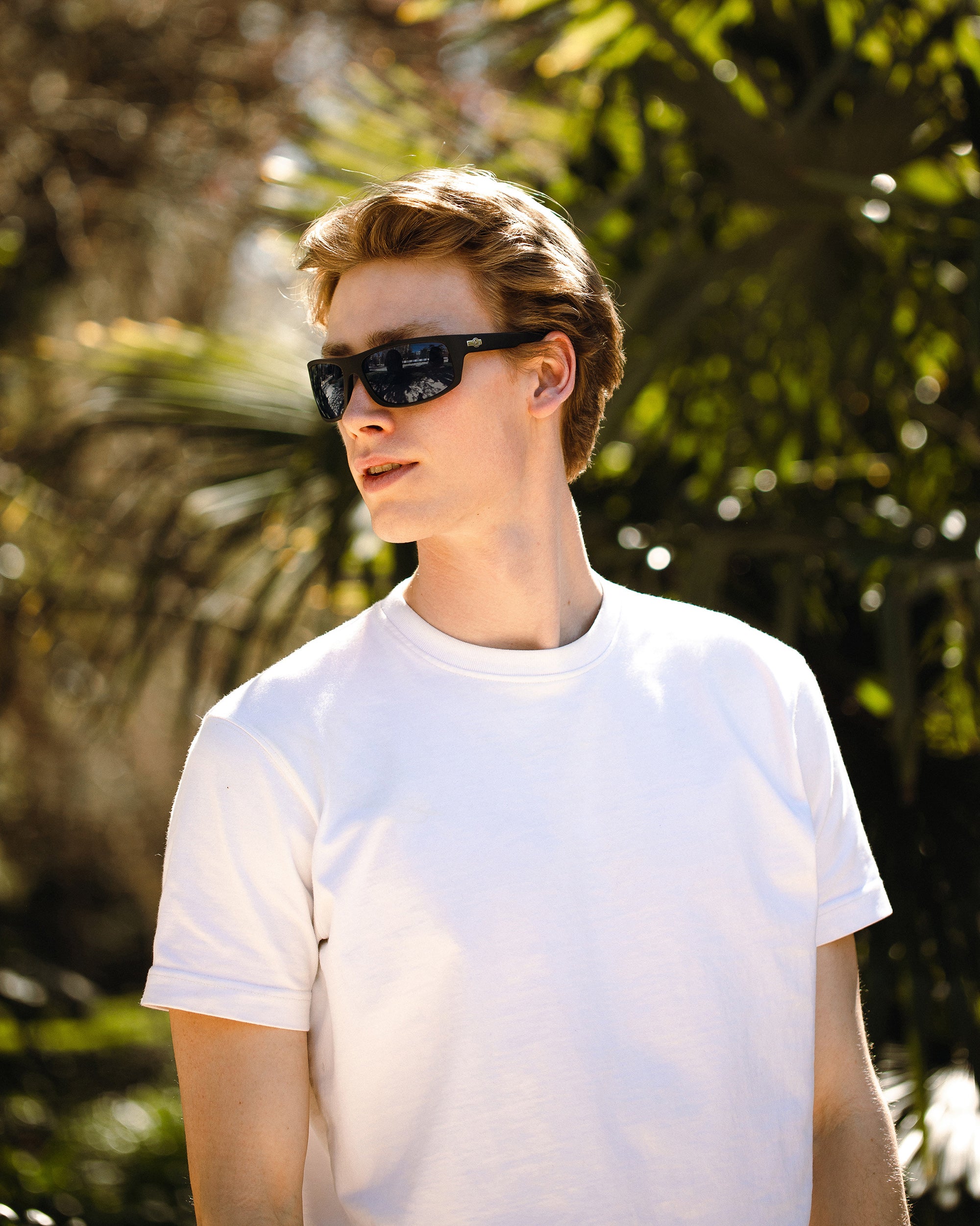
The evolution of men's sunglasses: from aviators to today's sporty style
Men's sunglasses have gone from being a purely functional element to becoming one of the most important accessories in men's fashion. They were born to protect the eyes from light, wind, and glare, but over time they transformed into a way to express personality, lifestyle, and attitude.
From the classic aviator models to today's sports sunglasses, the history of men's sunglasses is linked to aviation, cinema, music, sports, technology, and outdoor culture. Each era has left its own silhouette, material, and way of understanding what it means to wear sunglasses.
Today, men's sunglasses no longer adhere to a single aesthetic. There are classic, urban, sporty, minimalist, technical, and adventurous models. Some are designed to accompany an active lifestyle; others to add character to a daily look. But they all share the same idea: protecting the eyes and being part of a way of living.
Aviators: the origin of a masculine classic
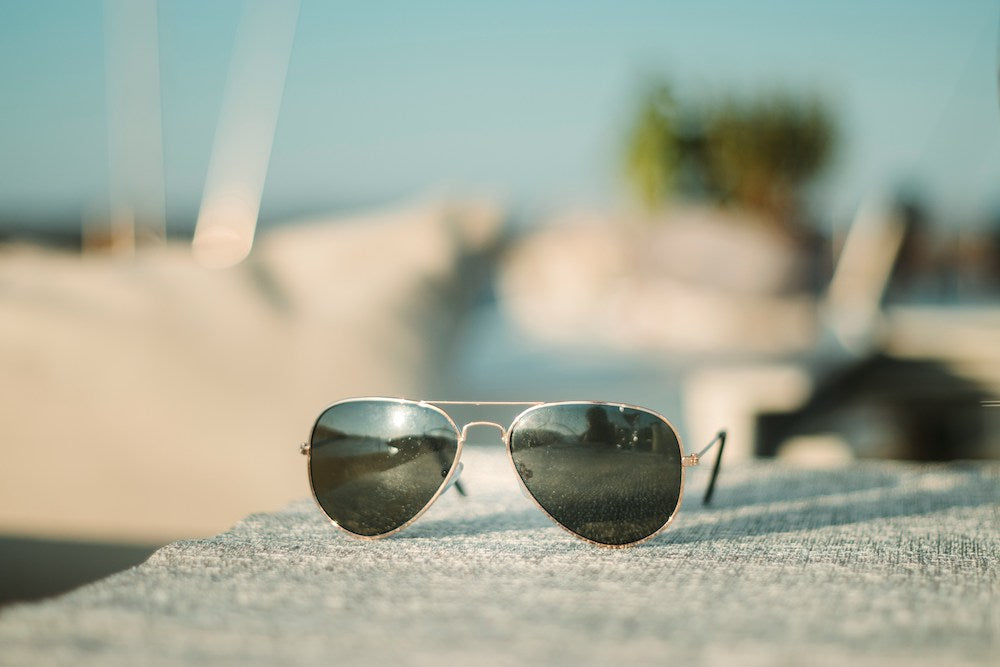
One of the major starting points in the evolution of men's sunglasses was in the 1930s, when aviator models appeared. They were originally designed for pilots, with the goal of protecting their eyes from intense light at high altitudes and improving visual comfort during flight.
Their design was functional: wide lenses, a thin metal frame, and a shape capable of well covering the eye area. However, what began as a technical solution ended up becoming a symbol of masculine style. Aviator glasses conveyed adventure, precision, character, and a certain idea of freedom associated with the world of aviation.

Over the decades, aviator sunglasses have established themselves as one of the most recognizable models in history. They have been reinterpreted in different materials, sizes, and colors, but their essence remains the same: a lightweight frame, a clean silhouette, and a presence that works both in urban settings and in travel, road, or outdoor environments.
Its success proves something important: when a design arises from a real need and is well executed, it can survive trends. That is why aviators remain a reference within men's sunglasses.
The Wayfarer and the arrival of the rebellious style
In the 1950s, men's sunglasses took an important turn with the appearance of thicker frames and more defined shapes. Against the metallic lightness of aviators, more solid, square, and expressive designs arrived. Glasses stopped being associated solely with function and began to be part of the cultural language of a generation.
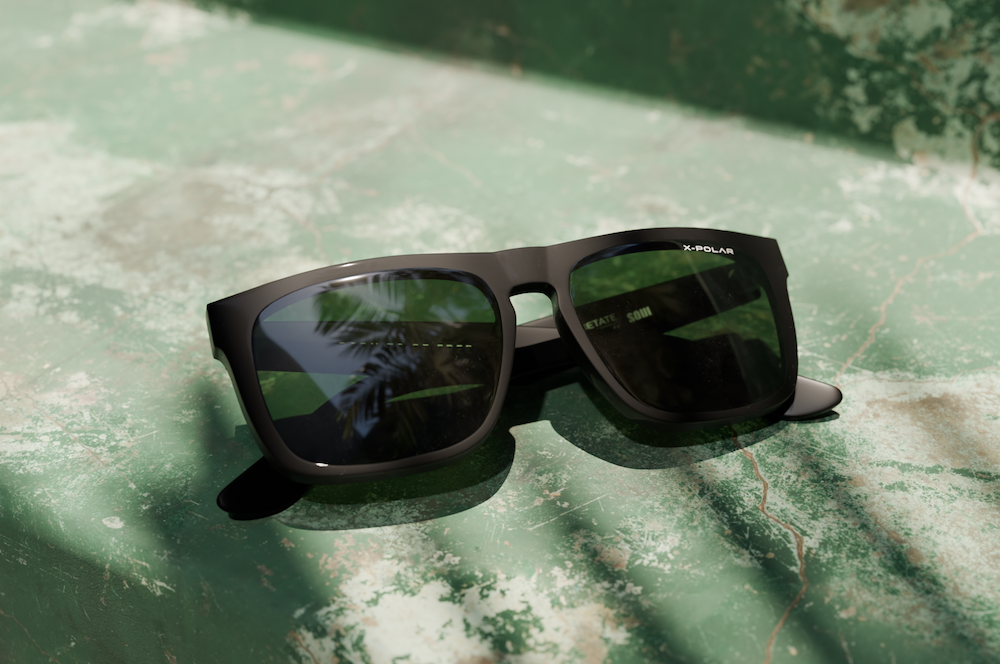
The Wayfarer became one of the great symbols of this era. Its more robust shape and acetate frame gave off a youthful, rebellious, and modern vibe. Film icons, musicians, and artists helped turn this type of glasses into a symbol of personality.
Since then, square-style sunglasses have experienced various comebacks. Sometimes more classic, other times bolder, but always with the ability to add presence to the face. These are glasses that do not go unnoticed and fit very well with a relaxed, urban, and confident masculine style.
From cinema to the street: glasses as personal identity
For much of the 20th century, cinema played a huge role in popularizing men's sunglasses. Actors, musicians, and public figures made certain models part of their identity. Sunglasses became more than just protection: they were mystery, attitude, elegance, rebellion, or sophistication.
At that time, choosing glasses was no longer just a practical matter. It was an aesthetic decision. A man could choose aviator glasses to convey a classic and adventurous air, black frames for a more urban look to reinforce a serious image, or bolder designs to stand out.
This connection between glasses and personality remains very present today. Men's sunglasses act as one of those small accessories that can completely change the perception of a look. They don't need much explanation: they accompany the face, protect the eyes, and say something about the wearer.
The sports revolution: when function returns to the center stage
With the growth of outdoor sports and outdoor culture, men’s sunglasses also began to evolve toward a more technical field. It was no longer enough for sunglasses to just look good. For running, cycling, skiing, mountain activities, or water sports, they needed to be lightweight, durable, stable, and comfortable during movement.
This is how sports sunglasses were born and established, designed to meet specific needs: protection against wind, glare reduction, better contrast, secure fit, good side coverage, and materials capable of withstanding intense use.
At this point, sunglasses regain part of their functional origin but with a new aesthetic. It’s no longer just about protecting the eyes but supporting performance. In cycling, they help read the road better. In running, they reduce visual fatigue. In the mountains, they protect against sudden changes in light, dust, or wind. In water sports, polarized lenses can help reduce reflections on the surface.
This evolution has led many men’s sunglasses to combine two worlds today: everyday style and sports functionality.
Polarized lenses, UV protection, and new materials
Technology has been key in the evolution of sunglasses. Today’s lenses can offer UV protection, glare reduction, increased impact resistance, anti-reflective coatings, or enhanced contrast. All of this has made sunglasses more comfortable, safer, and better suited for different uses.
Polarized lenses are one of the most well-known advances. Their function is to reduce reflections caused by surfaces like water, snow, asphalt, or sand. This improves visual comfort and allows for clearer vision in very bright conditions. That’s why they are especially useful for outdoor activities, driving, water sports, mountain activities, or bright sunny days.
Materials have also changed a lot. Current frames can be lighter and more durable than those from previous decades. Technical materials, polycarbonate, higher-quality acetates, or lightweight metals have made it possible to create more comfortable glasses for prolonged use.
This technical improvement has also influenced design. Today there are men's sunglasses with more wraparound shapes, lighter frames, wider lenses, minimalist designs, or hybrid styles between urban and sports.
Current designs: minimalism, sports, and outdoor life
Currently, men's fashion experiences an interesting coexistence between classic and technical styles. Aviators, square frames, and timeless designs still work, but at the same time, glasses inspired by sports, mountains, surfing, cycling, and outdoor life have gained prominence.
This makes sense. More and more men are looking for versatile accessories: pieces that work for traveling, driving, training, walking around the city, or spending a weekend away. Sunglasses no longer belong only to the urban wardrobe or just the sports gear. Often, they are in between both worlds.
Current designs usually favor clean lines, easy-to-match colors, comfortable materials, and an aesthetic that can accompany different moments of the day. A good pair of men's sunglasses should protect but also be easy to wear. They should match a t-shirt, a technical jacket, a casual shirt, or a travel backpack.
Sports sunglasses: from competition to everyday life
The sports sunglasses are no longer exclusive to athletes or competitions. Today, they are part of the lifestyle of many people who move between sports, travel, nature, and the city. Their technical aesthetic is no longer seen only as performance gear but as a way to express an active life.
In this type of glasses, the priority remains functionality: good grip, eye protection, lightness, durability, and comfortable vision. But the design has evolved so they can also be worn outside of sports. This balance between utility and style explains why they are increasingly present in everyday life.

For a brand like The Indian Face, this evolution naturally fits a way of understanding the product: glasses designed to accompany movement, travel, sports, mountains, coast, and outdoor moments. Not as an isolated accessory, but as part of a life that happens outside.
How to choose men's sunglasses according to your lifestyle
Choosing men's sunglasses shouldn’t depend only on the frame shape. It’s also important to think about the actual use you will give them. Someone who needs glasses for daily driving doesn’t need the same as someone who wants them for running, beach, mountain, travel, or urban use.
If you want a classic and versatile style, aviator silhouettes or square frames can work very well. If you prefer a sportier look, it’s best to choose lightweight glasses with good coverage and a comfortable fit. If you plan to use them near water, snow, or highly reflective surfaces, polarized glasses can be a great choice.
It's also important to consider face shape, frame size, lens color, and comfort. Glasses may look attractive at first glance, but if they are too heavy, slip, or don’t protect well from side light, they will end up being impractical.
Tips for choosing men's sunglasses
- Look for UV protection: aesthetics matter, but eye protection should always be a priority.
- Choose a shape that fits your face: not all frames flatter equally. Proportion is key.
- Think about the main use: city, driving, sports, beach, mountain, or travel.
- Value polarized lenses: especially if you plan to use them in areas with a lot of glare.
- Prioritize comfort: glasses that fit well are worn much more.
- Choose a design true to your style: good glasses should accompany you, not disguise you.
An ongoing evolution
The history of men's sunglasses is a journey through different ways of understanding masculinity, style, and outdoor life. Aviators represented adventure and precision. Plastic frames brought rebellion and personality. Sports glasses refocused on function, performance, and protection. And current designs blend all these elements into increasingly versatile pieces.
Today, men's sunglasses are a combination of protection, design, and personal expression. They can be classic, technical, urban, or adventurous. They can accompany you on a mountain route, a coastal road, a weekend getaway, or an ordinary day in the city.
The important thing is that they suit your way of moving. Because good sunglasses not only protect your eyes. They also become part of your way of being in the world.
Frequently asked questions about the evolution of men's sunglasses
What was the origin of men's sunglasses?
One of the most important origins is in the models created for pilots in the 1930s. Those glasses aimed to protect the eyes from intense light and glare but ended up becoming an icon of masculine style.
Why do aviator glasses remain popular?
Because they combine functionality, lightness, and a timeless aesthetic. Their design has changed little in essence but still works in very different contexts: driving, city, travel, or casual looks.
What did Wayfarer-style frames contribute?
They brought a younger, bolder, and rebellious aesthetic. Compared to classic metal frames, plastic frames offered more visual presence and became a cultural symbol linked to cinema, music, and urban fashion.
What technological advances have most influenced sunglasses?
Among the most important advances are polarized lenses, UV protection, lightweight and durable materials, anti-reflective coatings, impact-resistant lenses, and ergonomic designs for sports.
Which sunglasses are best for men?
It depends on the use and personal style. For a classic look, aviators or square frames work very well. For sports and outdoor life, it's best to look for lightweight, comfortable, durable glasses with good sun protection.
What should I consider when buying branded sunglasses?
It's important to pay attention to lens quality, UV protection, fit, materials, and product authenticity. A good brand should offer design, comfort, and real protection, not just a recognizable look.
Are sports glasses also suitable for dressing up?
Yes. Many current sports glasses have a versatile design that allows them to be used both for training and for travel, city life, or casual plans. The key is to choose a model that balances functionality and style.