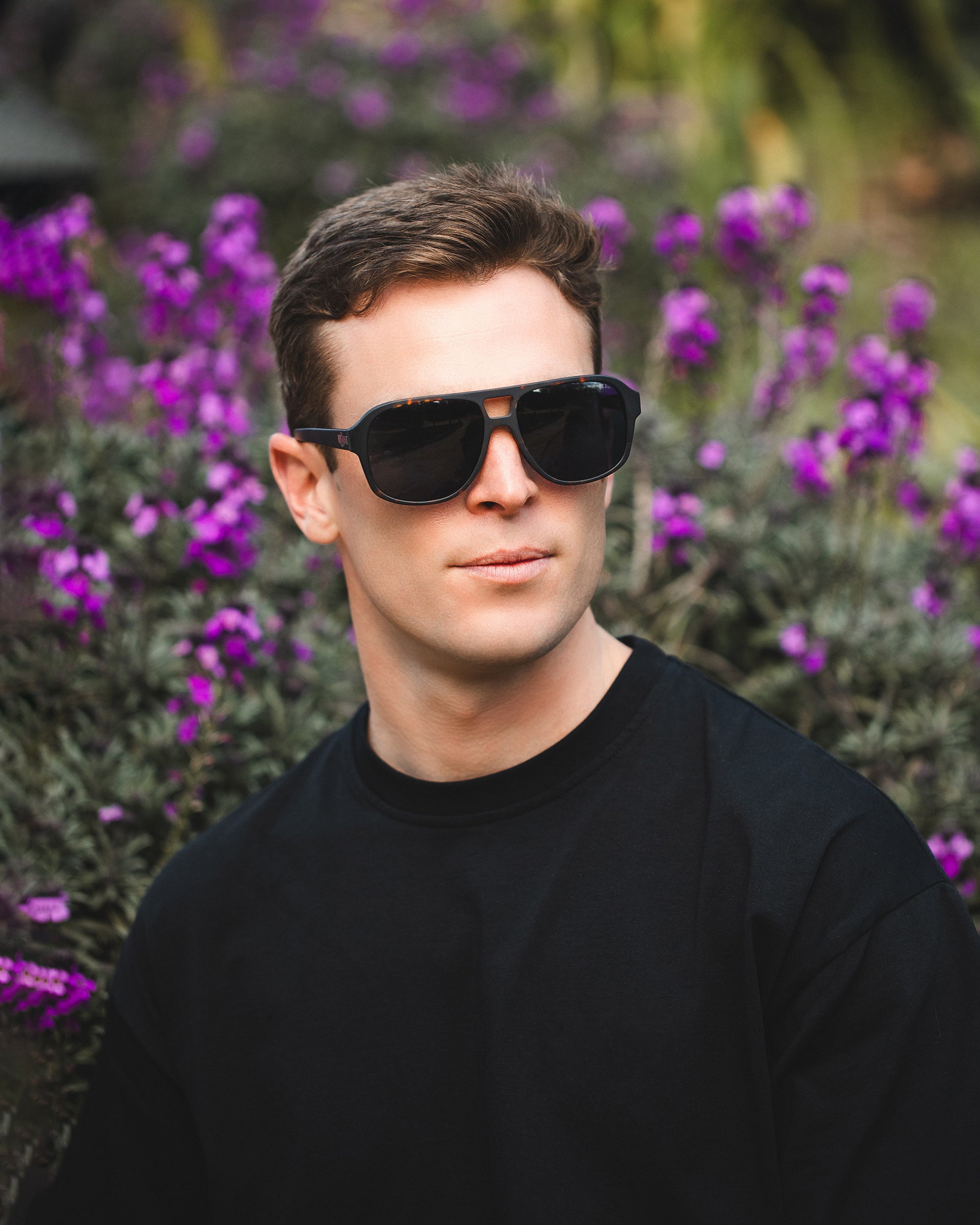
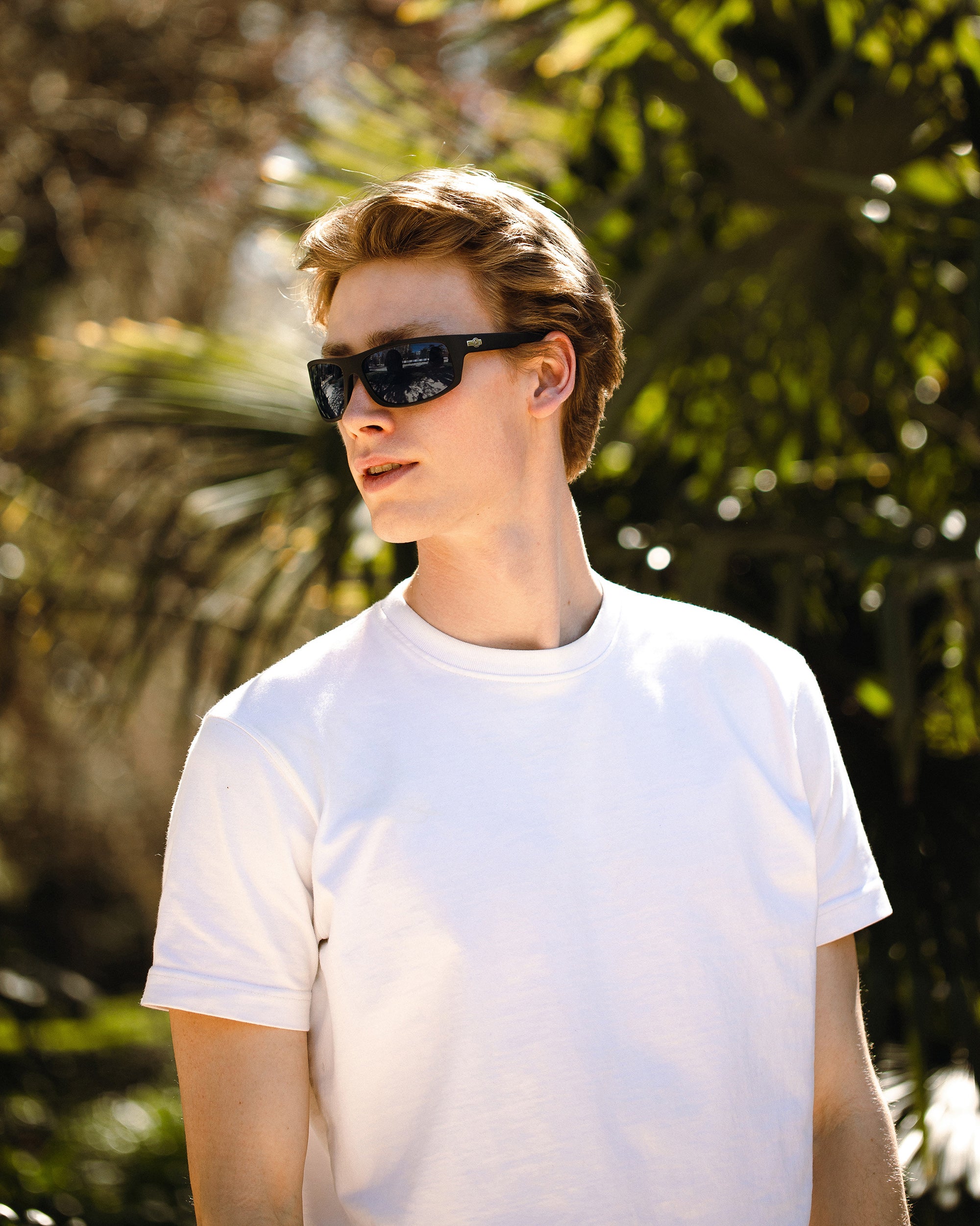
Sports sunglasses: protection, comfort, and performance outdoors
Sports sunglasses are much more than an accessory to complete a look. When you train outdoors, your eyes are exposed to intense light, reflections, wind, dust, terrain changes, and conditions that can directly affect your comfort and concentration. That’s why choosing good sports glasses is not only about aesthetics but also about eye protection, safety, and how you perceive your surroundings while moving.
In sports like cycling, running, trail running, skiing, hiking, surfing, paddle tennis, or water sports, vision plays a fundamental role. Seeing well helps you anticipate obstacles, better read the terrain, react faster, and reduce visual fatigue. Suitable sports glasses can help you enjoy each outing more and keep your eyes protected for longer.
In this guide, we review what sports sunglasses are for, what features to consider, what types of lenses exist, and how to choose the most suitable model depending on the sport you practice.
Why use sunglasses for sports
The main function of sports sunglasses is to protect the eyes from solar radiation and external elements. However, their usefulness goes far beyond that. When you practice outdoor sports, your eyes are constantly working. They not only receive direct sunlight but also have to adapt to shadows, reflections, changes in speed, uneven surfaces, and small elements that may appear on the path.
Sunglasses designed for athletes help maintain more stable and comfortable vision. They reduce glare, protect against wind and dust, improve visual perception, and prevent you from squinting for long periods. That gesture, although it seems small, can end up causing tension and fatigue when you train for a long time.
Additionally, well-fitted sports glasses stay in place during movement. This is key in activities involving impact, changes in pace or speed, such as running, cycling, skiing down a slope, or hiking in the mountains.
Main benefits of sports glasses
- Protection against UV rays: good sports sunglasses should offer protection against ultraviolet radiation. This protection is essential to care for visual health during prolonged outdoor activities.
- Glare reduction: they help reduce reflections caused by surfaces such as water, snow, asphalt, sand, or light-colored rocks. This allows for more comfortable and safer vision.
- Greater visual comfort: by filtering intense light, the eyes work with less effort. This can help reduce visual fatigue during long training sessions or on very bright days.
- Better terrain reading: suitable lenses can improve contrast and help you better distinguish obstacles, uneven ground, curves, shadows, or surface changes.
- Protection against wind and particles: sports glasses act as a barrier against dust, insects, branches, sand, splashes, or frontal air.
- Stability during movement: unlike urban-use glasses, sports glasses are designed to stay firmly in place while you run, pedal, ski, or train.
- Versatility: many sports sunglasses can be used both for training and for traveling, walking, driving, or enjoying outdoor activities.
Features that good sports sunglasses should have
Not all sunglasses are suitable for sports. Glasses designed for daily use can protect from light but don’t always offer the fit, lightness, coverage, or durability required for physical activity. That’s why it’s important to consider several aspects before choosing.
UV400 protection
UV400 protection is one of the most important features. This type of protection blocks UVA and UVB rays, helping to protect the eyes from ultraviolet radiation. In outdoor sports, especially in the mountains, snow, beach, or long days of sun exposure, this should be essential.
Polarized lenses
Polarized lenses are very useful for reducing glare caused by reflective surfaces. They are especially recommended for activities near water, snow, asphalt, or areas with a lot of light. That’s why polarized sports sunglasses are a very interesting option for cycling, running, water sports, fishing, sailing, skiing, or driving.
Lightweight and durable frame
Good sports glasses should be lightweight but also durable. The materials must withstand frequent use, sweat, temperature changes, and the small impacts typical of the activity. Lightness is important because heavy glasses can be uncomfortable during long training sessions.
Ergonomic fit
Fit is key. Glasses should stay stable without being too tight. A comfortable nose bridge, well-designed temples, and a wraparound shape can make the difference between glasses that accompany you and glasses that annoy you. In sports, if you have to constantly readjust your glasses, the product is not working as it should.
Good side coverage
Side coverage helps protect the eyes from light coming in from the sides, wind, dust, or small particles. This is especially useful in cycling, trail running, mountain sports, and snow sports.
Ventilation
Ventilation helps reduce fogging. In intense activities, body heat and humidity can cause lenses to fog up. That’s why sports glasses should allow some airflow without losing protection.
Which glasses to choose according to the sport
Each sport has its own needs. Running in the city is not the same as trail running in the mountains, road cycling, surfing, or skiing on a sunny day. The key is to choose sports sunglasses that suit the environment where you’ll use them most.
Sunglasses for cycling
In cycling, protection against wind, insects, dust, and glare is essential. Glasses should offer good coverage, be lightweight, and stay secure under the helmet. It’s also important that they allow a wide field of vision to monitor the road, sides, and changes in light.
Sunglasses for running
Running sunglasses should be lightweight, comfortable, and stable. When running, every bounce counts. That’s why it’s important they don’t slip with sweat and don’t put pressure on the nose or temples. For long training sessions, visual comfort and weight are two decisive factors.
Sunglasses for trail running and mountain sports
In the mountains, the light changes constantly. You can go from a shaded area to a very exposed ridge in just a few minutes. Also, the terrain demands continuous attention. Good trail or hiking glasses should offer UV protection, good contrast, side coverage, and stability.
Sunglasses for water sports
In sports like surfing, sailing, kayaking, paddle surfing, or fishing, water reflections can be very intense. In these cases, polarized lenses can greatly help reduce glare and improve visual comfort. It is also advisable to look for glasses that are durable and fit well.
Ski and snowboard goggles
Snow reflects a lot of light, so visual protection is especially important. For snow, in addition to sports sunglasses, it is often recommended to use specific goggles. You can see our collection of ski goggles and masks.
Sunglasses for padel, tennis, and racket sports
In racket sports, quick and precise vision is essential. Glasses must be light, not move during lateral movements, and allow you to follow the ball without discomfort. They also help reduce glare on outdoor courts.
How to choose the best sunglasses for athletes
Choosing the right sports glasses is not just about picking a design you like. The important thing is to think about the actual use you will give them. Before deciding, it’s worth considering the main sport, intensity of use, usual lighting conditions, and the level of protection you need.
- Define the main use: it’s not the same to look for glasses for daily running as for skiing, cycling, or water sports.
- Prioritize UV protection: make sure the lenses offer adequate protection against sun rays.
- Value polarized lenses: if you practice sports in areas with many reflections, they can be an excellent choice.
- Check the fit: the glasses should stay stable without squeezing or moving during activity.
- Look for lightness: the longer you wear them, the more important comfort becomes.
- Consider coverage: a wraparound frame can better protect against wind, dust, and side light.
- Choose a style you can also wear outside of sports: if the glasses are comfortable and you like them, you’ll end up wearing them more.
The Indian Face sports glasses
At The Indian Face, we understand outdoor sports as a way of living connected with movement, nature, and adventure. That’s why our sports sunglasses are designed to accompany you in different moments: training, getaways, trips, mountain days, beach, road, or city.
We look for comfortable, durable, and easy-to-wear glasses. Models that protect your eyes, fit an active lifestyle, and can accompany you both on a sports outing and in everyday life. Because good glasses shouldn’t be kept stored waiting for a specific occasion. They should be part of your regular gear.
If you practice outdoor sports, choose improvised routes, move between city and nature, or simply look for comfortable glasses to protect your eyes with style, you can explore our collections of sports glasses and sunglasses.
Frequently asked questions about sunglasses for athletes
What are sports sunglasses?
They are glasses designed to protect the eyes during outdoor activities. They usually offer UV protection, a good fit, lightness, durability, and a shape designed to stay stable during movement.
What are polarized sunglasses?
Polarized glasses incorporate a filter that helps reduce reflections from surfaces like water, snow, asphalt, or sand. This improves visual comfort in bright conditions.
Why is UV protection important?
Because ultraviolet radiation can affect eye health, especially when sun exposure is frequent or prolonged. In outdoor sports, UV protection is a basic feature.
Can I use sports glasses daily?
Yes. Many sports glasses are versatile and can also be used for walking, driving, traveling, or wearing in the city. The important thing is that the design is comfortable and suits your style.
What glasses are best for cycling?
For cycling, it is advisable to look for lightweight glasses with good coverage, wind protection, lenses with good visual clarity, and a stable fit compatible with a helmet.
What glasses are best for running?
For running, it is recommended to choose lightweight, comfortable glasses with a good grip that do not move with sweat. It is also important that they do not cause pressure during long workouts.
Are sports glasses suitable for water sports?
Yes, especially if they have polarized lenses and a good fit. In activities near water, glare reduction is very useful to improve visual comfort.
What is the difference between polarized and non-polarized lenses?
Polarized lenses reduce glare caused by horizontal reflections. Non-polarized lenses can protect from light but do not filter reflections in the same way.
How to care for sports sunglasses?
Clean them with a soft cloth, avoid placing them lens-down, and store them in a case when not in use. It is also advisable to avoid dry cleaning if they have sand or dust to prevent scratching the lens.
Where to buy sports sunglasses?
You can find a selection of sports sunglasses at The Indian Face. Explore our collection of sunglasses and choose the model that best fits your way of moving.
Conclusion
Sports sunglasses are an important part of outdoor gear. They protect the eyes, reduce glare, help improve visual comfort, and can make every workout or outing safer and more enjoyable. It's not just about wearing glasses, but wearing the right glasses for the use you will give them.
Whether running, cycling, hiking in the mountains, practicing water sports, skiing, or simply spending more time outdoors, a good pair of sports glasses can accompany you for a long time. Choose protection, comfort, and clear vision. Your eyes are also part of the adventure.