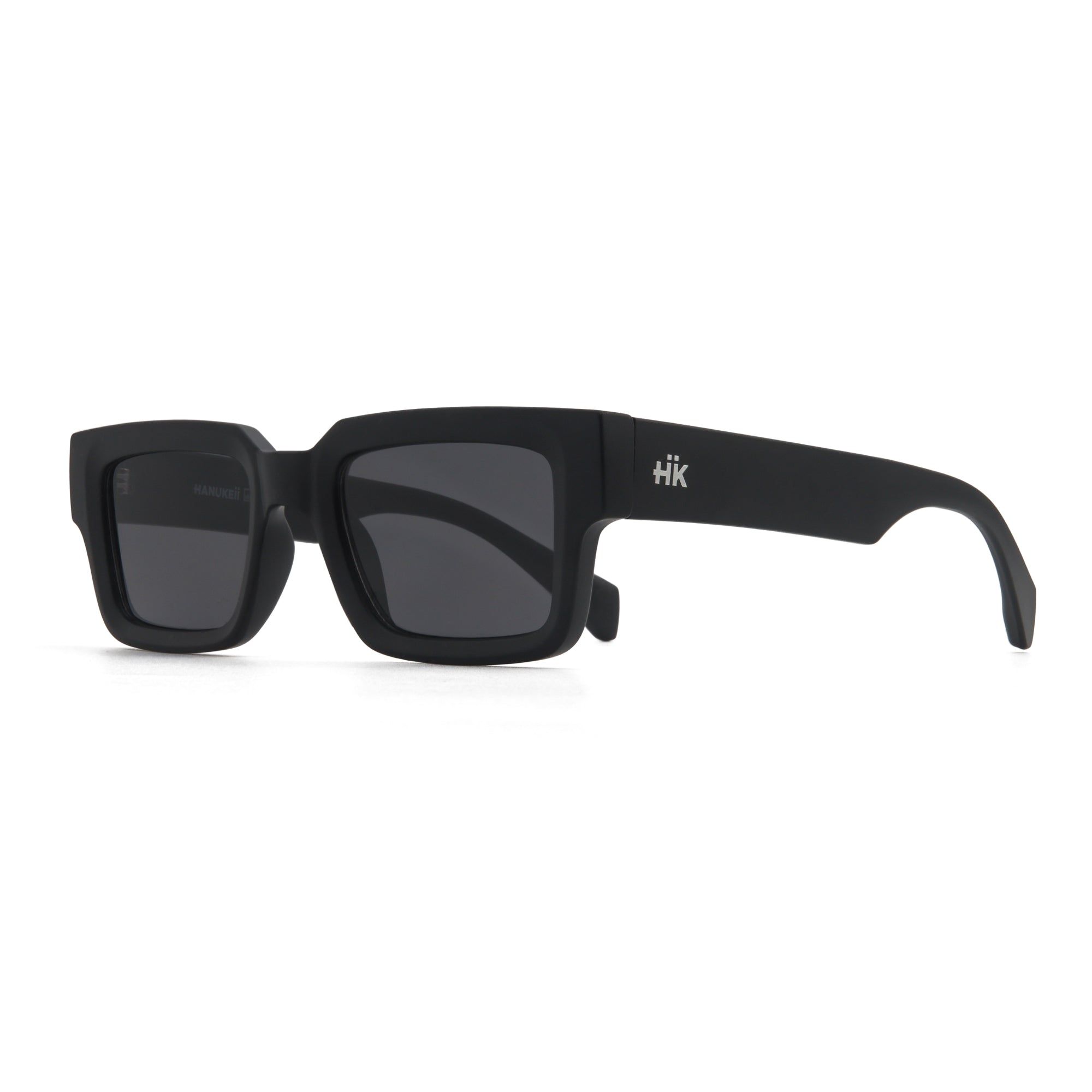
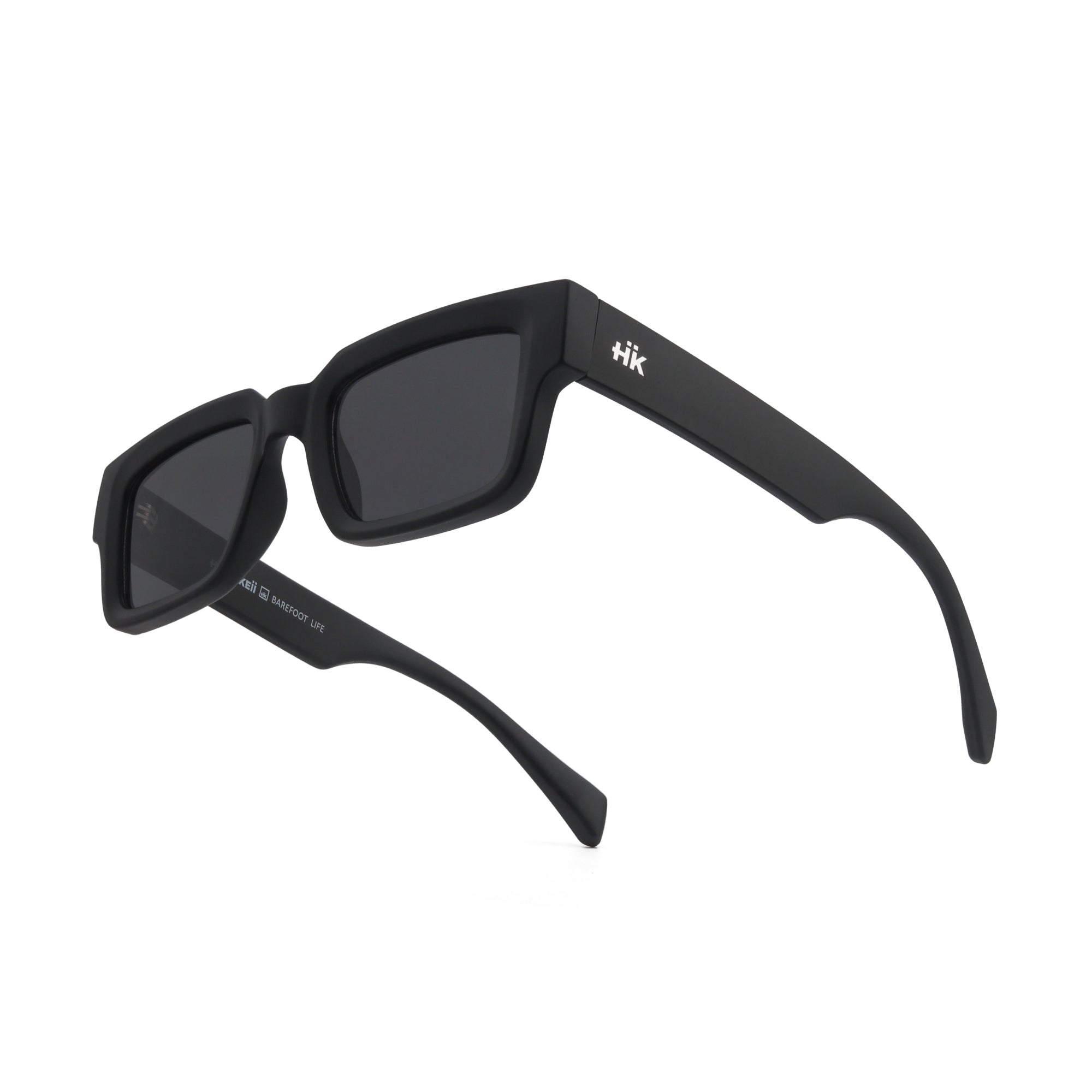
Unlike gloves, hats, or heavier coats, sunglasses are not an exclusively seasonal accessory. They don’t belong only to summer or beach days. They remain important during autumn and winter, both for visual protection and daily comfort.
During the cold months the temperature changes, but the light doesn’t disappear. There is still solar radiation, road reflections, wind, low humidity, clear days, mountain getaways, and in many cases, snow. All these scenarios can affect your vision if you’re not prepared.
Also, sunglasses are part of a way of dressing and moving. They protect but also complete a look. They accompany a route, a trip, a day of outdoor work, or a winter afternoon with low sun. The key is to choose glasses with good protection, an appropriate lens, and a comfortable frame to really wear them, not just to carry them for a while.
At The Indian Face we believe that good sunglasses can be enjoyed all year round, regardless of the season. That’s why we want to break the myth that sunglasses are only for summer. If you’re looking for models for city, road, beach, mountain, or travel, you can discover our collection of The Indian Face sunglasses.
Quick answer: Sunglasses are also important in autumn and winter because UV radiation is still present, clouds don’t block all exposure, wind can irritate the eyes, snow reflects a lot of light, and the low sun can make driving difficult. To protect yourself better, choose glasses with UV400 protection or 100% UVA/UVB blocking, an appropriate lens category, and a comfortable frame for prolonged use.
In this article you will see:
- Why sunglasses are not just for summer.
- What benefits they have during the cold months.
- How radiation, clouds, wind, and snow affect your eyes.
- Which sunglasses to choose for driving, sports, or spending time outdoors.
- What other accessories can help you protect yourself better in winter.
- Common mistakes when wearing sunglasses in autumn and winter.
- Frequently asked questions before choosing your sunglasses for all year round.

Good sunglasses don’t belong to a specific season: they belong to days of light, wind, road, and outdoors.
The important things about wearing sunglasses in winter in 5 points
- UV radiation remains present: even if it is cold, the sun’s rays continue reaching the surface.
- Clouds do not fully protect: they reduce visible light but do not eliminate all UV radiation.
- The wind can irritate the eyes: glasses help create a barrier against cold air, dust, and particles.
- Snow reflects a lot of light: in the mountains or ski resorts, eye protection is especially important.
- The low sun can be bothersome when driving: in winter, reflections and the sun’s angle can make vision difficult while driving.
Why sunglasses are also necessary in autumn and winter
The most common mistake is to associate sunglasses only with heat. However, temperature does not determine the need to protect the eyes. It can be cold and have very intense light. It can be cloudy and UV radiation can still exist. It can be winter and snow can reflect more light than a beach in mid-August.
During autumn and winter, very specific situations also arise: the low sun at dawn or dusk, wet roads reflecting light, cold wind, lower ambient humidity, snow, mountains, clear fog, and outdoor days where the eyes work harder than it seems.
That is why wearing sunglasses during the cold months is not an exaggeration. It is a simple gesture to improve visual comfort and better protect the eyes on days with light, wind, or reflections.
Note The Indian Face: The best glasses are not the ones you only use in summer. They are the ones you have on hand when you travel, when you drive with the sun low, when you go up the mountain, or when a cold day appears with clean and intense light.
1. Solar radiation: cold does not eliminate UV rays
Although it is no longer as hot, the sun’s rays still reach the earth. This means that ultraviolet radiation remains present during autumn and winter. We do not feel it the same because the temperature is lower, but that does not mean it has disappeared.
UV radiation can affect both the skin and the eyes. That is why suitable sunglasses must have UV400 protection or 100% blocking against UVA and UVB rays. The lens can be lighter or darker depending on the use, but protection must be present.
It is also worth remembering that a dark lens does not guarantee protection. What matters is not only how much the glasses darken, but what filter they incorporate. Quality glasses must protect, be comfortable, and adapt to the environment where you will use them.
Useful fact: UV protection does not depend on the lens looking very dark. To choose well, look for information like UV400 or 100% UVA/UVB blocking.
2. Clouds don’t protect as much as they seem to
Cloudy days often deceive. Since there’s less direct brightness, we feel like we don’t need protection. But clouds don’t completely block UV radiation. They can reduce visible light but don’t turn the outdoors into a sun-exposure-free environment.
Also, the diffuse light on a cloudy day can become uncomfortable after several hours. There’s no obvious sun bothering you directly, but your eyes still work. In those cases, glasses with the right lens can make walking, driving, or spending time outside more comfortable.
You won’t always need very dark lenses on cloudy days. Sometimes a lighter category or contrast lens can be enough. The important thing is not to confuse “it’s not hot” with “I don’t need protection.”
3. Cold, wind, and protection from the outdoors
In autumn and winter, temperatures drop and the wind is usually more present. Cold air can irritate the eyes, cause tearing, or increase dryness. If there is also dust, pollen, pollution, or suspended particles, discomfort can be greater.
Sunglasses also act as a small physical barrier. They don’t replace work safety glasses when the job requires them, but they do help in daily use: walks, hikes, biking, travel, mountains, winter beach, or outdoor days.
A comfortable frame with good coverage can reduce direct airflow and make the eyes feel more protected. This is especially appreciated when you spend many hours outside.

In winter, light on water, snow, or mountains can be very intense even if the temperature is low.
4. Winter sports: snow, ice, and reflections
If you practice winter sports, eye protection becomes even more important. Snow reflects a lot of light and can cause intense glare. This happens in skiing and snowboarding as well as mountain hikes, walks in snowy areas, or driving in winter resorts.
Sunglasses can help protect against glare, wind, and particles, although for skiing or snowboarding, a specific mask is usually more suitable. The choice depends on the activity, light intensity, and the level of protection you need.
In snow, UV protection is essential. The lens category, side coverage, and comfort also matter. Glasses that let in too much light from the sides may fall short in high mountains.
If your plan includes mountains, long routes, or winter getaways, a comfortable backpack or light luggage can help you carry a glasses case, water, sunscreen, an extra garment, and everything you need to spend the day outside.
5. Greater safety while driving
Driving in winter can be more demanding than it seems. The sun is usually lower for many hours of the day, which can cause direct glare. Reflections also appear on wet roads, glass, snow, puddles, or metallic surfaces.
In those conditions, good sunglasses can improve visual comfort. If they are also polarized, they can help reduce reflections on asphalt, windshields, and shiny surfaces. This does not replace caution while driving, but it can make daytime driving more comfortable.
For driving, it is advisable to choose a lens of the appropriate category. Category 3 lenses are usually very useful on sunny days, but category 4 lenses should not be used while driving because they darken too much and can reduce detail perception.
Useful fact: For driving in the sun, a polarized lens of the appropriate category can help a lot. For night driving, however, sunglasses should not be used.
6. Dry eyes in cold months
In winter, there is usually lower humidity in the air. Added to this are heating, wind, temperature changes, and dry environments. All of this can promote the sensation of dry eyes, irritation, or tearing.
Sunglasses can help reduce some of that exposure to cold air and wind. They are not a medical treatment for dry eyes, but they can provide comfort when you are outdoors.
If dryness is frequent, intense, or persistent, it is best to consult a professional. But as an outdoor habit, wearing glasses on cold, windy, or very bright days can be a simple help.
Quick table: benefits of wearing sunglasses in autumn and winter
| Situation | What happens | How glasses help |
|---|---|---|
| Cold days with sun | UV radiation is still present even if the temperature drops. | They help protect the eyes from sun exposure. |
| Cloudy days | Clouds reduce visible light but do not eliminate all radiation. | They provide visual comfort and protection if they have a UV filter. |
| Wind and cold | Air can irritate or dry out the eyes. | They act as a barrier against the outside. |
| Snow and mountains | Snow reflects a lot of light and can dazzle. | They reduce brightness and help against glare. |
| Driving | The low sun and reflections can make vision difficult. | They improve visual comfort during daytime driving. |
| Dry eyes | Dry air, wind, and heating can increase discomfort. | They reduce direct exposure to wind outdoors. |
How to choose sunglasses for the cold months
For city and everyday use
Look for comfortable, lightweight glasses that are easy to match. In winter, looks tend to be more subdued, so black, tortoiseshell, dark green, or brown frames work very well. UV protection should always be present.
For driving
Prioritize good optical quality, UV protection, and a lens category suitable for daylight. If you frequently drive on roads, polarized lenses can help reduce reflections from asphalt, glass, and wet surfaces.
For mountains and snow
Choose glasses with good coverage, UV protection, and lenses designed for high brightness. If you’re skiing or snowboarding, consider a specific mask. For walks, hikes, and gentle mountain routes, well-chosen glasses can serve you very well.
For outdoor sports
Look for a stable fit, lightness, and durability. In running, trekking, or winter cycling, glasses should stay in place, protect against wind, and allow comfortable vision during light changes.
For trips and getaways
If you’re going to spend several days outdoors, versatile glasses are one of those items that take up little space and get a lot of use. Adding a cap or a comfortable t-shirt can also help you build simple gear for traveling, hiking, or spontaneous outdoor plans.

In the mountains, simple and well-chosen gear makes the difference: glasses, backpack, water, case, and an extra layer if the weather changes.
Common mistakes when wearing sunglasses in winter
- Thinking they are only for summer: radiation, reflections, and intense light also exist in winter.
- Not wearing them on cloudy days: clouds do not block all UV radiation.
- Choosing a lens just because it looks dark: protection depends on the UV filter, not the color.
- Forgetting them while driving: the low winter sun can be very bothersome when behind the wheel.
- Not thinking about the snow: snow reflects a lot of light and requires proper eye protection.
- Wearing uncomfortable glasses: if they are heavy, tight, or move around, you'll end up leaving them at home.
- Not caring for the lenses: dust, humidity, and temperature changes can dirty them; clean with microfiber and store in a case.
Frequently asked questions about sunglasses in winter
Is it necessary to wear sunglasses in winter?
Yes, it can be highly recommended. Even if it’s cold, UV radiation is still present and there can be reflections, wind, snow, or low sun that affect visual comfort.
Do clouds protect against UV rays?
Not completely. Clouds reduce visible light but don’t eliminate all UV radiation. That’s why on cloudy days it can also make sense to wear glasses with proper protection.
What glasses are best for driving in winter?
For daytime driving, glasses with UV protection, good optical quality, and the right category usually work well. Polarized lenses can help against reflections but shouldn’t be too dark.
Can I use regular sunglasses in the snow?
It depends on the activity and light intensity. For walks or gentle mountain hikes, glasses with good protection can work. For skiing, snowboarding, or high mountain, it’s usually better to use specific protection.
Do sunglasses help against cold wind?
Yes, they can help create a barrier against the wind, reducing direct exposure of the eyes to cold, dry air.
Where to buy sunglasses for all year round?
You can discover models designed for city, road, beach, mountain, and outdoor life in the The Indian Face sunglasses collection.
Conclusion
Sunglasses are not just a summer accessory. They are useful all year round, especially when there is intense light, wind, reflections, road, mountains, snow, or many hours outdoors.
In autumn and winter, protecting your eyes remains important. UV radiation is still present, clouds don’t block all exposure, cold can irritate the eyes, and snow can multiply glare. That’s why well-chosen glasses can make your days outside more comfortable and safe.
Choosing well is not just about finding a nice frame. It’s about finding glasses that protect, fit your life, and you want to wear both in August and January.
Discover our collection of The Indian Face sunglasses and find a model ready to accompany you all year round.