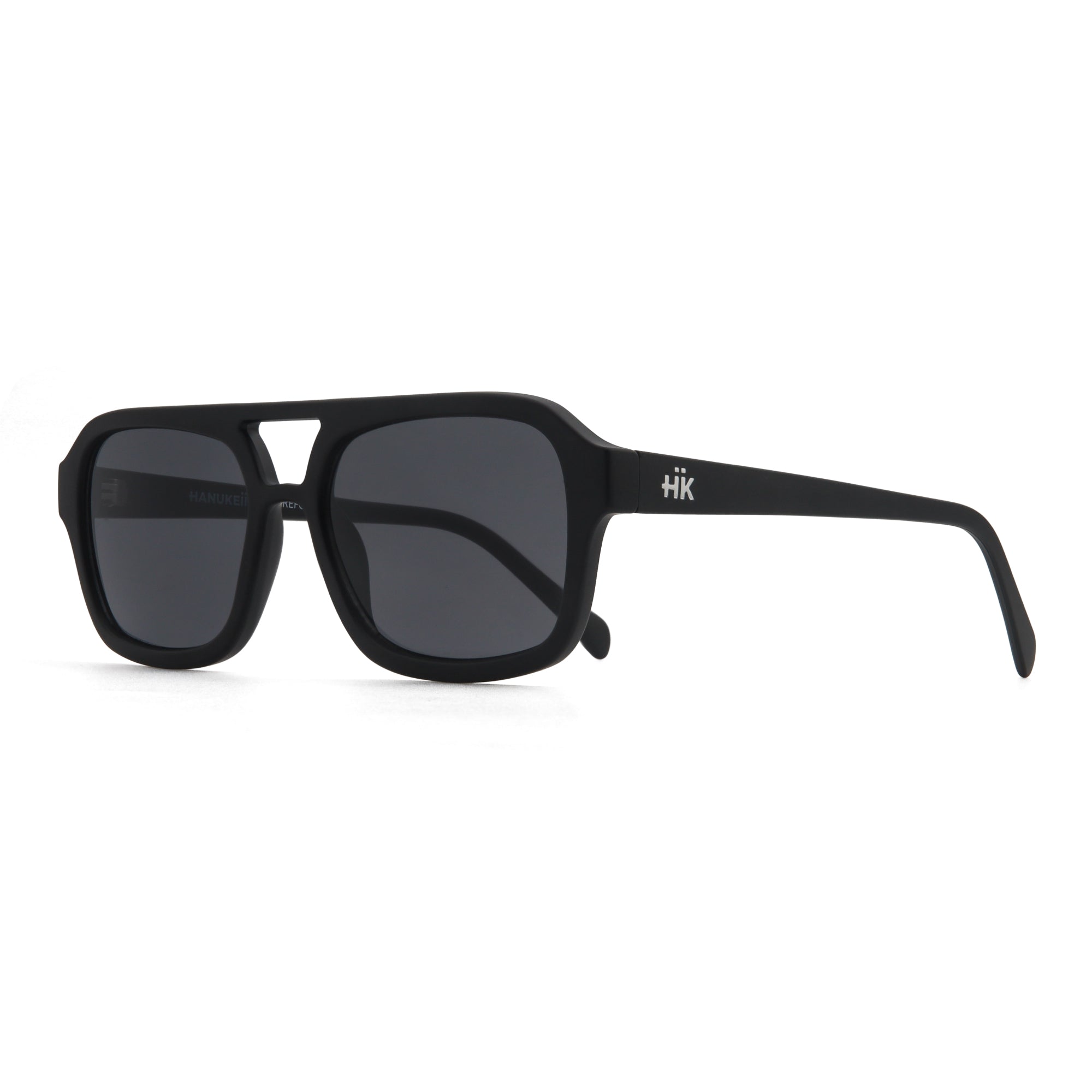
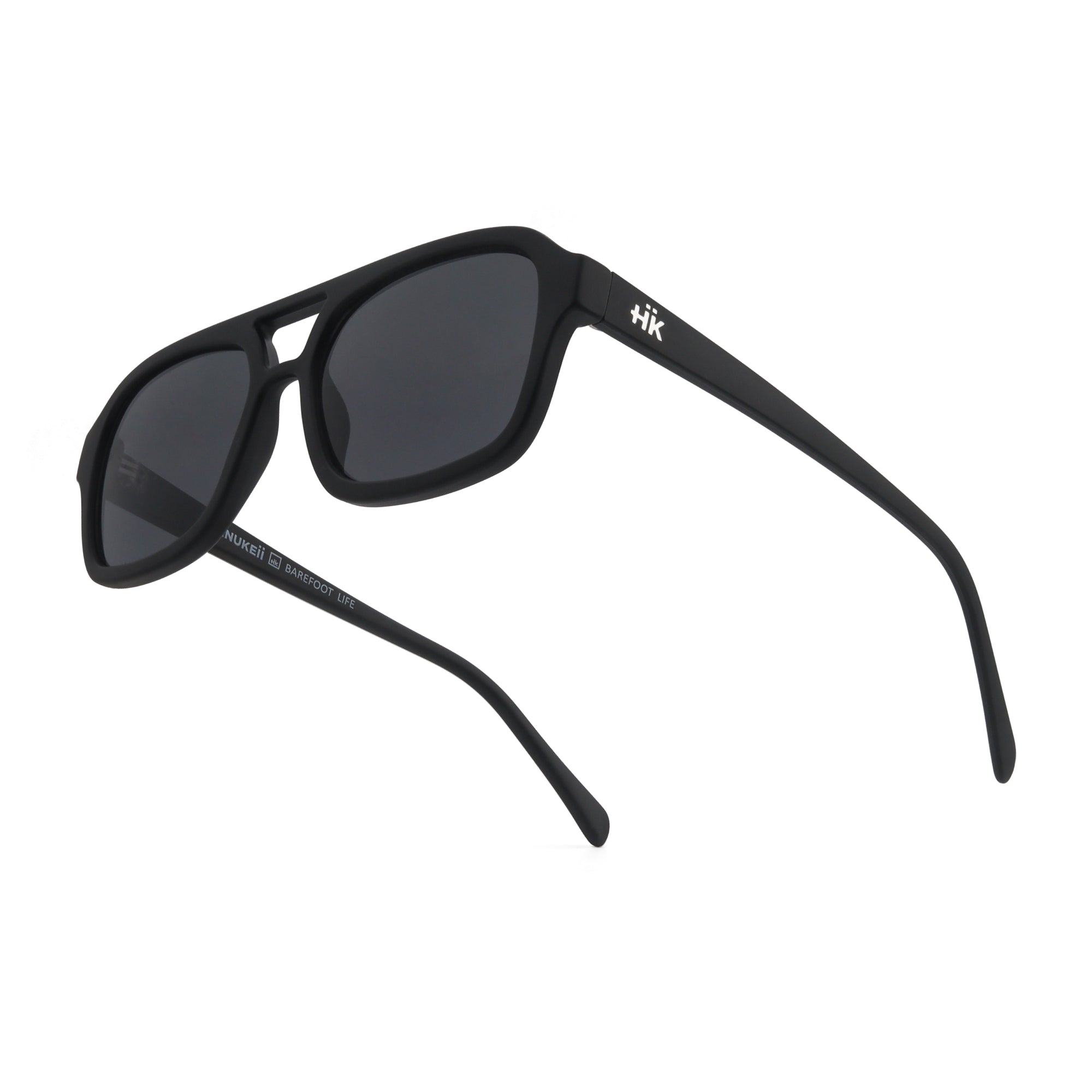
When we talk about polarized sunglasses, we often think of a technical feature listed in a product description, but we don’t always fully understand it. It sounds good, seems important, and is usually associated with quality glasses, but it’s worth taking a moment to explain what it really means and why it can make such a difference in daily use.
Polarization isn’t just a marketing detail. It’s a technology designed to reduce reflections that occur when light bounces off surfaces like water, snow, asphalt, sand, glass, or metal. In other words, exactly those reflections that usually bother you when you drive, walk by the sea, do outdoor sports, or spend many hours under intense light.
Sunglasses can darken your vision, but polarized glasses go a step further: they help light reach your eyes more comfortably by reducing some of the glare that doesn’t provide useful information and only tires your eyes. That’s why people who try good polarized lenses usually notice the difference especially on the road, at the beach, in the mountains, snow, or very bright environments.
At The Indian Face, we see sunglasses as a practical item. They’re not just an accessory to dress better. They’re a tool to spend more time outdoors, protect your eyes, and move more comfortably in the city, on the road, at the beach, in the mountains, or any plan that comes up unexpectedly.
If you’re looking for glasses that combine protection, visual comfort, and outdoor style, you can explore our collection of The Indian Face sunglasses.

What it means for glasses to be polarized
To understand what polarized glasses are, you first need to understand how light behaves. Sunlight travels in many directions. When it comes directly from the sky, it can be intense, but when it bounces off a horizontal surface, like water, the road, or snow, it creates much more annoying reflections.
That reflection usually reaches the eyes in a scattered and harsh way. It doesn’t improve what you see. On the contrary: it can cause glare, loss of contrast, tiredness, the need to squint, and less comfortable vision.
Polarized lenses incorporate a filter that helps block some of that reflected light. That’s why they are used so much in glasses designed for driving, outdoor sports, sailing, skiing, fishing, running, hiking, or simply spending many hours outside.
It’s not about seeing the world “darker,” but seeing it with fewer interferences. The difference is important. A regular lens can reduce the amount of visible light, but a polarized lens is designed to also reduce those horizontal reflections that are so annoying in certain environments.
That’s why when you try polarized glasses by the sea, while driving, or on a snowy day, the experience can be very different: less uncomfortable glare, more visual rest, and a more stable perception of your surroundings.
Polarization is not the same as UV protection
This point is crucial. Just because glasses are polarized doesn’t automatically mean they protect against ultraviolet radiation. They are two different things, and it’s important to be clear about this before buying.
Polarization reduces reflections. UV protection helps shield the eyes from ultraviolet rays. A good pair of sunglasses should combine both features: visual comfort against reflections and real protection from solar radiation.
It’s also important to remember that a dark lens doesn’t always offer more protection. Some very dark glasses may not have adequate UV filtering. This can even be counterproductive because by reducing visible light, the pupil dilates, but without good protection, the eye can be more exposed to ultraviolet radiation.
That’s why when choosing sunglasses, you shouldn’t focus only on the lens color or how dark it looks. You need to check that it has proper UV protection, a lens category suitable for the intended use, and if you want more comfort against reflections, polarization.

Why reflections tire the eyes so much
Reflections are not always perceived as an obvious problem. Sometimes you don’t say “a reflection is bothering me,” you just notice that you’re squinting, that it’s hard to look ahead, that the scenery seems too bright, or that you end the day feeling eye fatigue.
This happens because your eyes have to work harder. They constantly try to adapt to very bright areas, sudden glares, bright surfaces, and contrast changes. On the road, for example, asphalt can reflect light for miles. At the beach, water and sand multiply brightness. In the snow, the reflection can be even more intense. In the city, glass, cars, building facades, and shop windows also create constant glare.
Polarized glasses help reduce some of that excess reflected light. They don’t eliminate all reflections in the world, but they can make vision more comfortable and less harsh in many everyday situations.
The consequence is simple: less visual strain, less need to squint, and more comfort for longer periods.
Main advantages of polarized sunglasses
Polarized sunglasses have many advantages, but it is best to explain them from real life, not just technically. What matters is not that they have one more feature, but what that feature provides when you leave the house.
- They reduce annoying reflections: especially on water, snow, asphalt, sand, glass, and shiny surfaces.
- They improve visual comfort: helping you look longer without straining your eyes as much.
- They can reduce eye fatigue: by decreasing glare on very bright days.
- They provide a greater sense of sharpness: less useless glare allows better perception of the surroundings.
- They are very useful for driving: especially with low sun, shiny roads, or reflections on windshields.
- They work very well at the beach and in the mountains: two environments where reflected light is usually intense.
- They are a good option for outdoor sports: running, cycling, hiking, climbing, fishing, skiing, or nautical activities.
In summary, polarized sunglasses are not just for those who do extreme sports. They also make sense for those who drive, travel, walk, work outdoors, or simply want more relaxed vision on bright days.

Polarized sunglasses for driving
Driving is one of the activities where polarized lenses are most appreciated. When you drive, your eyes work constantly: you look at the road, signs, mirrors, other vehicles, pedestrians, changes in light, and possible obstacles. If there is also intense sun or reflections on the asphalt, visual effort increases.
The reflection from the road, the hood of other cars, the windshield, or metallic surfaces can be very uncomfortable, especially on long trips or with low sun. At those times, polarized sunglasses can help reduce glare and make vision more stable.
This does not mean you drive better just by wearing glasses. Attention, rest, appropriate speed, and caution remain the most important. But more comfortable vision can make the journey less tiring.
For driving, it's best to choose polarized sunglasses with a category suitable for daylight. Category 3 lenses are usually very useful on sunny days, but sunglasses that are too dark should not be used if they excessively reduce visibility. And, of course, it is not recommended to drive at night with sunglasses.
If you spend many hours behind the wheel, a good pair of polarized sunglasses can become one of those items you always keep in the car, not for fashion, but because you really use them.
Polarized glasses for beach and sea
The beach is probably one of the environments where polarization is understood most quickly. Water constantly reflects light. Sand also adds brightness. Light surfaces, wet rocks, and the open horizon cause light to come from many angles.
With regular glasses, you can reduce some of the intensity, but water glare can still be bothersome. With polarized glasses, some of that brightness is filtered, and vision becomes more relaxed.
This is useful for walking along the shore, reading on a terrace, driving to the coast, sailing, practicing water sports, or simply spending a whole day outdoors. The goal is not to isolate yourself from the scenery but to enjoy it more comfortably.
Also, at the beach, it’s important that glasses are easy to clean and maintain. Sand, salt, sunscreen, and heat can affect the lenses and frame if not properly cared for. That’s why it’s best to rinse them with fresh water after heavy use and always store them in their case.

Polarized glasses for mountain and hiking
In the mountains, the light changes constantly. You might walk through a shaded area, come out into a very bright clearing, cross a light-colored rock zone, or encounter reflections on water, snow, or dry surfaces. Your eyes adapt all the time, which can cause fatigue.
Polarized glasses can help reduce glare and provide more comfortable vision during routes, excursions, and outdoor activities. Additionally, a good frame protects against wind, dust, and small particles that appear on trails or open areas.
For hiking or mountain activities, it’s important that glasses are not only stylish. They must be comfortable, lightweight, stable, and durable. A frame that slips, pinches, or is too heavy can be very annoying after several hours.
It is also advisable to choose a lens suitable for the brightness. For high exposure, a category 3 lens can work very well. In extreme snow or high mountain conditions, specific protection may be necessary.
Polarized glasses for snow
Snow is one of the most demanding environments for the eyes. It reflects a lot of light and can cause very intense glare. That’s why eye protection should not be taken lightly during snow activities.
Polarized lenses can help reduce some of the glare on the snow, making vision more comfortable. However, for snow, it is not enough for glasses to be polarized. You also need to consider UV protection, lens category, side coverage, and the type of activity.
For skiing or snowboarding, it is often more appropriate to use a specific snow mask. For walks, driving in mountain areas, breaks at the resort, or light outdoor activities, good sunglasses can be a great ally if they have the right protection.

Polarized glasses for outdoor sports
When you do outdoor sports, vision plays a fundamental role. You not only need to protect yourself from the sun but also read the terrain well, anticipate changes, perceive obstacles, and maintain concentration.
In cycling, running, trail, climbing, hiking, or nautical activities, reflections can appear in many forms: puddles, rocks, asphalt, water, sand, snow, or metallic surfaces. A polarized lens can reduce some of that glare and make the experience more comfortable.
That said, fit is also very important in sports. Glasses must stay stable, not bounce, not pinch, and not fog up easily. The frame should be lightweight, durable, and suitable for movement.
Casual glasses can serve for many light activities, but if you are going to practice intense sports, it is advisable to consider more sporty or specific models for that activity.

How to know if glasses are polarized
There are some simple ways to check if glasses are polarized, although the most reliable method is always to review the product’s technical information or the manufacturer’s certification.
A common test is to look at an LCD screen, such as a mobile phone, computer, or car display, through the lens. Then slowly rotate the glasses. If the lens is polarized, at certain angles the screen may darken significantly or even appear almost black.
Another test is to look at a reflective surface, like water, glass, or a shiny table. When you rotate the glasses, the intensity of the reflection may change if the lenses are polarized.
Many glasses also include the word “polarized” or a “P” mark on the temple or lens. Still, it is always advisable to buy glasses from reliable places and check the actual product features.
Categories of sunglasses lenses
Besides knowing if a lens is polarized, it is useful to understand the solar filter categories. These categories indicate the amount of visible light the lens lets through. They do not replace UV protection but help choose the right glasses according to the brightness level.
- Category 0: very clear lenses, for aesthetic use or very low brightness.
- Category 1: clear lenses, suitable for cloudy days or soft light.
- Category 2: medium intensity lenses, useful for moderate brightness.
- Category 3: dark lenses for intense sun, beach, mountains, daytime driving, and outdoor use.
- Category 4: very dark lenses for extreme high brightness conditions, such as high mountains or intense snow. They should not be used for driving.
For many people, category 3 lenses are one of the most versatile options for daily outdoor use. They work well at the beach, mountains, road, and sunny days. But if you will be in special conditions, it’s best to choose more precisely.
Which lens color to choose
The lens color influences both aesthetics and visual sensation. It does not alone determine UV protection, but it can modify how you perceive the environment.
Gray lenses
They are very versatile. They reduce light intensity without altering colors too much. They work well for driving, city, and general use.
Brown lenses
They provide warmth and contrast. They can be very comfortable for mountains, driving, walks, and outdoor activities where it’s important to better read reliefs and depth.
Green lenses
They offer balanced vision and a natural aesthetic. They are a good option for outdoors, mountains, forest, or daily use.
Blue lenses
They bring freshness and a sportier touch. They work well with summer looks, beach, road, and more modern styles.
Reddish or orange lenses
They can increase the sense of contrast and provide visual energy. They are usually associated with sports environments or variable light conditions, although they depend a lot on the category and type of lens.

Polarized or non-polarized: which to choose
Not everyone needs the same glasses. Choosing between polarized or non-polarized depends on the use, your sensitivity to light, and the environments where you usually move.
Polarized glasses are a great option if you drive frequently, go to the beach, do outdoor sports, spend time in the mountains, snow, or sea, or simply feel a lot of discomfort from glare. In these cases, glare reduction can make a clear difference.
Non-polarized glasses can also be valid if they have good UV protection and you mainly use them in the city, in moderate light situations, or as a style accessory. Not everyone needs polarization for every moment.
But if you're looking for versatile glasses, ready for many situations and comfortable in intense outdoor conditions, polarization is a very interesting added value.
How to choose quality polarized glasses
Choosing polarized glasses shouldn't depend solely on design. You might like the frame, but if the lens doesn't protect, if they are too heavy, or if they don't fit your face well, they won't be a good purchase.
- Check UV protection: it is essential to protect your eyesight.
- Check the lens category: choose according to the brightness level and use.
- Consider polarization: especially if there are reflections in your daily life.
- Look for a lightweight frame: comfort matters after several hours.
- Look at the hinges: good construction improves durability.
- Choose a shape that suits you: not all frames fit the same.
- Think about the actual use: city, road, beach, mountain, snow, or sports.
At The Indian Face, we design glasses meant to accompany you outdoors, with a style that fits both the city and outdoor plans. If you want to find a model to move freely, you can visit our collection of polarized sunglasses.
How to care for polarized glasses
A good lens also needs good care. Many glasses get damaged not due to lack of quality but because of misuse. Cleaning them with a t-shirt, leaving them face down, or storing them without a case can scratch the lenses and affect visual comfort.
Ideally, clean them with water and mild soap when dirty, dry them with a soft microfiber cloth, and always store them in their case. Avoid paper, abrasive fabrics, alcohol, solvents, household glass cleaners, or harsh products.
If you use them at the beach, rinse them with fresh water to remove salt and sand before wiping. If you use them for sports, clean them afterward to remove sweat and dust. And if you carry them in the car, avoid leaving them for hours in the sun on the dashboard.

Common mistakes when buying polarized glasses
- Confusing polarization with UV protection: they are different features.
- Buying just for aesthetics: a nice pair of glasses must protect and be comfortable.
- Thinking that darker is always better: darkness does not guarantee protection.
- Not checking the category: each light level needs an appropriate lens.
- Ignoring the actual use: driving, beach, snow, or city do not require exactly the same.
- Not taking care of the lenses: a scratched lens loses comfort, even if it is good.
Frequently asked questions about polarized sunglasses
What are polarized sunglasses?
They are glasses with lenses that incorporate a filter designed to reduce reflections caused by surfaces such as water, snow, asphalt, sand, glass, or metal. Their goal is to offer more comfortable vision in very bright conditions.
Do polarized sunglasses protect more than regular ones?
They offer better protection against glare, but UV protection depends on the lens’s UV filter. Ideally, choose polarized sunglasses with adequate UV protection.
Are they good for driving?
Yes, they are very useful for daytime driving because they reduce reflections from asphalt, windshields, and other vehicles. They should not be used for night driving.
Are they suitable for the beach?
Yes. At the beach, they help reduce reflections from water and sand, making vision more comfortable on very bright days.
Are they suitable for snow?
They can be useful because they reduce glare, but in snow, you also need to consider UV protection, lens category, side coverage, and whether it’s advisable to use a specific mask for winter sports.
How do I know if my sunglasses are polarized?
You can look at an LCD screen through the lens and rotate the sunglasses. If the screen darkens significantly at certain angles, they are probably polarized. It’s also good to check the product’s technical information.
What lens category is best for daily use?
Category 3 is usually very versatile for sunny days, beach, mountain, daytime driving, and outdoor activities. For very specific conditions, another type of lens may be necessary.
Where to buy polarized sunglasses?
You can find different models in the The Indian Face sunglasses collection, designed for city, beach, mountain, road, snow, and outdoor life.
Conclusion
Polarized sunglasses are a smart choice for those who spend time outdoors. They reduce glare, improve visual comfort, and help you better enjoy environments where light can be excessive: road, sea, mountain, snow, beach, or city.
But choosing well isn’t just about looking for the word “polarized.” You also need to check UV protection, lens category, frame comfort, material quality, and the actual use you will give them.
A good pair of sunglasses shouldn’t just look good. They should protect you, accompany you, and still make sense long after you buy them. Because when sunglasses combine design, visual clarity, and durability, they stop being just another accessory and become part of your way of living outdoors.
Discover our collection of The Indian Face sunglasses and find the model that best fits your upcoming days of light, road, beach, mountain, and adventure.