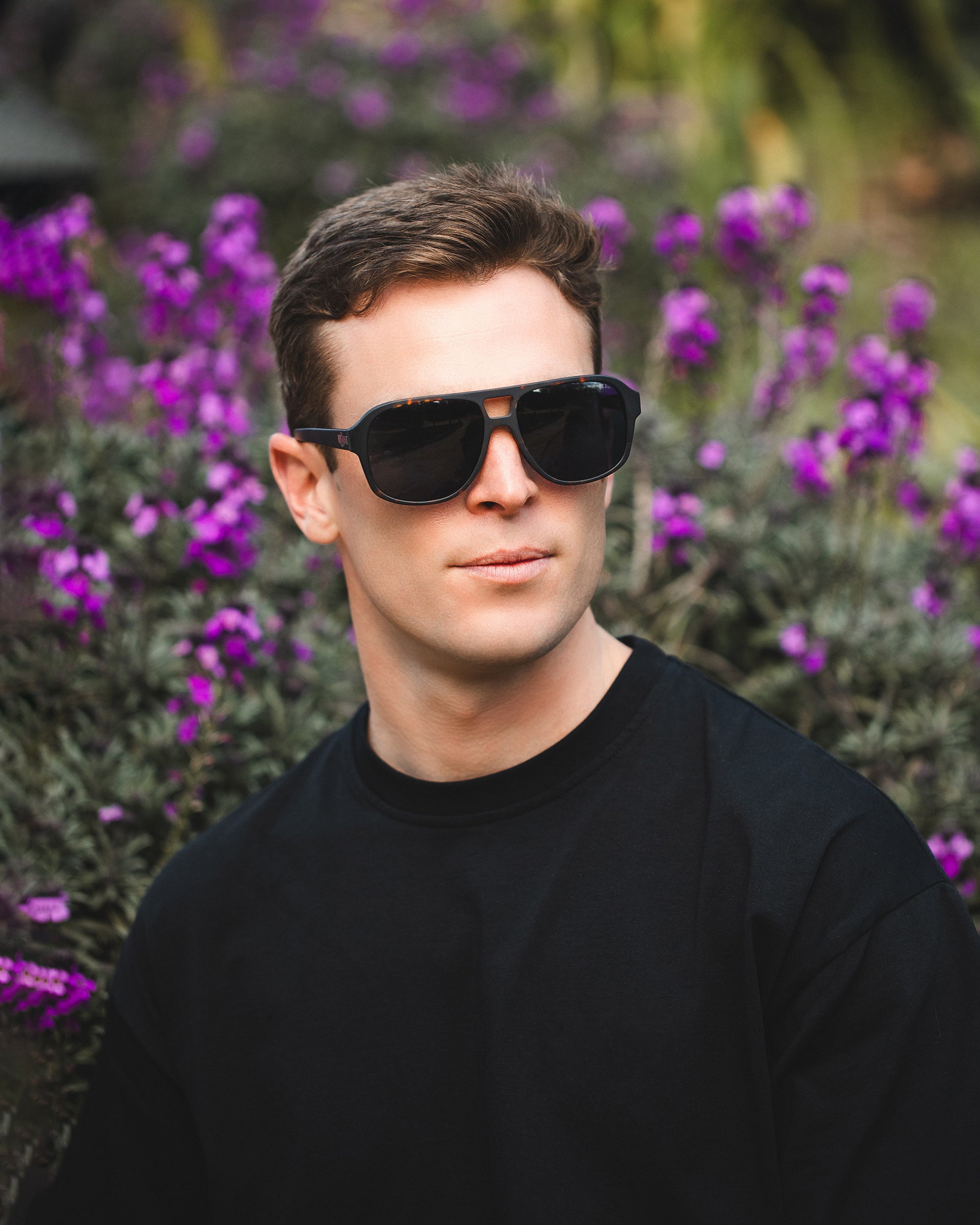
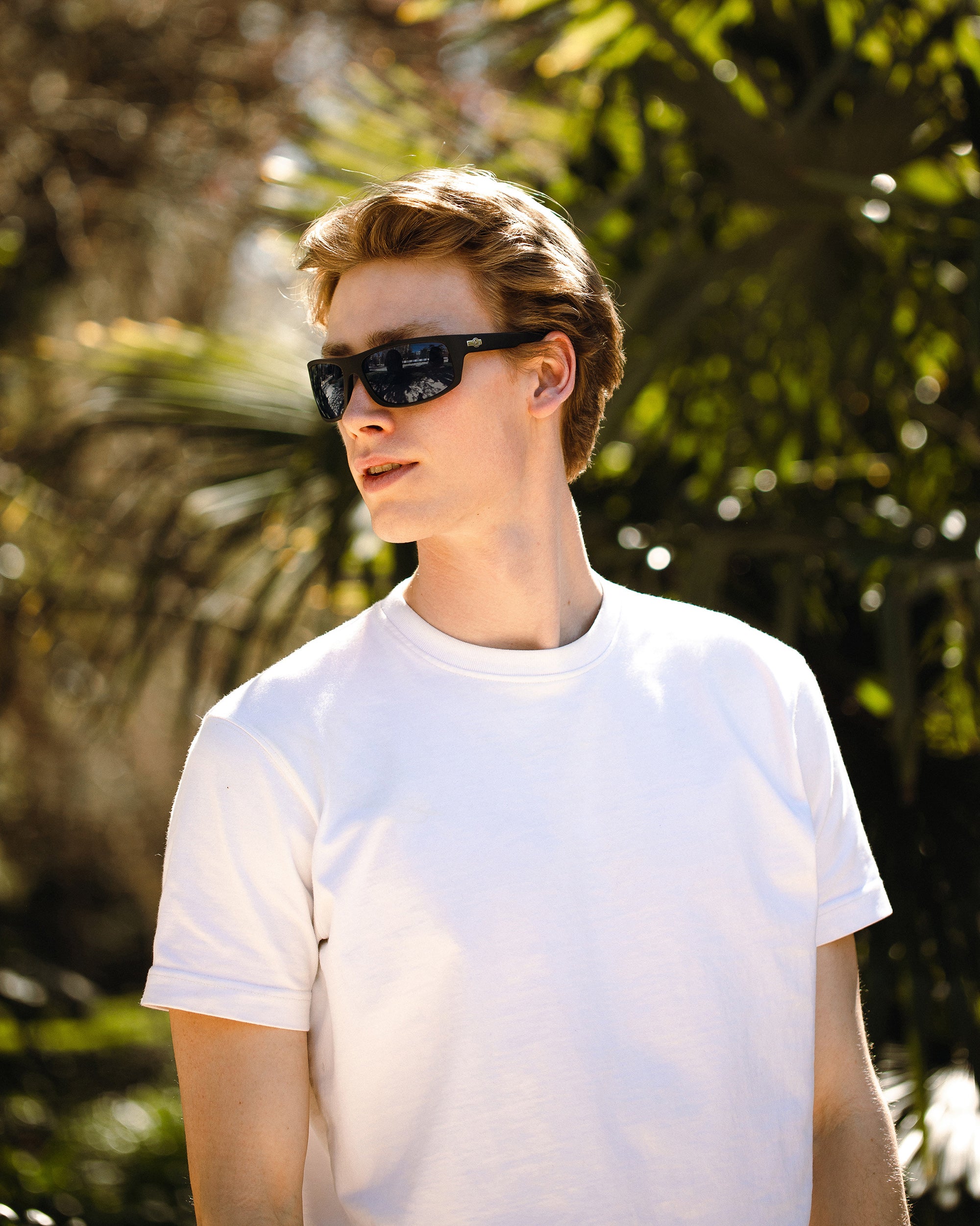
Talking about eye cancer or cancer of the eye requires care. It is not a topic to cause alarm, nor to turn sunglasses into a miracle solution. It is a visual health issue that should be known, understood, and always treated with medical professionals.
Eye cancer exists, although it is less common than other types of cancer. It can affect different areas of the eye or surrounding tissues, and in some cases, it can develop silently. Precisely for this reason, taking care of your vision, protecting your eyes from the sun, and attending eye check-ups when appropriate are important habits.
Sunglasses with UV protection do not replace medical check-ups nor guarantee that an eye disease will never appear. But they are part of a sensible routine of protection against solar radiation, especially when we spend many hours outdoors, drive, go to the beach, play sports, climb mountains, or live exposed to intense light.
At The Indian Face, we believe sunglasses should combine style, comfort, and real protection. Not just to look good, but to better accompany you when you go outside. If you’re looking for models designed for outdoor life, you can discover our collection of The Indian Face sunglasses.
Quick answer: Eye cancer is a type of tumor that can affect the eye or nearby tissues. It cannot always be prevented, but protecting the eyes from UV radiation, avoiding intense sun exposure, wearing sunglasses with UVA/UVB protection, and attending eye check-ups are important habits for maintaining visual health. If you experience blurred vision, spots, flashes, visible changes in the eye, or persistent pain, consult a specialist.
In this article you will see:
- What eye cancer is and why it’s important to know about it.
- Which warning signs should be checked by a specialist.
- How protection against UV rays helps.
- What type of sunglasses to choose to better protect the eye area.
- Which daily habits can contribute to better visual health.

Eye protection starts with simple actions: shade, a cap, suitable glasses, and check-ups when something changes.
The important points about eye cancer and sun protection in 5 key facts
- Eye cancer exists: it can affect the eye or nearby tissues, although it is less common than other tumors.
- It doesn’t always show symptoms at first: that’s why ophthalmological check-ups are important.
- UV radiation can damage the eye area: especially the thin skin of the eyelids and around the eyes.
- Sunglasses should truly protect: look for models with 99%-100% UVA/UVB absorption or UV400.
- If you notice strange signs, consult: blurred vision, spots, flashes, changes in the pupil, or persistent eye pain should be evaluated by a specialist.
What is ocular cancer
The term ocular cancer is used to refer to malignant tumors that originate in the eye or nearby structures. It can affect different areas: the inside of the eye, the conjunctiva, the eyelids, the orbit, or tissues around the eye area.
One of the best-known types is ocular melanoma, which appears in the cells that produce pigment. Tumors can also exist on the eyelids or the skin near the eye, a particularly delicate area because the skin is very thin and highly exposed to the sun.
Not all eye problems are cancer, far from it. Most visual discomforts have much more common causes: eye strain, dryness, conjunctivitis, irritations, allergies, incorrect prescription, or prolonged screen exposure. But when persistent changes or strange symptoms appear, it is wise to consult.
Useful fact: Ocular cancer should not be self-diagnosed. If you notice changes in vision or the appearance of your eye, the right response is not to look for a quick explanation on the internet, but to see an ophthalmologist.
Why it’s important to take it seriously without panicking
Talking about cancer always commands respect. But the goal of this article is not to scare, but to remind something important: eye health deserves attention. Just as we check our skin, teeth, or blood pressure, it is also advisable to check our vision.
Some eye tumors can develop silently and show no clear symptoms in early stages. Others may manifest with visible changes or vision alterations. The problem is that many people delay consulting because they think "it will go away" or attribute everything to fatigue.
Absolute prevention is not always possible. In fact, Mayo Clinic points out that healthcare professionals have not found a guaranteed way to prevent ocular melanoma. But we can reduce unnecessary exposures and adopt visual protection habits, especially against UV radiation.
The key is balance: don’t live in fear, but don’t neglect your eyes either.
Warning signs that a specialist should evaluate
Ocular melanoma and other eye area problems may not cause symptoms at first. When signs appear, they can vary greatly depending on the location and type of lesion. The American Academy of Ophthalmology lists possible symptoms including dark spots on the iris or conjunctiva, blurred or distorted vision, loss of visual field, or flashes, among others.
See an ophthalmologist if you notice any of these changes, especially if they persist or appear suddenly:
- Blurred, distorted, or loss of vision.
- Spots, shadows, lines, or blind areas in the visual field.
- Flashes of light or sensation of flickering lights.
- Changes in the size or shape of the pupil.
- New or changing dark spot on the iris, conjunctiva, or eye area.
- Persistent pain inside or around the eye.
- Loss of peripheral vision.
- Visible changes in eyelids, moles near the eye, or lesions that don’t heal.
These symptoms don’t automatically mean cancer. But they are enough reasons not to ignore them.

Sunglasses with UV protection and a cap or hat help reduce direct exposure on very bright days.
UV rays and eye health
Ultraviolet radiation is one of the main reasons we recommend using quality sunglasses. UV rays can affect the skin and also eye structures. Prolonged and cumulative exposure can contribute to various problems, especially on the eyelid skin and around the eyes.
The American Cancer Society recommends wearing sunglasses with UV protection when outdoors in intense sunlight; it states that wraparound models with 99%-100% UVA and UVB absorption offer the best protection for the eyes and surrounding skin.
This doesn’t mean that sunglasses completely prevent any eye problems. It means they are a reasonable protective measure within a broader routine: avoiding peak radiation hours, seeking shade, wearing a cap or hat, protecting the skin, and having your eyes checked when necessary.
Which sunglasses to choose to better protect your eyes
Not all sunglasses offer the same level of protection. To better care for the eye area, it’s important to consider several factors:
| Feature | Why it matters | Recommendation |
|---|---|---|
| UV Protection | Helps block ultraviolet radiation. | Look for UV400 or 99%-100% UVA/UVB. |
| Coverage | Reduces side light entry. | Better if the frame covers the eye area well. |
| Comfort | If they’re comfortable, you’ll wear them more. | Choose a lightweight and stable frame. |
| Polarization | Reduces glare on water, snow, asphalt, or sand. | Useful for driving, beach, mountain, and sports. |
| Optical quality | Avoid distortions and visual fatigue. | Buy from reliable brands and check the technical specifications. |
A dark lens doesn’t always protect. A polarized lens reduces glare but doesn’t replace UV protection on its own. Ideally, choose sunglasses that combine protection, comfort, good coverage, and a lens suitable for the use.
If you’re looking for models for outdoors, road, beach, or mountain, you can explore our collection of The Indian Face sunglasses.
The importance of coverage: it’s not all about the lens
When we talk about eye sun protection, we often only think about the lens. But the frame shape also matters. If sunglasses let in a lot of light from the sides, top, or bottom, the actual protection can be less than you imagine.
That’s why, for prolonged exposure or very bright environments, sunglasses that cover the eye area well work better. More wraparound models or those with larger lens surfaces can help reduce side light entry.
This is especially important at the beach, snow, mountains, driving, and outdoor sports. In these scenarios, light doesn’t only come from the front: it also reflects from below or the sides.
Cap, hat, and shade: allies of your sunglasses
Sunglasses are important, but they shouldn’t be the only measure. A cap or hat helps reduce direct light coming from above. Seeking shade during peak radiation hours is also a smart choice.
On summer days, long hikes, beach or mountain trips, combining sunglasses with a cap and sunscreen on the skin is much more effective than relying on just one measure. Protection should be understood as a set of habits.
This is especially relevant for the skin around the eyes and eyelids, a thin and exposed area that we often forget to protect when applying sunscreen.
Note from The Indian Face: Protecting yourself doesn’t mean living in fear of the sun. It means enjoying more time outdoors with simple preparation: proper sunglasses, a cap, shade when needed, and common sense.
Screens, visual fatigue, and eye health
The original article also talked about screens, and it’s worth clarifying. Prolonged screen exposure is not related in the same way as UV radiation, but it can cause visual fatigue, dryness, tiredness, temporary blurred vision, or headaches.
To reduce discomfort from screens, it’s good to rest your eyes, blink more, adjust brightness, keep a proper distance, and check your prescription if you often feel tired. A useful rule is to look far away periodically to relax your focus.
This does not replace a medical check-up. If you notice persistent visual fatigue, blurred vision, or frequent discomfort, consult a professional.
Exercises and breaks to relax the eyes
Eye exercises do not prevent eye cancer but can help rest your eyes when you spend many hours in front of screens or working up close. It’s best to present them as visual breaks, not medical treatment.
Exercise 1: looking far away
- Stop looking at the screen for a few seconds.
- Find a distant point and focus on it for 20 or 30 seconds.
- Return to your task normally.
Exercise 2: conscious blinking
- Blink slowly several times.
- Do this especially if you feel dryness or tiredness.
- Avoid rubbing your eyes hard.
Exercise 3: resting with palms
- Wash your hands.
- Rub your palms until they are slightly warm.
- Place your palms over your closed eyes without pressing.
- Keep a few minutes of darkness and calm breathing.
If an exercise causes pain, dizziness, or discomfort, don’t force it. The eyes should rest, not suffer.

Visual breaks help against screen fatigue but do not replace an eye exam.
Nutrition and eye health
A balanced diet is also part of overall health care, including eye health. Nutrients found in fruits, vegetables, leafy greens, fish, nuts, and antioxidant-rich foods can contribute to general well-being.
Vitamins like A and C, along with other nutrients found in carrots, spinach, broccoli, citrus fruits, and green vegetables, are commonly associated with eye care as part of a balanced diet.
But it is best to avoid exaggerated promises. Eating carrots or spinach alone does not prevent eye cancer. What matters is a complete lifestyle: healthy eating, sun protection, not smoking, medical check-ups, and consulting a doctor if any unusual symptoms appear.

A good diet helps overall well-being but does not replace sun protection or medical check-ups.
Ophthalmological check-ups: when to consult
Visiting the ophthalmologist is one of the most important ways to care for eye health. The ideal frequency may vary depending on age, history, symptoms, prescription, previous diseases, or risk factors. If in doubt, it is best to follow a professional’s recommendation.
Seek priority consultation if you notice sudden visual changes, vision loss, flashes, spots, persistent pain, changes in the iris, eyelid lesions that do not heal, double vision, or any concerning alteration.
It is also advisable to have regular check-ups even if there are no symptoms, especially if you have a family history, moles or lesions near the eye, high sun exposure, or diseases that may affect vision.

If you notice changes in vision or the appearance of the eye, a professional check-up is always the safest step.
Common mistakes when protecting your eyes from the sun
- Buying glasses just for aesthetics: a nice frame does not guarantee UV protection.
- Believing that darker lenses offer more protection: protection depends on the UV filter, not the color.
- Wearing glasses without technical information: look for UV400 or 99%-100% UVA/UVB.
- Forgetting the sides: light also enters from the sides, especially at the beach or in the snow.
- Not wearing a cap or hat: they help reduce direct light on the eye area.
- Not checking moles or lesions near the eye: any change should be evaluated.
- Delaying the visit to the ophthalmologist: persistent symptoms should not be ignored.
Infographic about eye cancer
The following infographic summarizes some basic eye protection tips. Use it as a reminder, not as a diagnosis. Visual health should always be in the hands of qualified professionals.

Information helps prevent carelessness, but any warning sign should be checked by a specialist.
Frequently asked questions about eye cancer and sun protection
What is eye cancer?
It is a malignant tumor that can appear in the eye or nearby tissues, such as eyelids, conjunctiva, or other structures in the eye area. There are different types and they should be evaluated by specialists.
Can the sun increase the risk of eye cancer?
The relationship can vary depending on the type of tumor. Mayo Clinic notes that some research suggests ultraviolet light exposure could increase the risk of ocular melanoma, and the American Cancer Society recommends glasses with UV protection to protect eyes and nearby skin when the sun is strong.
Do sunglasses prevent eye cancer?
It cannot be guaranteed that glasses prevent eye cancer. They can help reduce UV radiation exposure and protect the skin around the eyes, especially if they have 99%-100% UVA/UVB absorption or UV400.
Which glasses are best for protecting the eyes?
Look for glasses with UV400 or 99%-100% UVA/UVB protection, good coverage, and comfort. Wraparound models can help reduce side light entry.
When should I see an ophthalmologist?
If you notice blurred vision, vision loss, flashes, spots, visible changes in the eye, persistent pain, eyelid lesions that don’t heal, or any concerning symptoms, consult a specialist.
Do screens cause eye cancer?
They are not considered a common cause of eye cancer. What they can cause is eye strain, dryness, or discomfort if worn for many hours without breaks.
Where to buy sunglasses with outdoor protection?
You can discover models designed for city, beach, mountain, road, and outdoor life in the The Indian Face sunglasses collection.
Conclusion
Eye cancer is a serious issue, but it should not be approached with fear. The best attitude is to combine information, protective habits, and professional check-ups. Protecting your eyes from the sun, wearing glasses with UV protection, avoiding unnecessary exposure, and consulting a specialist if you notice visual changes are simple decisions that can make a difference in visual health.
Sunglasses are not an absolute shield against any disease, but they are an important tool to spend more time outdoors with greater care. Choosing well is a way to respect your eyesight, just as you choose good shoes for walking or good clothes to protect yourself from the weather.
Because seeing well is not just about looking. It’s about continuing to enjoy the road, the beach, the mountains, travel, and all those places where light is part of life.