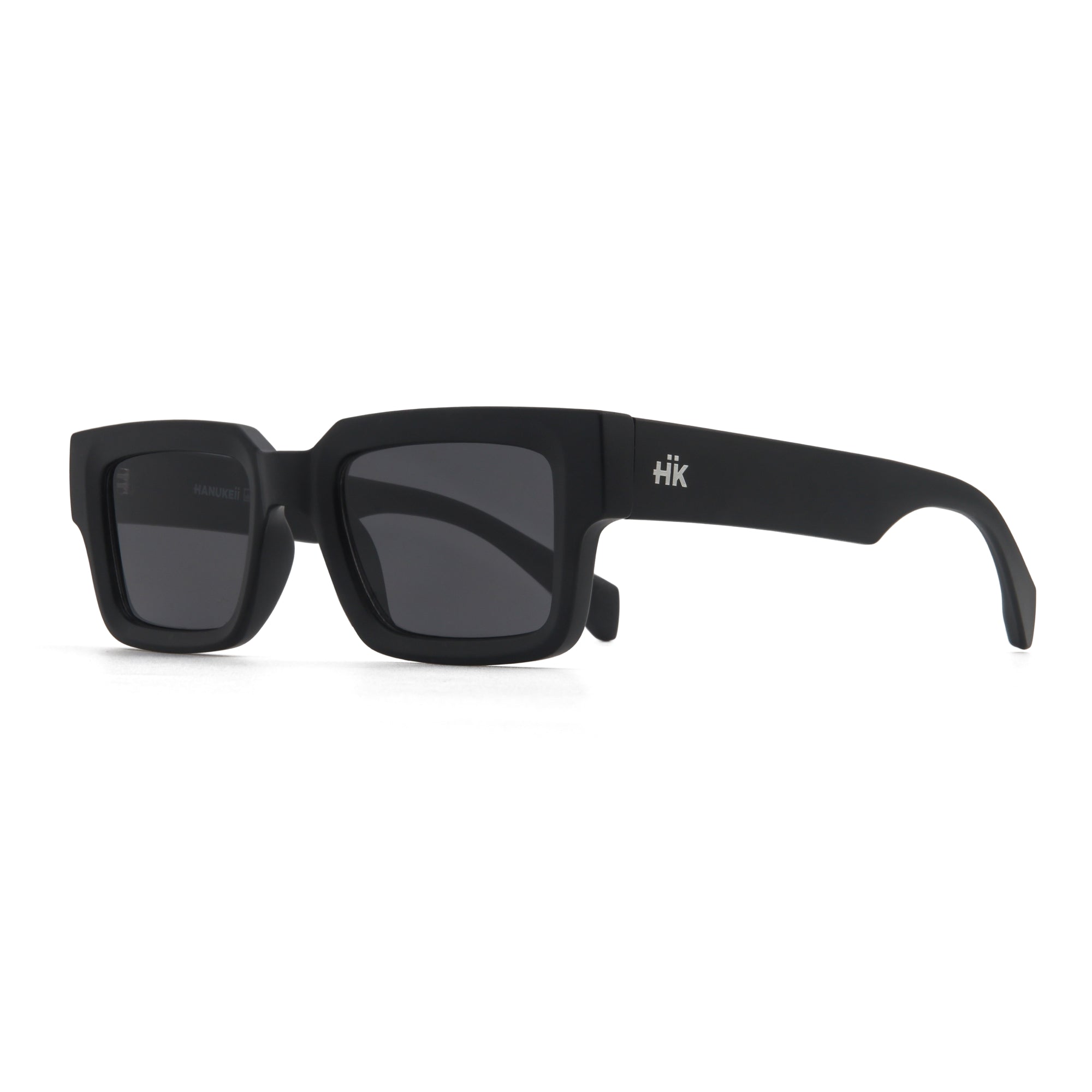
Red sunglasses: benefits, style, and when to choose red-colored lenses
Wearing sunglasses has become increasingly common, both for protection and style. Sunglasses, whether with red, black, blue, green, brown, or any other colored lenses, have stopped being an accessory reserved only for the beach or summer. Today they are part of the daily life of athletes, travelers, nature lovers, and people who enjoy spending time outdoors.
Sunglasses started out, for many, as a seasonal fashion item. Something used on vacation, at the beach, or during the sunniest months. However, over time they have become a timeless accessory, very present both in urban fashion and in sports and outdoor life. They are worn at the beach, in the mountains, in the city, while driving, walking, training, or simply enjoying a day outside.
And the most interesting thing is that sunglasses are no longer understood only as eye protection. They are also a way to project personality. A pair of sunglasses can convey a sportier, more elegant, more adventurous, more classic, or bolder style. That’s why choosing the lens color, frame shape, and design type is not a minor detail. It’s an important part of how we want to express our style outwardly.
Among all the available options, red sunglasses have gained prominence for their visual impact, character, and connection to the sports world. Red, pink, or warm-toned lenses can provide a very distinctive look, but they are also interesting from a functional perspective, especially in certain lighting conditions and specific outdoor activities.
That’s why, in this article, we will look at what makes sunglasses with red lenses special, when they can be a good choice, what benefits they offer, how to pair them, and what you should consider before buying sunglasses of this color.

Why sunglasses are much more than an accessory
Sunglasses have a very clear dual function: they protect and define style. On one hand, they help reduce eye exposure to intense light, glare, and ultraviolet radiation when the lenses have the appropriate protection. On the other hand, they are located in a very visible area of the face, so they directly influence the image of the person wearing them.
This explains why many people have more than one pair of sunglasses. We don’t always look for the same thing. Some days we want discreet sunglasses that are easy to match. Other days, more sporty sunglasses. Others, a more elegant design. And sometimes, we want to wear something different, with more color and personality. That’s where red sunglasses can take a very interesting place.
Sunglasses have become a sport-casual accessory because they work in many contexts. They can accompany a basic t-shirt, a sweatshirt, a cap, a technical jacket, swimwear, a summer shirt, or a travel backpack. They don’t belong only to sports or only to fashion. They exist in that middle ground where utility and aesthetics coexist naturally.
Also, when we talk about sunglasses for athletes or adventure lovers, the choice shouldn’t depend solely on design. The lens, UV protection, fit, lightness, durability, and comfort are fundamental aspects. Pretty sunglasses that don’t protect well, move too much, or tire the eyes don’t fulfill their function.
Lens color matters more than it seems
One of the most important factors when buying sunglasses is the lens color. Often it is chosen based on taste, fashion, or how it looks with the frame, but color can also influence the visual experience. Not all lenses filter light the same way or transmit the same sensation when looking through them.
Gray lenses usually maintain a fairly natural perception of colors. Brown or amber lenses can add warmth and contrast. Green lenses are generally comfortable for general use. Yellow or orange lenses are associated with low light conditions or cloudy days. And red or pink lenses can provide a warm vision, with a sense of contrast and a very recognizable aesthetic.
However, there is something important: the lens color alone does not determine sun protection. A dark lens does not necessarily mean better UV protection. What’s essential is that the sunglasses have adequate UV protection. Darkness reduces the amount of visible light reaching the eye, but real protection against ultraviolet radiation depends on the lens filter.
Therefore, when choosing red sunglasses, it’s not enough to focus only on the color. What matters is that they combine aesthetics, comfort, and protection. Red can add personality and a specific visual experience, but lens quality remains decisive.
Benefits of wearing sunglasses with red lenses
Sunglasses with red lenses have a special personality. Aesthetically, they attract attention without needing an excessive frame. Functionally, red, pink, or warm tones can be interesting in certain conditions, especially when seeking a greater contrast sensation or brighter vision in variable environments.
This doesn’t mean all red lenses are the same or suitable for every situation. Each pair depends on its optical quality, filter category, UV protection, material, and design. But generally speaking, red lenses can offer a range of interesting advantages for those who play sports, drive, travel, or spend many hours outdoors.
They improve the sense of contrast
One reason many people feel comfortable with red or warm-toned lenses is the contrast sensation they provide. In sports and outdoor activities, contrast is important to better read the terrain, differentiate shadows, perceive surface changes, and detect moving objects.
In trail running, cycling, hiking, tennis, or mountain sports, seeing the environment well isn’t just about having more or less light. It’s about correctly interpreting what’s in front of you. A lens that helps better distinguish certain shapes and contrasts can make the experience more comfortable.
They can be helpful in variable light conditions
Red lenses can be useful when the light isn’t completely stable. For example, on partly cloudy days, sunrises, sunsets, or routes alternating between shaded and sunny areas. In those moments, an overly dark lens can dull vision too much, while a warm lens can offer a livelier perception.
That’s why many people find them pleasant for outdoor activities where the environment changes constantly. They don’t replace a technical lens specific to each discipline, but they can be a good option for moderate sports use, travel, and outdoor style.
They reduce eye strain outdoors
A suitable lens can help reduce eye strain. When there is too much light, glare, or constant changes in brightness, the eyes work harder. We squint, blink more, and can end up feeling eye fatigue. Quality sunglasses help keep vision more relaxed for longer.
In the case of glasses with red lenses, that feeling of comfort can be especially appealing for people seeking a warmer, higher-contrast vision without always resorting to very dark lenses.
They provide a sporty and distinctive look
Red has strength. It is a color associated with energy, movement, confidence, and personality. In sunglasses, that strength translates into an accessory that stands out. It’s not as neutral as black nor as classic as brown, but it can be very versatile if paired well.
Red glasses work especially well with sporty, casual, and outdoor looks. They can also add an interesting touch to a simple outfit. A white t-shirt, a cap, jeans, and red sunglasses can be enough to create a style with intention.
Red sunglasses for sport and adventure
If you are a sports lover and practice skiing, snowboarding, cycling, trail running, windsurfing, hiking, tennis, or any outdoor activity, it is easy to understand why red sunglasses can be attractive. They have a look strongly linked to movement and, in addition, can offer an interesting visual experience in certain environments.
In sports where reflections, light changes, or irregular backgrounds abound, a lens that enhances contrast can help you feel more comfortable. In snowy landscapes, water areas, mountain paths, or roads with changing light, the eyes need to adapt continuously. Good sports glasses help reduce distractions and protect against external elements.
It is also important to remember that sports glasses do not only protect from light. They protect from wind, dust, insects, branches, splashes, and other particles that can be bothersome during activity. In cycling, for example, glasses serve a function similar to a small windshield for the eyes. They reduce the impact of frontal air and help maintain more stable vision.
Red cycling glasses: what to consider
If you are looking for red cycling glasses, the most important thing is not to focus only on the color. For cycling, the frame must offer good coverage, stable support, lightness, and compatibility with the helmet. The glasses must stay in place even with sweat, changes in pace, or head movements.
A wraparound frame can be especially useful because it offers better protection against side wind and environmental particles. It is also important that the lens provides a wide field of vision, so as not to limit the visual field. On the road or in the mountains, anticipating what happens to the sides is as important as seeing what is right ahead.
Red lenses can be an interesting option on cloudy days, variable light, or at dawn and dusk, when contrast can be especially important. They also provide a very sporty look that fits well with the cycling world.

Red glasses for running, trail, and mountain
In running and trail running, comfort is essential. Glasses should be lightweight, stable, and comfortable throughout the workout. If they move, are too heavy, or press on the nose, they will end up being a nuisance. In the mountains, the light also changes constantly: shade among trees, open areas, reflections on rocks, clear paths, or changes in altitude.
Glasses with red lenses can help provide a warmer and more contrasted visual sensation. This can be pleasant for better reading the terrain, especially when there isn’t direct light or when the sky is overcast. On trails, paths, and uneven areas, clearly distinguishing the relief helps move more safely.
For trail or mountain use, coverage matters a lot in addition to the lens. Glasses with good side protection prevent too much light from entering from the sides and help protect against dust, branches, or wind. It’s also important that they are durable and easy to clean, as glasses tend to get dirty frequently outdoors.

Red sunglasses as a fashion item
Besides their functional aspect, red sunglasses have an obvious aesthetic strength. Being positioned on the face, they become one of the most visible elements of the look. That’s why they can completely change the impression a person gives.
Trends change every season. Some years minimalist glasses are popular, others see a comeback of large frames, and others highlight mirrored lenses, intense colors, or retro designs. However, some styles outlast trends because they have a clear identity. Red glasses belong to that group of accessories that, when well chosen, can keep working over time.
Women’s red sunglasses can add a modern, fresh, and bold touch. Men’s red sunglasses can enhance a sporty, urban, or more eye-catching aesthetic. In both cases, the important factors are proportion, frame shape, and the confidence with which they are worn.
Some figures from film, music, and sports have helped normalize the use of glasses with more intense colors. From extravagant styles to sportier looks, red lenses have often been associated with strong personalities. And that explains part of their appeal: they are not neutral glasses. They make a statement.

How to match red sunglasses
One key to wearing red glasses naturally is to balance the outfit. Since the lens already stands out, there’s no need to overload the rest of the look. In fact, they often work better with simple clothing and neutral colors.
White, black, gray, navy blue, beige, denim, and earth tones pair very well with red lenses. They also work with sportswear, sweatshirts, technical t-shirts, swimsuits, caps, and light jackets. In summer, red glasses can add freshness to a very basic look. In winter, they can provide contrast to more sober garments.
If you want a more urban style, you can pair them with a white t-shirt, jeans, and sneakers. If you’re looking for something more outdoor, they fit well with a cap, backpack, comfortable t-shirt, and technical jacket. If you prefer a beach or travel vibe, they work very well with light tones, linen, cotton, and relaxed garments.
The trick is not to force it. Glasses should seem like a natural part of your style, not an element placed without relation to the rest. If you feel comfortable with them, it shows.
A brief history of colored sunglasses
The use of elements to protect the eyes from light is not recent. Long before sunglasses became a fashion accessory, different cultures sought ways to reduce the impact of intense light. One of the best-known examples is the Inuit people, who used pieces made from materials like bone, wood, or ivory, with small slits to limit the entry of light reflected by snow and ice.
Those systems were not sunglasses as we understand them today, but they responded to a very similar need: protecting the eyes from extreme brightness conditions. Snow and ice can reflect a large amount of light, and prolonged exposure can be very harmful to the eyes.
Decades later, aviation also drove the development of glasses with tinted lenses. Pilots needed to protect themselves from the sun, glare, and intense light during flight. From there, sunglasses began to evolve both technically and aesthetically.
Over time, tinted lenses stopped being just a practical solution and became part of fashion. Green, brown, gray, yellow, blue, red, or mirrored lenses began to be associated with different styles, uses, and personalities.
How to choose the lens color you need?
Choosing the color of a lens depends on the use, the environment, and your visual preferences. There is no single perfect color for everything. Each shade can offer a different feeling and work better in certain conditions.
Gray lenses are very versatile because they barely alter color perception. Brown lenses can add warmth and contrast. Green lenses offer comfortable and classic vision. Yellow or orange lenses can be useful in low light conditions or cloudy days. Red or pink lenses can provide warm vision, a sense of contrast, and a very strong aesthetic.
But above color, you need to check the protection. Sunglasses must protect against UV radiation. A dark lens without protection can be even worse than not wearing glasses because the pupil dilates when receiving less visible light, and if there is no proper filter, more ultraviolet rays can enter.
That’s why when you buy sunglasses, pay attention to UV protection, lens quality, frame comfort, and the intended use. The color should add value, not be the only reason for choosing.
Don’t forget the general benefits of wearing sunglasses
Beyond the red color, wearing sunglasses has important benefits. Sunlight is part of our lives and spending time outdoors is positive, but prolonged exposure without protection can cause discomfort and risks to eyesight. That’s why proper sunglasses are an investment in comfort, protection, and eye health.
- They help protect against ultraviolet radiation: sunglasses with proper UV protection reduce eye exposure to the most harmful sun rays.
- They reduce glare: especially useful on reflective surfaces like water, snow, sand, asphalt, or light rock.
- They reduce eye fatigue: by filtering intense light, the eyes work with less effort during outdoor activities.
- They protect against wind and particles: in sports, driving, or mountains, they help avoid dust, insects, branches, and other annoyances.
- They improve outdoor comfort: they allow you to enjoy natural light more without constantly squinting.
- They complement personal style: besides protection, sunglasses add character and complete the look.
What to consider before buying red sunglasses
Before buying red sunglasses, it’s important to make a balanced choice. The color can be very appealing, but the sunglasses must work well in real life. They should protect, be comfortable, and suit the intended use.
- UV protection: essential in any sunglasses, no matter the color.
- Lens quality: look for comfortable vision, without distortions or eye strain.
- Comfort: the frame should sit well on the nose and the temples should not press too much.
- Main use: sunglasses for intense sports are not the same as those for city, beach, or travel.
- Style: red lenses have presence, so it’s best to choose a shape that fits your face.
- Durability: if you are going to use them outdoors or for sports, look for lightweight and durable materials.
Conclusion: red sunglasses to protect, stand out, and enjoy the outdoors more
Red sunglasses have a very interesting mix of protection, style, and personality. They are not the most discreet option, but they are one of the most expressive. They can work for sports, city, beach, mountains, road, travel, or casual plans. They bring energy, contrast, and a different touch while still being practical.
Like any sunglasses, they should be chosen wisely. UV protection, lens quality, fit, and comfort are fundamental. The red color can be the detail that makes them special, but the foundation should always be a good user experience.
At The Indian Face, we understand sunglasses as part of an active, free life connected with the outdoors. Glasses are not just something you wear. They are something that accompanies you: on the road, in the mountains, by the sea, during training, on a trip, or any day you decide to go out and live a little more outwardly.
Frequently asked questions about red sunglasses
What are the benefits of red sunglasses?
Red sunglasses can provide a warmer vision, a feeling of higher contrast, and a sporty or bold aesthetic. They are interesting for outdoor activities, casual fashion, and people looking for a style with more personality.
Do red lenses protect more than other colors?
Not necessarily. Protection depends on the UV filter and lens quality, not just the color. A red lens can be very useful and stylish, but it must have adequate protection against ultraviolet radiation.
What sports are red sunglasses good for?
They can be useful for cycling, running, trail running, hiking, skiing, water sports, and outdoor activities. For intense sports, it is important that the frame is light, stable, durable, and comfortable.
Are red glasses only for summer?
No. Although they work very well in summer, they can also be used in spring, autumn, and winter. On cloudy days, sunrises, sunsets, or variable light environments, they can be especially interesting.
What clothes do red sunglasses go with?
They go very well with neutral tones like white, black, gray, beige, navy blue, denim, and earth colors. They also match sportswear, outdoor clothing, caps, sweatshirts, and beach or travel looks.
Are red sunglasses suitable for cycling?
Yes, as long as they are sports glasses with good support, coverage, and comfort. In cycling, besides the lens color, it is important to protect yourself from wind, insects, dust, and glare.
What is the difference between red lenses and black lenses?
Black lenses usually offer a more classic and discreet look. Red ones bring more energy, color, and personality. The choice depends on the use, style, and visual feeling you prefer.
Is it worth having red glasses as a second pair?
Yes. If you already have a more classic pair of glasses, red glasses can be a good second option for days when you want a sportier, different, or more striking style.