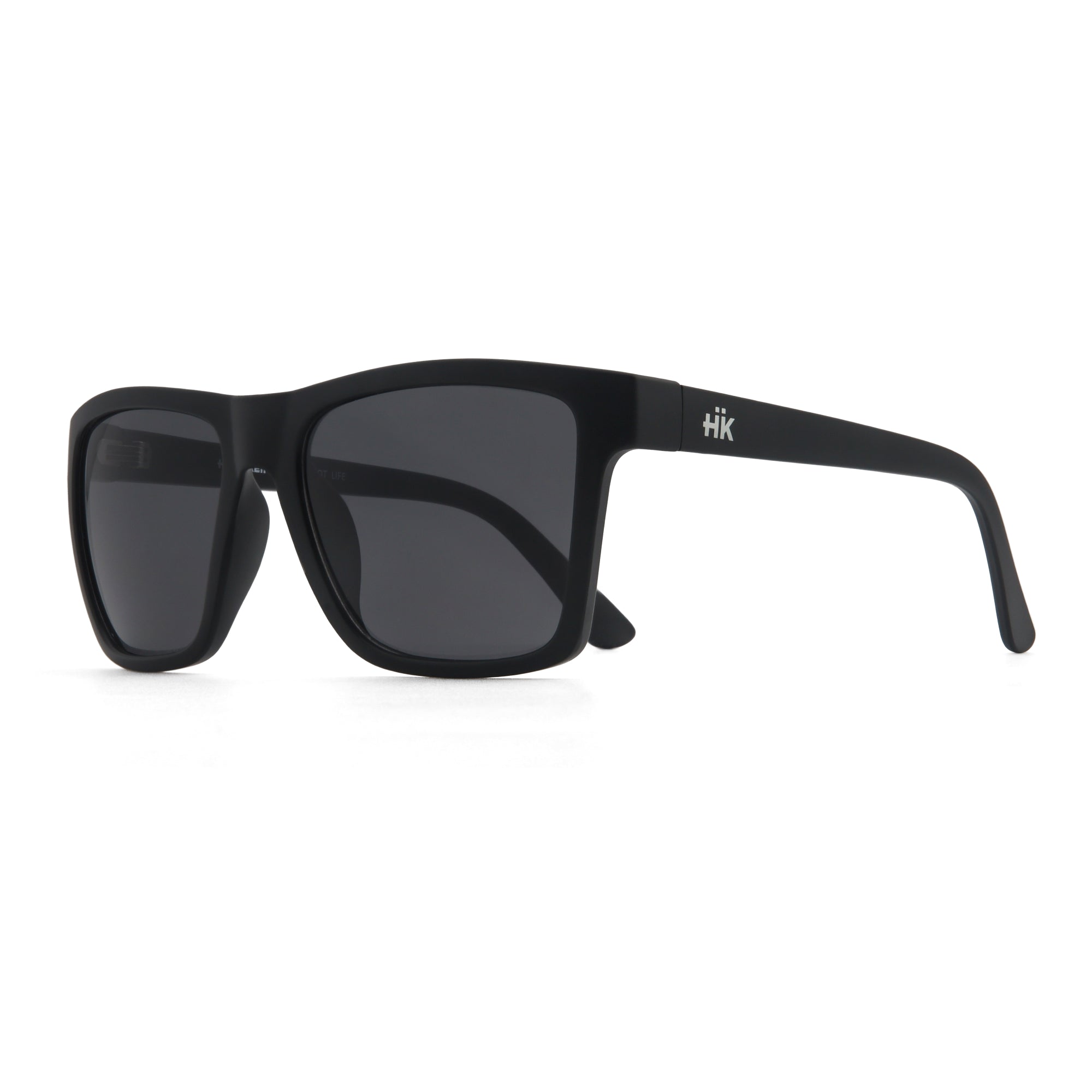
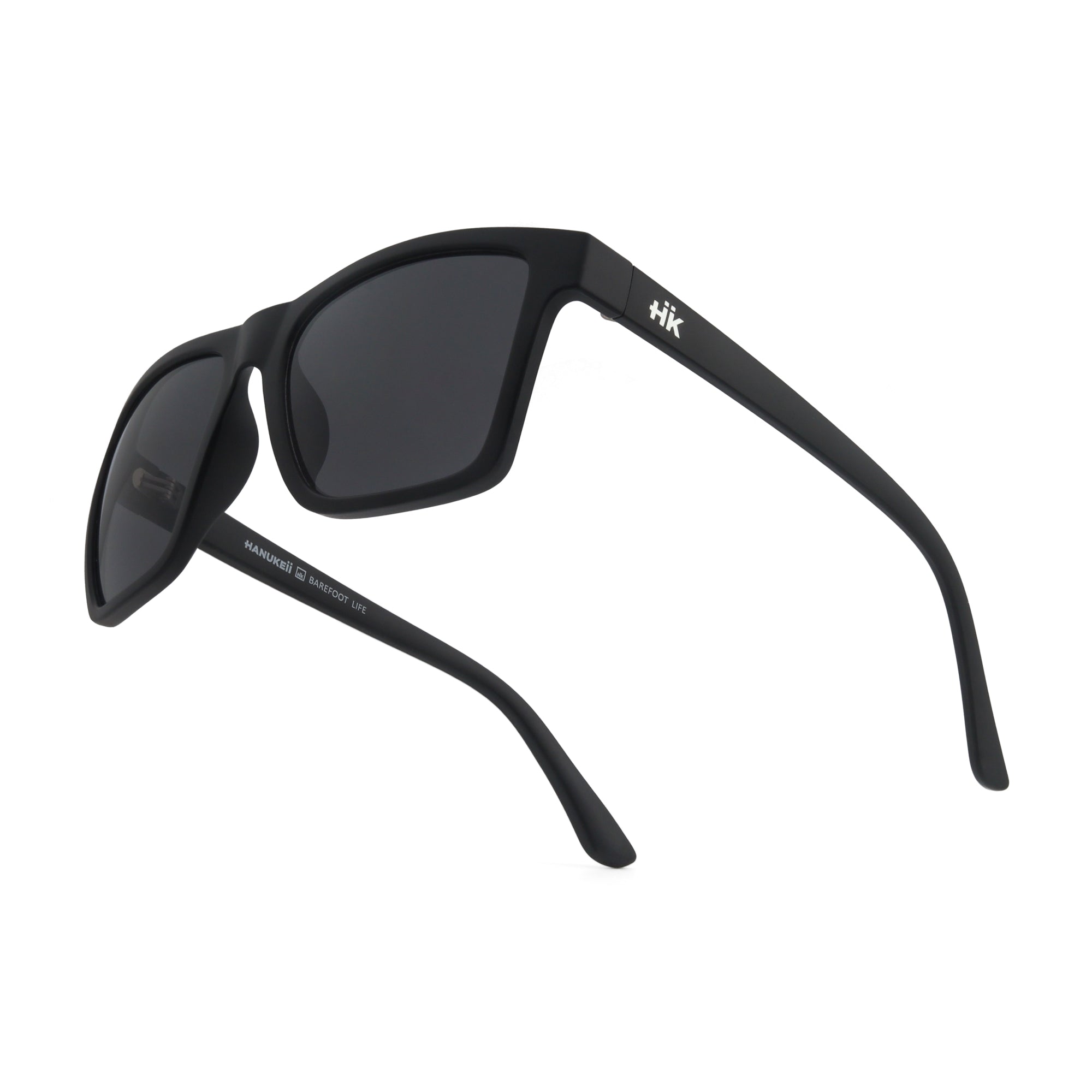
Although polarized glasses are increasingly popular, many people still don’t fully understand what this word really means. It is associated with quality, visual comfort, and sunglasses better prepared for the outdoors, but it’s important to explain it well: a polarized lens is not simply a darker lens.
Polarized sunglasses are designed to reduce certain reflections that appear when light bounces off surfaces like water, snow, asphalt, sand, glass, or metal. These reflections often force us to squint, cause glare, and make our eyes tire sooner.
At The Indian Face, many of our sunglasses are designed to accompany you in an outdoor life: driving, beach, mountain, city, travel, sports, and bright days. That’s why understanding what polarization is and when it’s worth using it will help you choose better.
Quick answer: Polarized glasses incorporate a filter that helps reduce annoying reflections caused by surfaces like water, snow, asphalt, sand, or glass. They are especially useful for driving, going to the beach, practicing outdoor sports, or spending many hours outdoors. Polarization improves visual comfort but does not replace UV protection: ideally, choose polarized glasses with UV400 protection.
In this article you will see:
- What it means for glasses to be polarized.
- How a polarized filter works.
- What is the difference between polarization and UV protection.
- When it is worth using polarized glasses.
- What advantages they have for driving, beach, sea, mountain, and sports.
- Common mistakes when buying polarized glasses.
- Frequently asked questions before choosing your next glasses.

Polarization helps filter part of the reflected light that is more uncomfortable for the eyes.
The important things about polarized glasses in 5 points
- They are not just dark glasses: polarization reduces reflections, not just the amount of light.
- They are very useful with reflective surfaces: water, snow, asphalt, sand, glass, or metal.
- They improve visual comfort: they help reduce glare and eye fatigue.
- They do not replace UV protection: polarized glasses must also have UV400 protection or equivalent.
- They fit an outdoor life: driving, beach, mountain, sports, travel, and daily use in bright light.
What polarization is
Polarization is a filter applied to the lens to reduce part of the reflected light that reaches the eyes from certain angles. To understand it simply, imagine a sunny day by the sea. Light doesn’t come only from above. It also bounces off water, sand, light-colored rocks, or even glass and metal surfaces.
That type of reflected light can be especially annoying. It doesn’t provide real clarity. Rather, it generates glare, dazzling, and a feeling of fatigue. That’s why often at the beach, driving, or walking on snow, we feel the light “bounces” directly into our eyes.
Polarized lenses help block part of those reflections. The result is usually more comfortable vision, with less glare and a feeling of greater visual rest.
It’s important to understand that anyone can use polarized lenses. They are not exclusive to athletes, drivers, or people who spend many hours outdoors. Although they are especially appreciated in those cases, they can also be very comfortable for everyday use.
Useful fact: A polarized lens can help you see with less glare, but protection against ultraviolet radiation depends on the lens’s UV filter. Ideally, your glasses should be polarized and have UV400 protection.
How a polarized filter works
Light travels in different directions. When it reflects off flat or shiny surfaces, like water, roads, or snow, part of that light is oriented horizontally and reaches the eyes as intense glare.
The polarized filter is designed to reduce that type of reflected light. That’s why when you wear polarized glasses, you may notice that glare on water, asphalt, or glass decreases. It doesn’t mean all light disappears, but the vision becomes less harsh.
This effect is especially useful when there is a lot of brightness and constant reflections. For example, when driving in low sun, walking by the sea, looking at a snowy surface, or practicing sports near water.
Polarized lenses are made by incorporating specific layers or filters into the lens. These layers are responsible for managing reflected light and improving visual comfort.

The polarized filter acts on part of the reflected light, reducing horizontal glare that tires the eyes.
Polarization and UV protection are not the same
This is one of the most common mistakes when buying sunglasses. Many people think that if a pair of glasses is polarized, it is fully protected from the sun. But they are two different things.
Polarization helps reduce reflections. UV protection helps block ultraviolet radiation. Good sunglasses should combine both features, but one does not replace the other.
The same applies to dark lenses. A lens can be very dark and yet not have adequate UV protection. The lens color affects the amount of visible light you perceive but does not guarantee UV protection by itself.
That’s why, when choosing sunglasses, it’s always good to check the technical information: UV400 protection, lens category, polarization, material, comfort, and recommended use.
Note The Indian Face: The best glasses are not necessarily the darkest. They are the ones that combine real protection, visual comfort, and a frame you want to wear every day.
Quick table: polarized, UV, and dark lens
| Concept | What it means | Why it matters |
|---|---|---|
| Polarized | Filter that reduces annoying reflections. | Very useful on water, snow, asphalt, sand, and glass. |
| UV protection | Filter against ultraviolet radiation. | Essential for protecting the eyes from the sun. |
| Dark lens | Reduces visible light. | Provides comfort but does not guarantee UV protection. |
| Mirrored lens | Reflective outer finish. | They can reduce visible light, but you need to check if they have UV protection. |
Advantages of polarized glasses
Polarized glasses make sense when you spend time in environments with intense light or reflections. They are not an empty fashion or a technical term used to sound better. Their usefulness is especially noticeable in real situations.
- They reduce reflections: on water, snow, asphalt, sand, glass, and shiny surfaces.
- They improve visual comfort: helping you look without straining your eyes as much.
- They reduce glare: especially on the road, beach, or mountains.
- They can reduce eye fatigue: by preventing the eyes from constantly working against annoying glare.
- They provide clearer vision: by eliminating some of the reflected light that interferes.
- They are versatile: suitable for driving, beach, sea, sports, mountains, snow, and daily use.
Polarized glasses for driving
Driving is one of the situations where the usefulness of a polarized lens is most noticeable. On the road, reflections can appear on the asphalt, windshield, the hood of other vehicles, metal signs, glass, or wet surfaces.
When the sun is low, especially in the morning or late afternoon, those reflections can be very annoying. A polarized lens helps reduce some of that glare and makes daytime driving more comfortable.
That said, you need to choose the right lens. For driving, it is not advisable to use lenses that are too dark. Category 4 should not be used while driving because it reduces visible light too much.

On the road, a polarized lens can help reduce reflections from asphalt, glass, and other vehicles.
Polarized glasses for beach, sea, and water sports
The sea is one of the places where the difference between a normal lens and a polarized lens is best understood. Water reflects a lot of light and generates constant flashes. Sand also intensifies brightness, especially on clear days.
That is why polarized glasses can be a great choice for walking along the shore, driving to the coast, spending the day at the beach, paddle surfing, sailing, fishing, or simply relaxing by the sea without straining your eyes.
They are also useful in water sports because they help reduce glare on the water. They do not replace other safety measures but do provide visual comfort in a demanding environment.

Near water, polarization is especially noticeable because it reduces some of the glare reflected by the sea.
Polarized glasses for mountain, snow, and cycling
In the mountains, the light changes constantly. You can go from a shaded area to an open one, cross a light rock surface, approach a river, or walk on snow. Each environment reflects light differently.
Snow, in particular, can be very demanding on the eyes. It reflects a lot of light and can cause intense glare. In this context, polarized glasses can help, although in high mountains or skiing, specific protection may be recommended depending on the activity.
They also make sense in cycling, especially on roads or areas with reflections. Asphalt, glass, wet surfaces, and changes in light can tire the eyes during long rides.
If you are preparing a mountain route or a long trip, besides suitable glasses, a comfortable backpack or light luggage can help you carry a case, water, sunscreen, and everything you need to spend the day outdoors.
Other uses of polarized glass
Polarization is not only used in sunglasses. This technology also appears in other areas where controlling light is important.
- Microscopes: it’s used to study materials and enhance certain contrasts.
- LCD screens: many screens use principles related to light polarization.
- 3D glasses: some systems use polarized lenses to separate images intended for each eye.
- Photography: polarizing filters help reduce reflections and improve contrast in skies, water, or glass.
This shows that polarization is not just an aesthetic feature. It’s a way to control how light passes through a crystal or lens.
How to choose good polarized sunglasses
For driving
Look for polarized lenses with UV protection, good optical quality, and a category suitable for daytime driving. Avoid lenses that are too dark.
For beach and sea
Choose polarized lenses, good UV protection, and a comfortable frame. After using them near the sea, clean them to remove salt, sand, and sunscreen.
For mountain and hiking
Prioritize UV protection, good coverage, and comfort for hours. Polarization can help if there are reflections from rocks, water, or snow.
For outdoor sports
Besides the lens, the fit matters. Good sports glasses should be lightweight, stable, and not move with sweat.
For daily use
Look for a frame you really want to wear. Protection and comfort matter, but so does style. Glasses that fit you well get worn more.
Complete your outdoor gear: on very bright days, polarized sunglasses go great with a cap to reduce direct light from above and a comfortable t-shirt to move naturally on trips, beach, or mountain.
Common mistakes when buying polarized sunglasses
- Thinking polarized means UV protection: these are different features.
- Buying just for looks: a good frame should also protect and be comfortable.
- Confusing dark lenses with polarized lenses: a lens can be dark without being polarized.
- Not checking the category: for driving, beach, or mountain, you need lenses suitable for the light level.
- Wearing them at night: sunglasses are designed for daylight, not for night driving.
- Not taking care of the lenses: sand, salt, and dust can scratch them if you clean them improperly.
- Not considering the actual use: you don’t need the same sunglasses for the city as for snow, road, or sports.
Frequently asked questions about polarized sunglasses
What does it mean for sunglasses to be polarized?
It means their lenses include a filter designed to reduce annoying reflections caused by surfaces like water, snow, asphalt, sand, or glass.
Do polarized sunglasses offer more protection?
They protect better against glare but not necessarily against UV radiation. Ideally, choose polarized sunglasses with UV400 protection or equivalent.
Are they good for driving?
Yes, for daytime driving they can be very useful because they reduce reflections from asphalt, windshields, and other vehicles. They should not be used for night driving or with lenses that are too dark.
Are they good for the beach?
Yes. At the beach, they help reduce reflections from water and sand, making vision more comfortable on very bright days.
How can I tell if my sunglasses are polarized?
A simple way is to look at an LCD screen through the lens and rotate the glasses. If the screen darkens a lot at certain angles, they are probably polarized. Still, it’s best to check the product’s technical sheet.
Do polarized sunglasses affect screens?
Sometimes yes. Some screens may appear darker or change intensity when viewed through polarized sunglasses from certain angles.
Where to buy polarized sunglasses?
You can discover models designed for city, beach, road, mountain, and outdoor life in the The Indian Face sunglasses collection.
Conclusion
Polarized sunglasses are one of those improvements that are better understood when used. They reduce glare, improve visual comfort, and make certain environments—road, beach, sea, snow, mountain, or sports—more comfortable for the eyes.
But choosing well is not just about looking for the word “polarized.” You also need to check UV protection, lens category, frame comfort, and the actual use you will give them.
A good pair of sunglasses shouldn’t just look good. They should protect you, accompany you, and help you enjoy your days outside more. Because when the light stops bothering you, the road, the sea, the highway, and the mountain look different.
Discover our collection of The Indian Face sunglasses and find a model ready for your upcoming days of light, travel, and adventure.