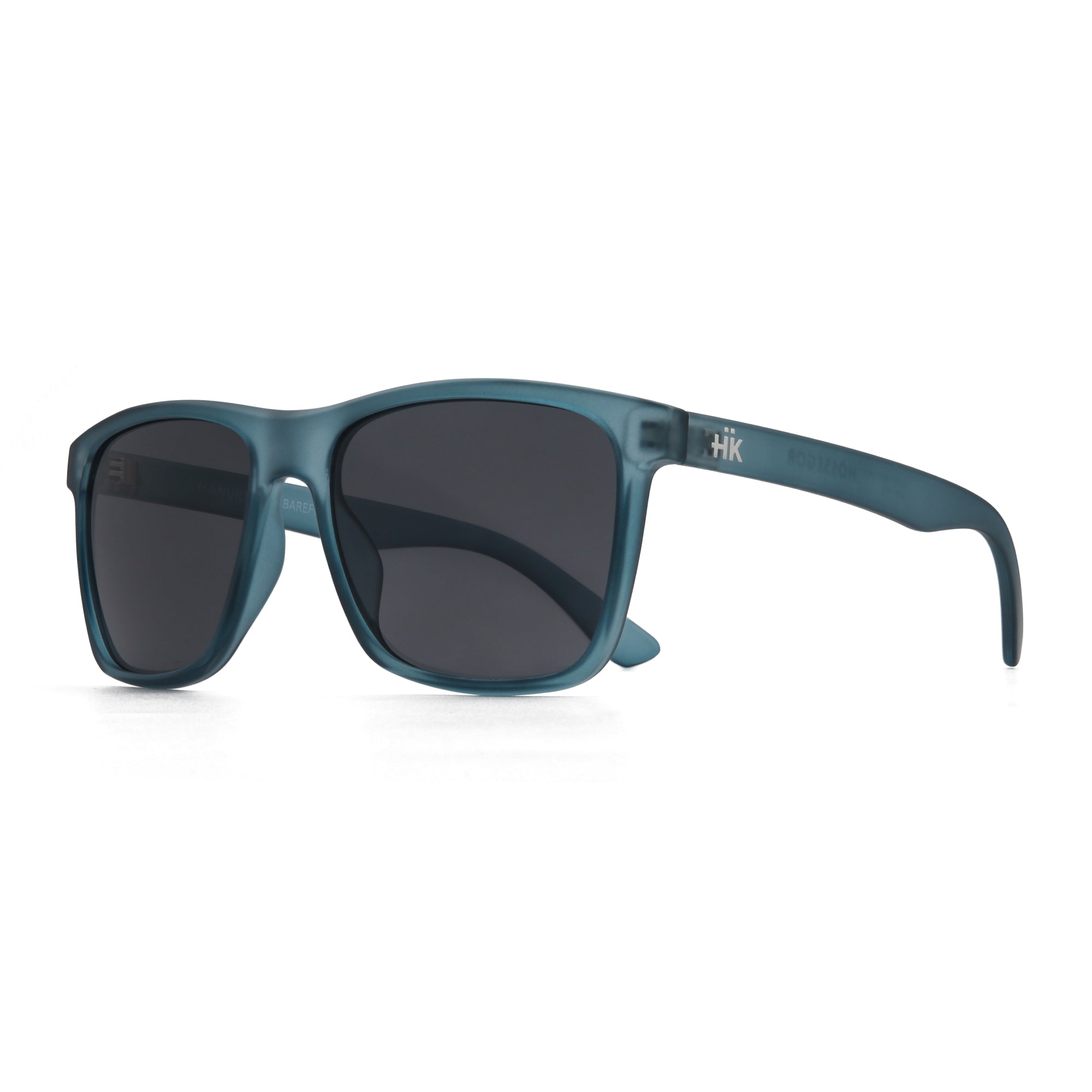
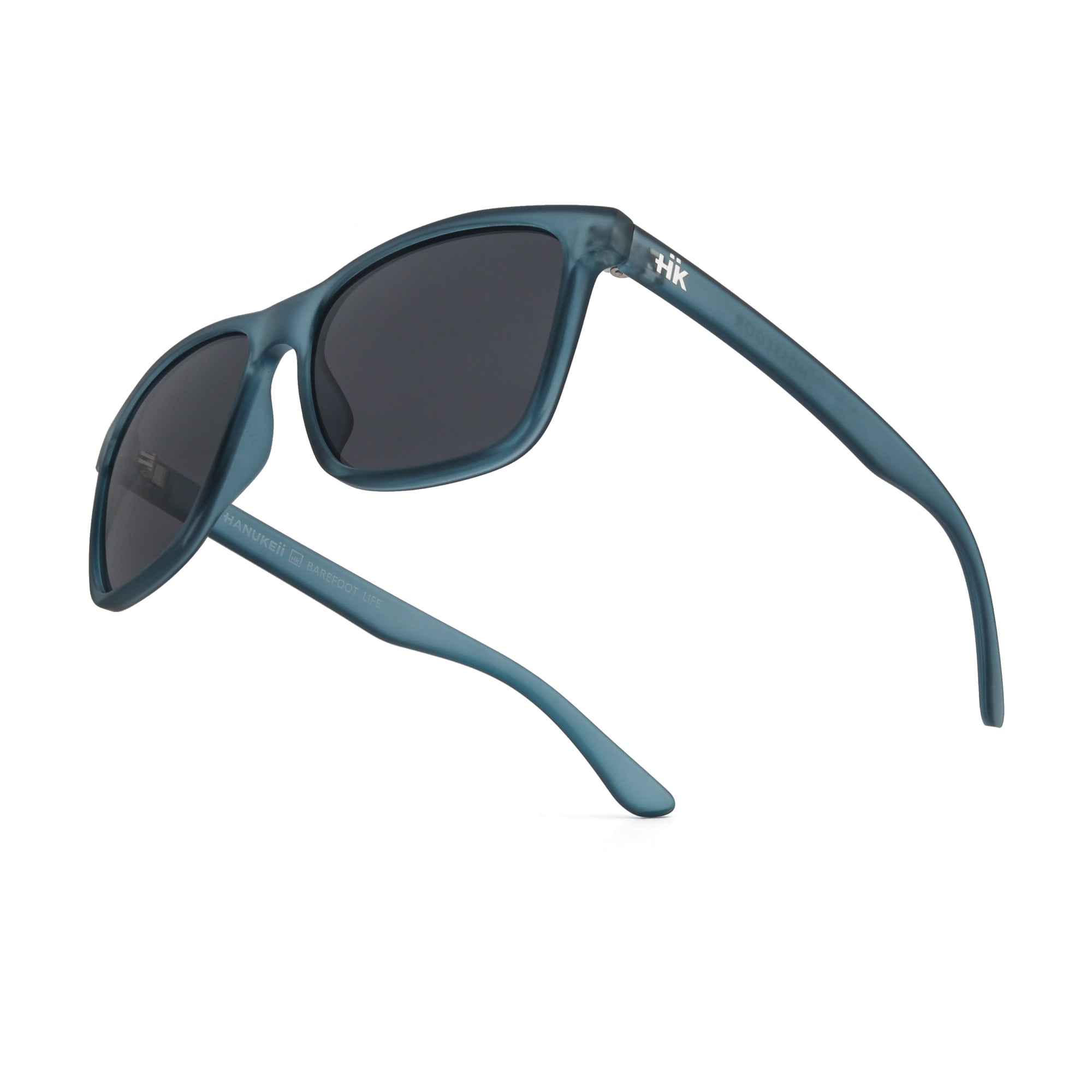
Practicing sports outdoors has something that can’t be replicated indoors. The light, the wind, the terrain, the effort, the concentration, and that feeling of truly using your body. It doesn’t matter if you run, trek, bike, surf, train in the mountains, or simply go for a walk to clear your head: when sport happens outside, the environment is part of the experience.
And precisely because of that, the gear matters. Not just the shoes, technical clothing, backpack, or sun protection. Also the sports glasses. Because your eyes are constantly working when you move: reading the terrain, calculating distances, detecting obstacles, adapting to changes in light, and helping you react in time.
Often we think of sports glasses as just another accessory, something that completes the look or is only needed on very sunny days. But in reality, they serve a much more important function: protecting your eyes from solar radiation, wind, dust, glare, insects, branches, sweat, and all those small aggressions that appear when you train or practice sports outdoors.
A good pair of sports glasses shouldn’t bother you, move around, or distract you. They should accompany you so that you barely remember you’re wearing them. They must protect, fit well, be lightweight, offer comfortable vision, and be prepared for the type of activity you practice.
If you are looking for glasses designed for an active life, you can discover our collection of The Indian Face sunglasses, designed to accompany you in the city, on the road, at the beach, in the mountains, and outdoor life.
Quick response: Sports glasses protect your eyes from the sun, wind, dust, glare, and weather while you train outdoors. To choose well, look for UV protection, lenses suitable for brightness, lightweight frames, good fit, durability, and comfort during movement.

The important things about sports glasses in 5 points
- UV protection: sports glasses should protect against solar radiation, not just darken vision.
- Good fit: they must stay stable during movement, without slipping or being too tight.
- Lightweight: the lighter they are, the more comfortable they are during long training sessions.
- Right lens: you don’t need the same lens for running in the sun as for training in shade, snow, or cloudy days.
- Real use: running, cycling, surfing, trekking, skiing, or urban training have different needs.
Why it’s important to be prepared when you do sports
Going out to practice sports is one of the best decisions you can make for your physical and mental health. But going out without the right gear can turn a good experience into something uncomfortable or even risky.
When you do outdoor sports, you’re exposed to factors beyond your control: changes in light, wind, heat, cold, dust, sand, water, branches, insects, glare, sweat, or uneven surfaces. Each of these factors can affect your performance and comfort.
When it comes to your eyes, exposure is constant. While you run, pedal, or walk, you can’t afford to be squinting all the time, wiping sweat off the lenses, or adjusting glasses that don’t fit well. All that distracts and reduces concentration.
That’s why good sports glasses should be part of your basic gear. Just as you wouldn’t go running with uncomfortable shoes, you shouldn’t train with glasses that don’t protect or that move with every step.
Sport and physical exercise: similar, but not the same
Although we often use the words sport and exercise as if they were the same, they are not always. Both involve movement, energy expenditure, and health benefits, but they have different nuances.
Practicing a sport usually involves a specific discipline, with technique, rules, goals, specific training, and often competition. Cycling, running, surfing, skiing, climbing, trail running, or tennis are clear examples.
Doing physical exercise, on the other hand, can be a planned activity to improve health, stay active, or maintain physical condition. It can be walking, strength training, mobility exercises, yoga, jogging, or following structured routines without competing.
Both forms of movement are valuable. Both can be done outdoors. And both require some preparation if we want to enjoy them safely and consistently.
Benefits of practicing sports and exercise
Sports provide physical, mental, and emotional benefits. They not only improve physical condition but also help release tension, clear the mind, build confidence, and connect with a sense of progress.
- Improves physical, joint, and muscular condition.
- Helps maintain a healthy weight.
- Strengthens the cardiovascular and respiratory systems.
- Enhances coordination, mobility, and balance.
- Reduces sedentary behavior and boosts daily energy.
- Releases endorphins and can improve mood.
- Helps set goals and maintain discipline.
- Improves self-esteem and sense of capability.
- Allows you to discover new places and live outdoor experiences.
In adventure sports, these benefits are amplified. The mountain, sea, snow, wind, or road add a challenge component that transforms the activity into something deeper. You don’t just train your body. You also train attention, confidence, and adaptability.

The role glasses play in sports performance
Sports glasses don’t make you run faster or climb better on their own. But they can help you maintain more comfortable, stable, and protected vision. And that matters a lot in sports.
When the light bothers you, you squint. When there’s glare, you lose clarity. When the wind blows, your eyes water. When sweat falls on the lens, you get distracted. When glasses move, you start thinking about them instead of the terrain.
Good glasses reduce those small distractions. They protect you from the environment and allow you to focus on what matters: breathing, rhythm, technique, line, wave, descent, route, or next step.
In fast or technical disciplines, clear vision can be even more important. In cycling, skiing, trail running, climbing, or water sports, correctly anticipating the environment helps you move with more confidence.
What good sports glasses should have
| Feature | Why it matters | Especially useful in |
|---|---|---|
| UV protection | Helps protect eyes from solar radiation. | All outdoor sports. |
| Lightweight frame | Reduces discomfort during long training sessions. | Running, trekking, cycling. |
| Good fit | Prevents glasses from moving with sweat or movement. | Trail running, cycling, adventure sports. |
| Polarized lenses | Reduce glare on water, snow, asphalt, or sand. | Driving, beach, fishing, snow, cycling. |
| Good coverage | Protects against wind, dust, insects, and side light. | Cycling, mountain biking, skiing, water sports. |
| Durability | Withstands real use, backpack, light bumps, sweat, and outdoor conditions. | Any active sport. |
Sun protection: the point you should never compromise on
Solar radiation affects both the skin and the eyes. That’s why when you train outdoors, using sunscreen is not enough. You should also protect your eyes.
Sports glasses must have protection against ultraviolet rays. Don’t rely only on the lens being dark. A dark lens without proper protection can give a false sense of security. What matters is not only how much it darkens but what it filters.
UV400 protection is a common reference in quality glasses, as it indicates the lens is designed to block ultraviolet radiation up to 400 nm. If you’re going to spend hours outside, this type of protection should be a priority.
In high-exposure sports like mountain, beach, snow, cycling, or water sports, this point becomes even more important.
Polarized lenses: when they make sense in sports
Polarized lenses help reduce glare that appears on surfaces like water, snow, asphalt, sand, or glass. In sports, this can make a significant difference.
If you do road cycling, light can reflect off the asphalt. If you surf, paddle surf, or fish, the water creates constant glare. If you ski or do mountain activities in snow, the snow reflects a lot of light. If you run in open areas or near the sea, reflections can also be annoying.
In all these cases, a polarized lens can provide a more relaxed and less harsh vision. It doesn’t mean it’s essential for everything, but it is a very interesting feature if your activity takes place in bright environments.
That said: polarization and UV protection are not the same. Good glasses should combine both.

Running glasses
In running, lightness and stability are essential. Running glasses should stay in place without squeezing. If they slip with sweat or bounce with every stride, they become a distraction.
They should also offer a clear view of the surroundings. In the city, you need to see curbs, pedestrians, bicycles, cars, and traffic lights. In trail running, you need to read stones, roots, mud, descents, shadows, and terrain changes.
For sunny days, a dark lens of the appropriate category can be very useful. For cloudy days, a lighter or contrast lens may work better. The important thing is to choose according to the actual training conditions.
Cycling glasses
In cycling, eyes are especially exposed. Speed increases the impact of wind, dust, insects, and small particles. Also, light changes can be constant: sun, shade, tunnels, trees, open road, or wet surfaces.
A good pair of cycling glasses should have coverage, stability, and a wide field of vision. If you wear a helmet, check that the arms don’t bother you. If you use a GPS or bike computer, keep in mind that some polarized lenses can darken certain screens from specific angles.
Visual comfort in cycling is not just a matter of pleasure. It also helps maintain concentration for longer.
Glasses for surfing and water sports
In water sports, reflections are key. The sea, rivers, lakes, and wet surfaces constantly reflect light. That’s why polarized lenses can be especially useful in activities like surfing, paddleboarding, sailing, kayaking, or fishing.
In these environments, besides UV protection and polarization, it’s important to take good care of your glasses. Salt, sand, and water can damage the frame and lenses if not cleaned afterward. Rinsing them with fresh water and drying with microfiber is a simple gesture that extends their lifespan.
If there is a risk of falling into water, it may also be advisable to use retention accessories.
Glasses for trekking, hiking, and mountain activities
In the mountains, the light changes constantly. You can walk through shadows, enter an open area, cross a river, pass over light-colored rock, or climb to higher altitude. Your eyes adapt again and again.
For trekking and hiking, glasses must be comfortable for hours. Here, protection is not the only important factor, but also prolonged comfort. A frame that is heavy, tight, or moves can ruin a long route.
Look for lightweight, durable glasses with good coverage and lenses suited to the brightness. If there is snow or high mountains, more specific protection may be necessary.
Ski and snow goggles
Snow reflects a lot of light, which is why eye protection in winter sports is essential. If you ski or snowboard, often the best option is a specific mask because it offers greater coverage against wind, snow, and possible falls.
But for station walks, snowy mountains, driving in snowy areas, or less technical activities, good sunglasses can be very useful if they have UV protection, a good lens category, and sufficient coverage.
In snow, brightness can be intense even in cold weather. Don’t confuse low temperature with low sun exposure.

Prescription sports glasses
If you have myopia, hyperopia, astigmatism, or presbyopia, you shouldn’t practice sports seeing worse than necessary. Seeing well is part of safety, especially in activities where the terrain changes or speed matters.
There are solutions for prescription sports glasses: direct corrective lenses, internal optical clips, or combining contact lenses with sports glasses. The best option will depend on your prescription, your sport, and your personal comfort.
If you need vision correction, consult an optician before choosing a frame. Not all sports glasses support every prescription, especially if they are very curved or wraparound.
How to choose sports glasses according to the light
You don’t always train in the same light. That’s why the type of lens should adapt to the environment.
- Sunny days: dark lenses, appropriate category, and polarized if there are reflections.
- Cloudy days: lighter or contrast lenses to avoid darkening too much.
- Mountain: good UV protection, coverage, and comfortable lenses for changing light.
- Snow: high protection, appropriate category, and sufficient coverage.
- Water: polarized lenses to reduce reflections from the sea, lakes, or rivers.
- City: versatile lenses that don’t distort important signals or colors.
Common mistakes when choosing sports glasses
- Buying just for looks: pretty glasses might not be suitable for active movement.
- Not checking UV protection: dark lenses don’t guarantee protection.
- Choosing a frame that moves: in sports, fit is essential.
- Not considering the specific sport: running, surfing, cycling, or snow sports all have different needs.
- Ignoring the weight: heavy glasses can become uncomfortable after a while.
- Not caring for the lenses: sweat, salt, and dust can damage them.
- Using the same lens for any light: doesn’t always work.
How to care for your sports glasses
Sports glasses are exposed to more wear and tear than casual glasses. Sweat, dust, sand, salt, minor impacts, backpacks, and temperature changes are part of their normal life.
After training, clean them if they are dirty. Use water, mild soap, and a microfiber cloth. Do not clean them with your shirt if they have dust or sand, as you could scratch the lenses.
If you use them near the sea, rinse them with fresh water to remove salt. If you take them to the mountains, check that no particles remain in the hinges or nose bridge. And always store them in their case when not in use.
Taking good care of them is an easy way to make them last longer and continue providing comfortable vision.

Frequently asked questions about sports glasses
Are glasses necessary for outdoor sports?
Yes, they are highly recommended. They help protect your eyes from the sun, wind, dust, glare, insects, and other environmental factors.
Are regular sunglasses good for sports?
It depends on the activity. For light exercise, they may be fine if they offer good protection, but for running, cycling, mountain sports, or technical sports, it is better to use lighter, stable glasses adapted to movement.
What glasses are best for running?
The best glasses for running are lightweight, stable, comfortable, with UV protection, and lenses suited to the light in which you train.
Are polarized glasses good for sports?
Yes, especially in sports with glare: water, snow, asphalt, sand, or shiny surfaces. They reduce glare and provide visual comfort.
What glasses to use on cloudy days?
On cloudy days, lighter or contrast lenses can work, always with UV protection. It is not advisable to use lenses that are too dark if there is little light.
Can I use prescription sports glasses?
Yes. There are prescription sports glasses, internal optical clips, and other solutions. It is advisable to consult an optician to choose the right option.
Where to buy sports glasses?
You can find models designed for outdoor and active life in the The Indian Face sunglasses collection.
Conclusion
Doing outdoor sports is one of the best ways to take care of your body, clear your mind, and connect with your surroundings. But to truly enjoy it, you need to prepare well. Sports glasses are part of that preparation.
They protect your eyes, reduce discomfort, help against glare, and allow you to maintain focus when the environment changes. They are not just an accessory. They are a tool to move with more comfort, safety, and freedom.
Choose glasses that suit your sport, your face, and the light in which you train. Because when the gear is right, everything flows better: the rhythm, the route, the movement, and the adventure.