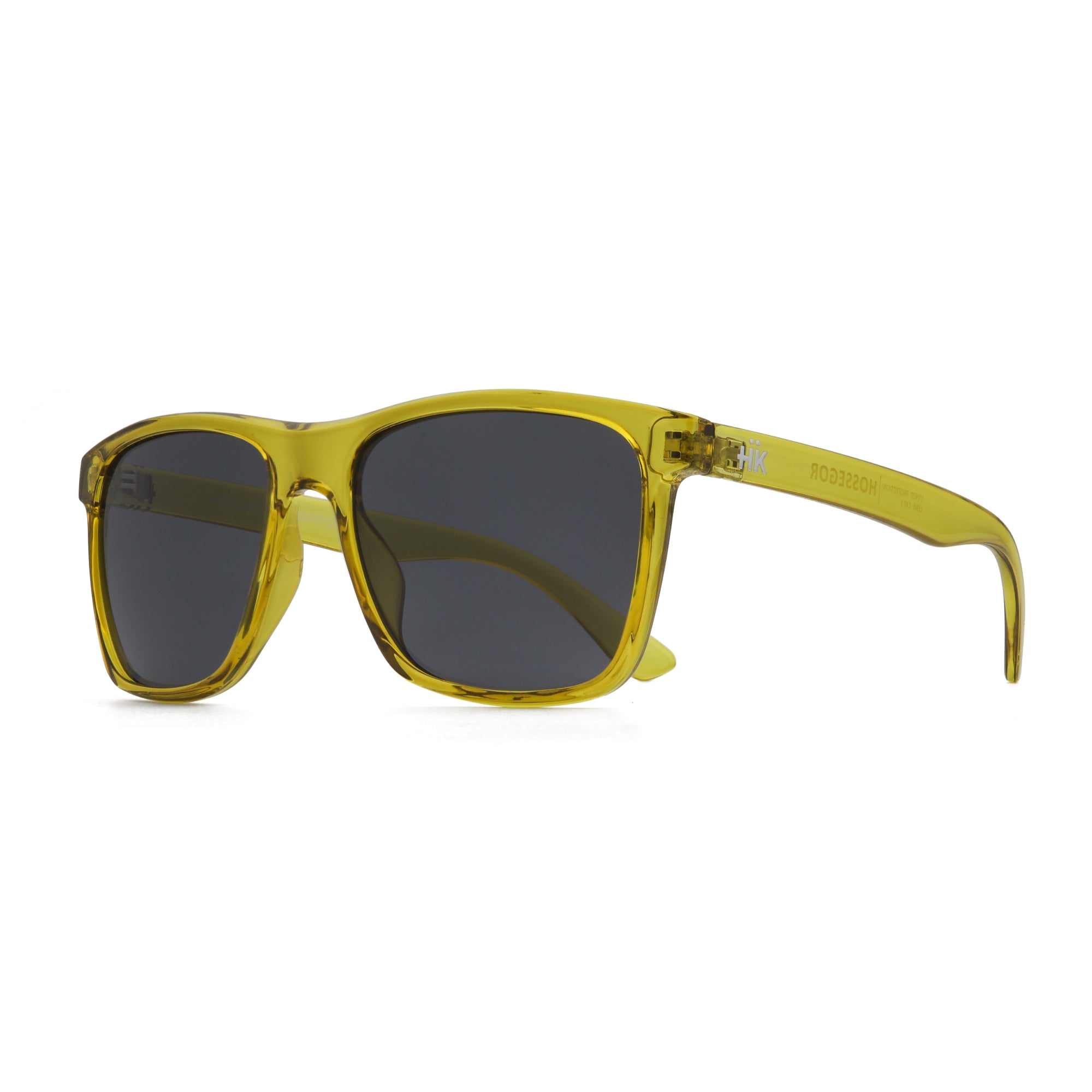
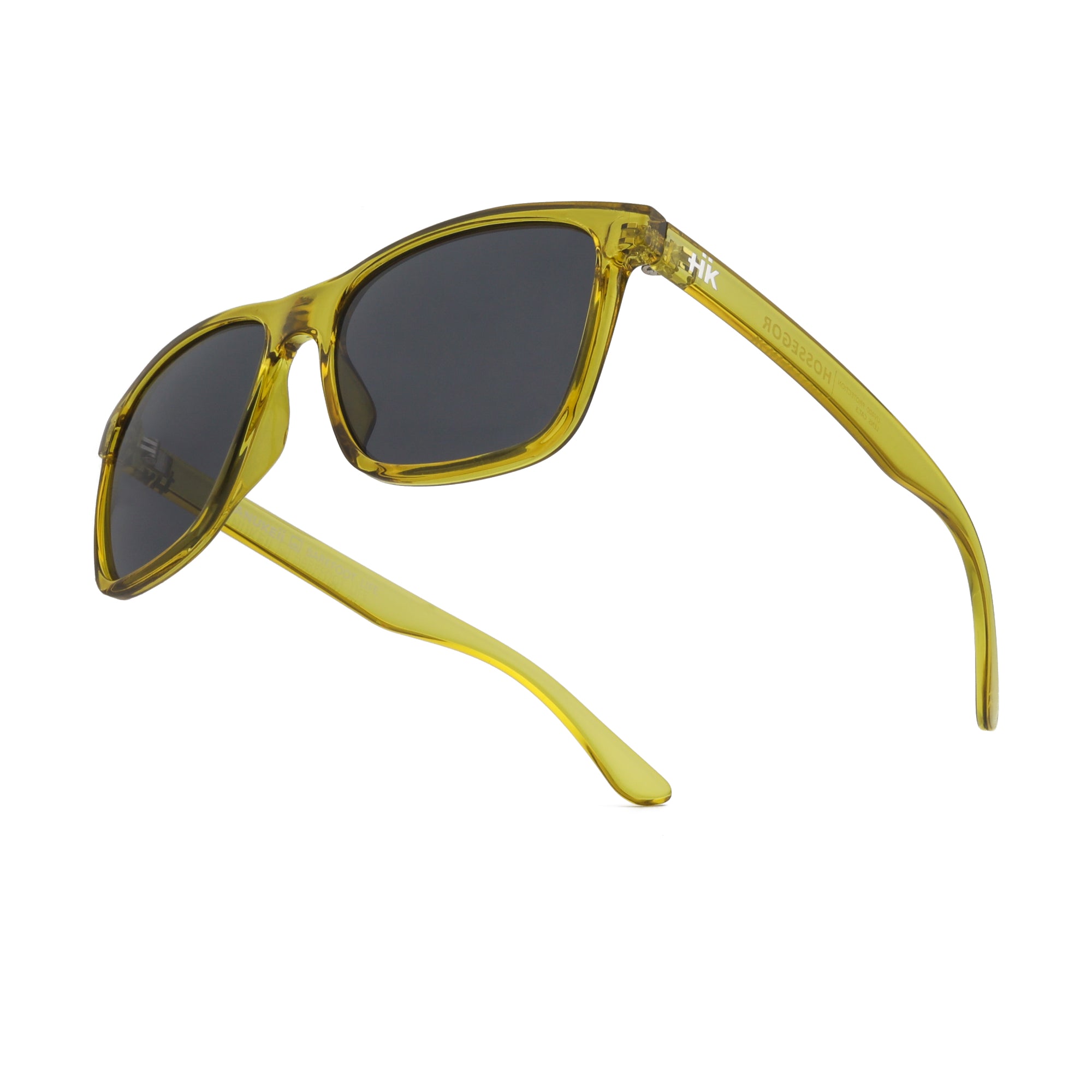
Some sunglasses are chosen for style. Others, for comfort. And then there are polarized sunglasses: the ones you truly start to appreciate when you use them on the road, near the sea, in the mountains, on very bright days, or anytime reflections stop being just a nuisance and start to tire your eyes.
For a long time, polarized lenses were associated with water sports, driving, fishing, snow, or very specific activities. Today, however, they make much more sense in daily life. You don’t need to be a professional athlete or work outdoors all day to notice the difference. Just driving in low sun, walking through a bright city, spending an afternoon at the beach, or going on a mountain getaway is enough.
The difference between regular sunglasses and polarized ones isn’t just that “things look darker.” That’s a common misconception. Polarization doesn’t simply aim to reduce the amount of light but to filter some of the reflections that occur when light bounces off surfaces like water, asphalt, snow, glass, or sand.
That’s why good polarized sunglasses can provide more comfortable vision, less glare, and a more relaxed visual experience. They don’t change the world in front of you, but they can help you see it better.
At The Indian Face, we see sunglasses as a practical item: city, road, beach, mountain, travel, sports, and everyday life. Not just to complete a look, but to accompany you when you go out and want to protect your eyes without giving up style.

What exactly are polarized sunglasses
Polarized sunglasses have a special filter in their lenses. This filter is designed to reduce some of the reflected light that reaches your eyes from certain surfaces. Direct sunlight can already be intense, but the light bouncing off water, roads, snow, or glass can be even more uncomfortable.
Think of a summer day by the sea. You don’t just get light from above. You also get it from the water’s surface, the sand, the light-colored rocks, or even nearby objects. Something similar happens when you drive: the asphalt, windshield, the hood of other cars, or signs can reflect flashes that strain your eyes.
A polarized lens helps filter some of that glare. That’s why many people notice clearer, more stable, and less tiring vision when they wear them in bright environments.
The key is to understand that not all dark glasses are polarized. A lens can be very dark and still not reduce reflections in the same way. Likewise, glasses can have a sporty or mirrored look and not necessarily offer adequate protection if they don’t have real filters.
Polarization and UV protection: two different things
It is important to differentiate between polarization and UV protection. Polarization helps reduce reflections. UV protection helps protect against ultraviolet radiation. They are two different features, although ideally good glasses combine both.
A polarized lens without adequate UV protection would not be a good choice. And glasses with UV protection but not polarized can protect against radiation but do not reduce reflections in the same way. That’s why, when we talk about quality sunglasses, it’s important to consider the whole package: UV protection, lens category, comfort, material, fit, and polarization if needed.
The darkness of the lens should not be confused with protection. A dark lens can give a feeling of rest, but if it doesn’t have a UV filter, it is not fulfilling its main function. Choosing well is not about picking the darkest glasses, but the ones that protect and best suit real use.
Advantages of polarized sunglasses
Polarized glasses have very clear advantages, especially if you spend time outdoors. They are not an empty trend or a feature designed just to sound technical. The difference is especially noticeable in situations with constant reflections.
The first advantage is glare reduction. This can be very useful when driving, walking near water, being in the snow, doing road sports, or spending hours on very bright surfaces.
The second advantage is visual comfort. By reducing some unnecessary glare, the eyes work with less effort. You don’t have to squint as much or constantly adjust your gaze to intense flashes.
The third advantage is the feeling of sharpness. By reducing reflections, some details of the environment can be perceived more clearly. This does not mean the lens “enhances” vision, but that it eliminates part of the visual interference that was previously bothersome.
The fourth advantage is the reduction of eye fatigue. During long days of driving, at the beach, in the mountains, or doing sports, the eyes can get very tired. A polarized lens can help make that exposure more bearable.
And the fifth advantage is their versatility. Although they were originally closely linked to specific activities, today they make sense in many contexts: city, road, beach, mountain, travel, sports, and daily use.
Why reflections are so annoying
Reflections are one of the most uncomfortable forms of light. They do not provide clear information. They do not help you see better. They simply dazzle, saturate your vision, and force your eyes to work harder.
On the road, reflections can appear on the asphalt, on the hood of other vehicles, or on the windshield. At the beach, the water and sand multiply brightness. In the mountains, clear surfaces, rivers, rocks, or snow can create very intense glare. In the city, shop windows, windows, cars, and facades also constantly reflect light.
That visual effort is not always immediately noticeable. Sometimes you don't feel "pain," but you do feel tired at the end of the day, need to squint a little, have tension in your forehead, or feel discomfort. Polarized glasses are designed precisely to help in those situations.
Polarized glasses for driving
Driving is one of the moments when a good polarized lens is most appreciated. When you're behind the wheel, your eyes work continuously: signs, lanes, cars, pedestrians, mirrors, changes in light, shadows, tunnels, low sun, and reflections.
Reflections on the road can be especially annoying on long trips or during low sun hours. The asphalt can shine, the windshield can reflect light, other cars can create flashes, and all that forces you to strain your eyes.
Polarized glasses help reduce some of that glare, making daytime driving more comfortable. They don't replace attention, rest, or caution, but they can improve the visual experience.
For driving, it's best to choose glasses with UV protection, good optical quality, an appropriate lens category, and colors that do not distort signs or traffic lights. Category 3 lenses usually work well on sunny days, but category 4 lenses should not be used for driving because they reduce visibility too much.
It's also worth remembering that sunglasses are not for driving at night. At night you need maximum visibility, a clean windshield, and, if applicable, your regular prescription glasses.
Polarized glasses for beach and pool
The beach is one of the environments where the value of polarization is understood the fastest. The water constantly reflects light. The sand does too. If the day is clear and you spend several hours outdoors, your eyes can end up very tired.
Polarized glasses help reduce some of those reflections, making it more comfortable to look at the sea, walk along the shore, or spend time near the water. It's not just about looking stylish. It's about not struggling with glare all day long.
Something similar happens in the pool. The water, the clear surfaces, the pool edge, and the open surroundings create constant brightness. Often we wear glasses when we arrive, but we take them off just when we remain exposed: when getting out of the water, sitting on the edge, or walking around.
If you’re going to use polarized glasses at the beach or pool, remember to take good care of them. Salt, chlorine, sand, and sunscreen can dirty them. Ideally, rinse them afterward with fresh water, clean them with mild soap if necessary, and dry them with microfiber.

Polarized glasses for sports and active living
Active people usually notice a big difference with a good lens. Running, cycling, trekking, hiking, surfing, paddle surfing, climbing, skiing, fishing, driving, or long trips are activities where the eyes are exposed for quite a long time.
In sports, you’re not just looking for sun protection. You also need to read the terrain, anticipate obstacles, maintain concentration, and protect your eyes from wind, dust, sand, branches, or small particles.
Polarized lenses are especially useful in sports where there are reflections: water, snow, road, light rock, sand, or metallic surfaces. They reduce glare and help make vision more comfortable for longer.
That said, fit is also very important in sports. The glasses must be lightweight, not move, not pinch, and allow good peripheral vision. An excellent lens in an uncomfortable frame will not be a good training companion.

Polarized glasses in snow and mountains
Snow is one of the environments where you need to be most careful with your eyesight. Its white surface reflects a lot of light and can cause very intense glare. Even if it’s cold, solar radiation is still present. And in the mountains, altitude can also increase exposure.
Polarized glasses can help reduce reflections on the snow, but in this environment, polarization alone is not enough. UV protection, lens category, side coverage, and type of activity also matter.
For skiing or snowboarding, a specific snow mask may be more suitable. For walks, driving in mountain areas, breaks at the station, or less technical activities, good sunglasses can be very useful if they have adequate protection.
In the mountains without snow, the situation also requires caution. The light changes quickly, you can walk between shade and sun, cross areas of light rock, or approach rivers and lakes. A comfortable and well-chosen lens helps you enjoy the journey more.
Polarized glasses for professionals who work outdoors
Not only athletes benefit from polarized lenses. They can also be very useful for professionals who spend many hours outdoors: drivers, lifeguards, instructors, guides, construction workers, maintenance staff, farmers, fishermen, or people who work near the sea or on the road.
In these cases, exposure is not occasional. It is daily. And when intense light is part of the job, visual comfort stops being a luxury and becomes a necessity.
Polarized glasses can reduce glare, improve clarity, and help reduce eye fatigue during long days. The key, again, is to choose models with real protection, good optical quality, and a comfortable frame.
How to know if glasses are polarized
There are several simple ways to check if glasses are polarized. The most direct is to check the product information, the label, or the inside of the temple. Many glasses include the word polarized or a mark indicating polarization.
You can also do a test with an LCD screen, like that of a mobile phone, computer, or some digital panels. Look at the screen through the lens and slowly rotate the glasses. If the lens is polarized, at certain angles the screen may darken a lot or even almost disappear.
Another test is to look at a reflective surface, such as water, glass, or a shiny table, and rotate the glasses. If the reflection changes intensity, the lens is likely polarized.
Still, the best option is always to buy glasses from a reliable brand and check their technical features. Polarization should be accompanied by adequate UV protection.
Which lens category to choose
Sunglass lenses are classified by categories according to the amount of visible light they let through. This category does not replace UV protection but helps choose the right glasses for each brightness level.
- Category 1: light lenses for low brightness or cloudy days.
- Category 2: medium intensity lenses for moderate brightness.
- Category 3: dark lenses for high brightness, beach, mountain, daytime driving, and outdoor use.
- Category 4: very dark lenses for extreme conditions, such as high mountains or intense snow. They should not be used for driving.
For many daily and outdoor situations, category 3 is usually a very versatile option. It works well on sunny days, trips, beach, mountain, and road. But it is always advisable to choose according to activity, environment, and light sensitivity.

Which lens color to choose in polarized glasses
The lens color influences the aesthetics and also the visual sensation. It does not determine protection by itself, but it can change how you perceive the environment.
Gray lenses are very versatile because they reduce brightness without altering colors too much. They are a good option for driving, city use, and general use.
Brown lenses provide warmth and contrast. They can be comfortable for mountain, hiking, driving, and activities where better relief perception is important.
Green lenses offer balanced and natural vision. They work well outdoors and are usually comfortable for prolonged use.
Blue or mirrored lenses have a sportier and fresher vibe. They can work well at the beach, on the road, and in bright environments, as long as the category is appropriate.
Reddish or orange lenses can provide contrast in certain conditions and have a more energetic look.
How to choose good polarized sunglasses
Choosing polarized sunglasses should not depend only on whether you like how you look in the mirror. There are several factors worth checking to make the right choice.
- UV protection: essential to protect your eyesight.
- Real polarization: it should be indicated on the product sheet or label.
- Appropriate category: according to the level of brightness and use.
- Comfort: the frame should be light and not tight.
- Good fit: especially if you will use them for sports or driving.
- Lens quality: look for sharpness and absence of distortions.
- Durable style: better a pair you can wear a lot than a trend that tires quickly.
At The Indian Face you can find sunglasses designed for high brightness, beach, mountain, driving, and daily use. Models with outdoor aesthetics, comfort, and a more relaxed vision for those who spend more time outside than inside.
Discover the collection of polarized sunglasses The Indian Face and choose the model that best fits your way of moving.
Common mistakes when buying polarized sunglasses
- Confusing dark lenses with protection: they are not the same.
- Thinking that polarized automatically means UV protection: these are different features.
- Buying just for aesthetics: sunglasses should protect and be comfortable.
- Not considering the activity: beach, driving, snow, or city may require different lenses.
- Choosing an uncomfortable frame: if it bothers you, you will stop wearing it.
- Not caring for the lenses: scratches reduce visual comfort.
- Using lenses that are too dark for driving: category 4 is not suitable behind the wheel.
How to care for polarized sunglasses
A good pair of polarized sunglasses needs proper care. Do not clean them with your t-shirt, especially if there is dust, sand, or salt. First rinse with water if they are very dirty, use mild soap when necessary, and dry with a clean microfiber cloth.
Do not use alcohol, glass cleaner, paper towels, napkins, or harsh products. They can damage the lenses or coatings. Also, don’t place the glasses face down on hard surfaces.
Always keep them in their case when not in use. In a backpack, purse, or glove compartment, they can easily get scratched if loose next to keys, coins, or zippers.
If you wear them at the beach, rinse them with fresh water afterward to remove salt and sand. If you use them for sports, clean sweat and dust before storing them.
Frequently asked questions about polarized sunglasses
What does it mean for glasses to be polarized?
It means their lenses include a filter designed to reduce reflections from surfaces like water, snow, asphalt, sand, or glass.
Do polarized glasses offer more protection?
They protect better against glare, but UV protection depends on the lens’s UV filter. Ideally, choose polarized glasses with adequate UV protection.
Are they good for driving?
Yes, for daytime driving they can be very useful because they reduce reflections on asphalt, windshields, and other vehicles. They should not be used at night.
Are they good for the beach?
Yes. At the beach, they help reduce reflections from water and sand, making vision more comfortable on very bright days.
How can I check if they are polarized?
You can look at an LCD screen through the lens and rotate the glasses. If the screen darkens a lot at certain angles, they are probably polarized.
What lens category is recommended?
For outdoor use and bright days, category 3 is usually very versatile. In extreme conditions, another category may be required, but category 4 should not be used for driving.
Where to buy polarized sunglasses?
You can find different models in the The Indian Face sunglasses collection.
Conclusion
Polarized sunglasses are one of those choices that make more sense when you use them. They reduce glare, provide visual comfort, and help you enjoy environments where light can be intense: road, beach, mountain, snow, water, city, or sports.
They’re not just a trend or a technical detail written on a label. They’re a way to see with less effort. And when combined with UV protection, the right lens category, a comfortable frame, and a design that suits you, they become an essential piece for spending more time outdoors.
Because the best glasses aren’t just the ones that look good in a photo. They’re the ones that truly accompany you when you go out, drive, travel, train, walk, or simply look at the world eager to stay outside.