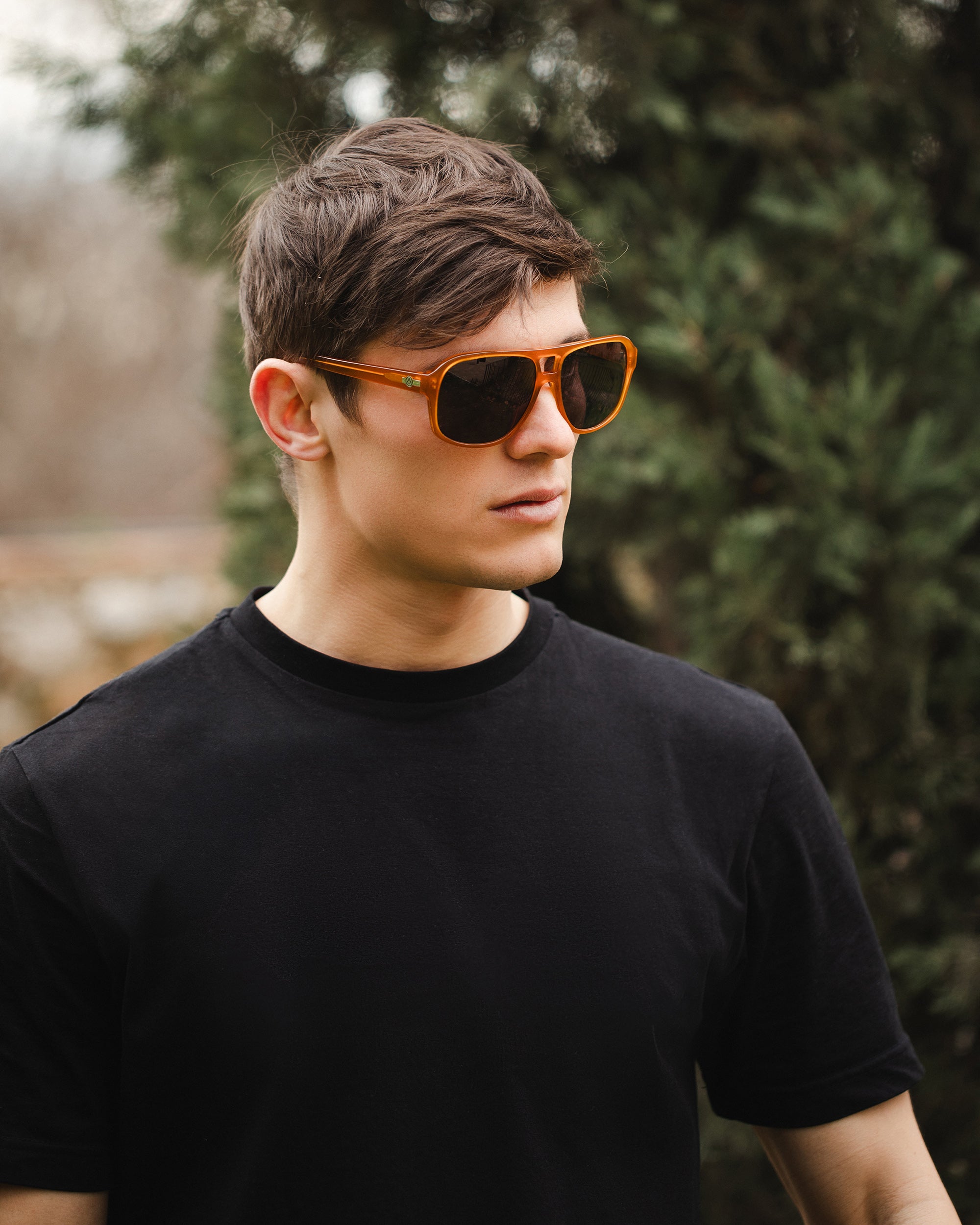
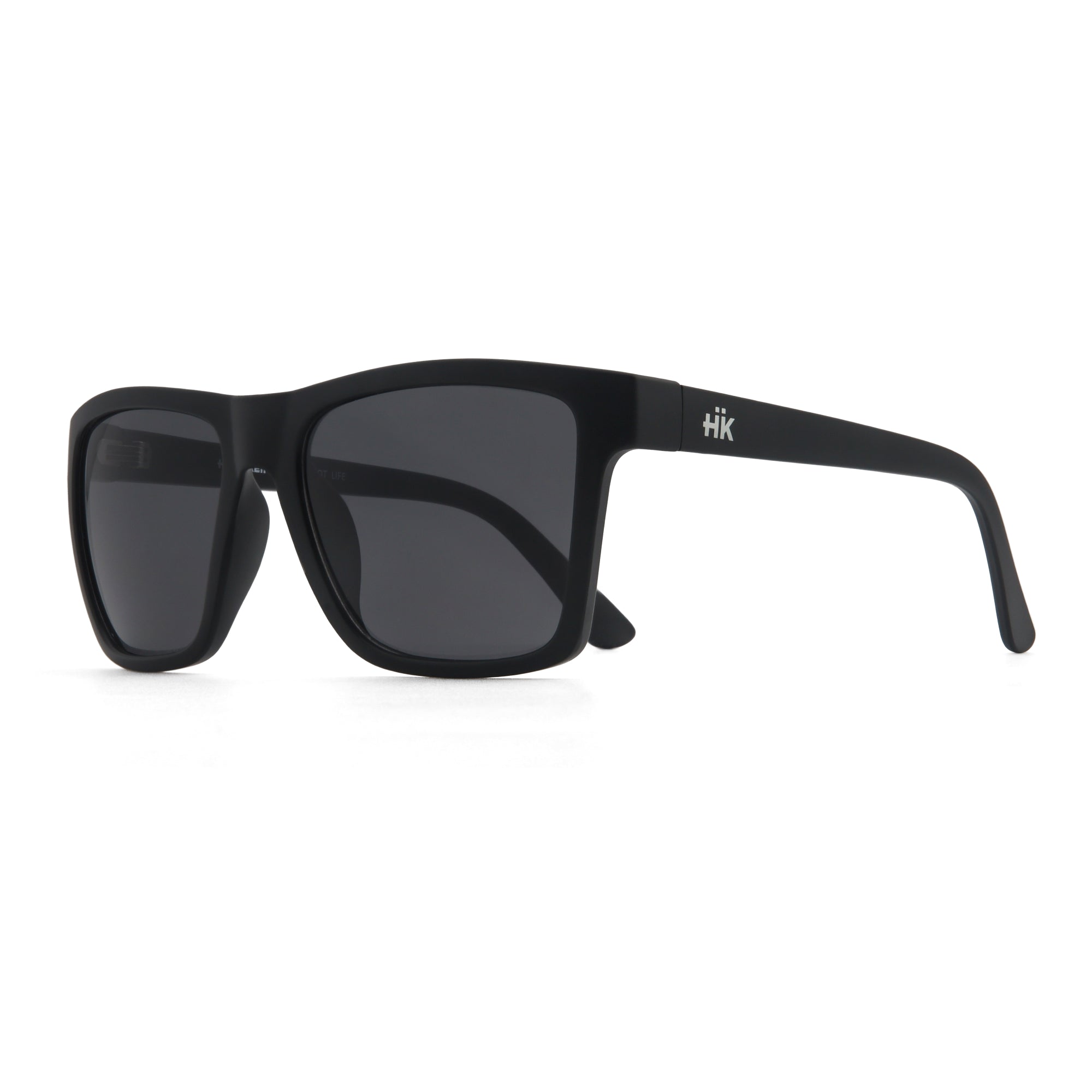
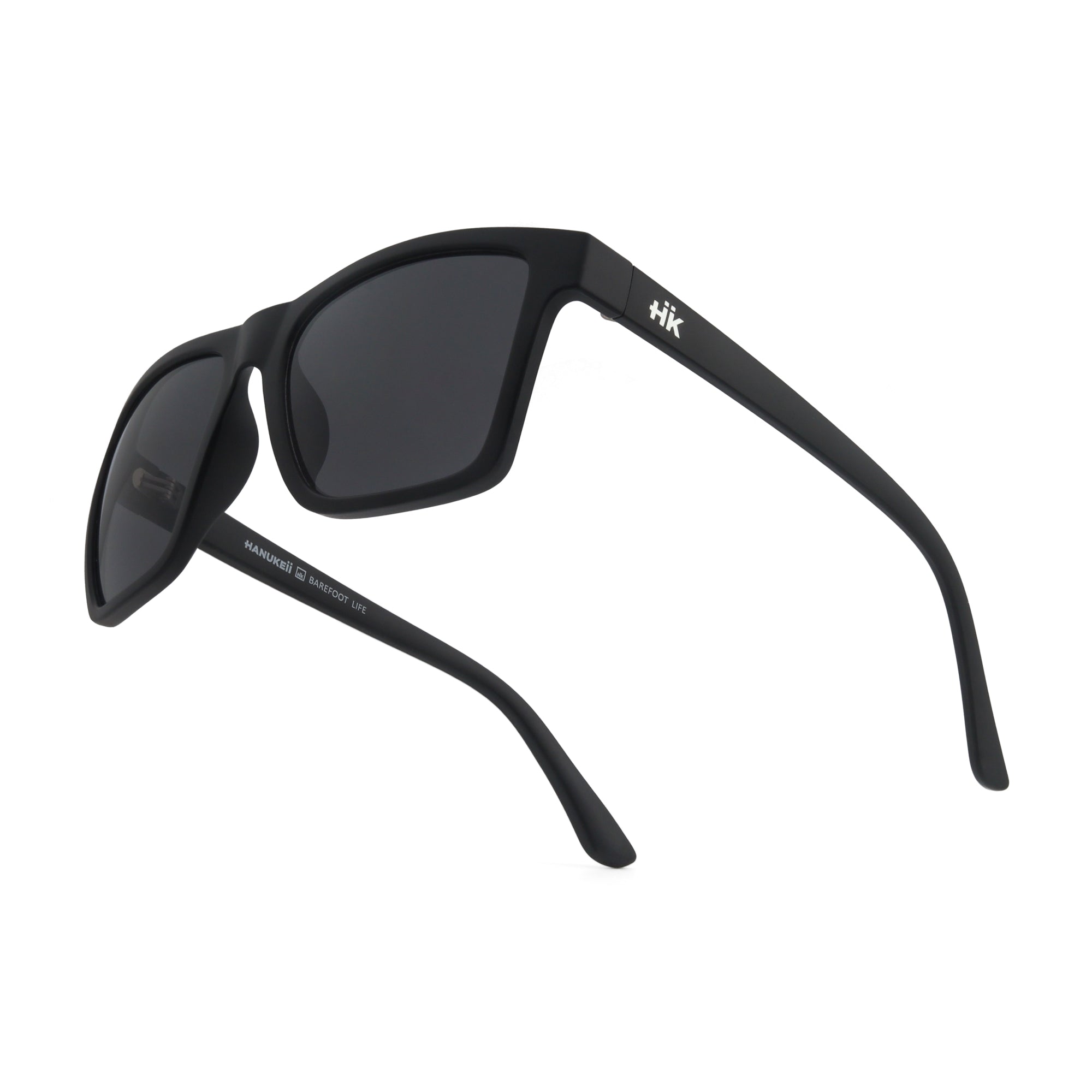
Buying sunglasses may seem like a simple decision. You see a frame you like, try it on, it fits your style, and seems enough. But good sunglasses shouldn’t be chosen just for aesthetics. They should also protect your eyes, adapt to the use you will give them, and offer comfortable vision in the moments you need them most: road, beach, mountain, city, snow, sports, or travel.
Sunglasses have much more history than we imagine. From the first systems used to reduce intense light in snowy environments to modern sunglasses with UV protection, polarized lenses, lightweight frames, and designs made for an active life, this accessory has evolved enormously. What started as a practical need also became a style piece.
But the main idea remains the same: protect the eyes and improve visual comfort. A nice pair of glasses that doesn’t protect properly can be a bad choice. A dark lens without the right UV filter can give a false sense of security. An uncomfortable frame can end up forgotten in a drawer. And glasses that don’t fit your real use may not accompany you when you need them most.
In this guide, we tell you how to buy sunglasses wisely: what to look for before choosing, why UV protection is essential, the difference between polarized and mirror effect lenses, how lens colors influence, and which mistakes to avoid.
If you’re looking for sunglasses designed to protect, accompany, and be part of an outdoor life, you can discover our collection of The Indian Face sunglasses.
Quick answer: To buy good sunglasses, check that they have UV400 protection or 100% UVA/UVB blocking, choose a lens category suitable for your use, consider if you need polarization to reduce glare, and make sure the frame is comfortable. Don’t buy just for aesthetics or because the lens is dark.
In this article you will see:
- Why sunglasses have such a long history.
- What UV protection really means.
- The difference between dark lenses, polarized lenses, and mirror effect.
- Which lens color to choose according to your use.
- Common mistakes when buying sunglasses.
- Common questions before choosing a model.

Sunglasses were born from a very simple need: to protect the eyes and see better in difficult conditions.
The important things before buying sunglasses in 5 points
- UV protection: look for glasses with UV400 protection or 100% blocking of UVA and UVB rays.
- Don’t rely only on color: a dark lens doesn’t necessarily mean better protection.
- Consider polarization: it’s very useful if you drive, go to the beach, play sports, or are bothered by reflections.
- Choose according to your use: city, mountain, beach, snow, and sports don’t require exactly the same glasses.
- Comfort matters: glasses that are heavy, tight, or move too much will end up staying at home.
Sunglasses have a long history
Sunglasses didn’t suddenly appear as a fashion accessory. Their origin is related to a very practical need: to reduce intense light and protect the eyes in harsh environments.
One of the most interesting precedents is found among the Inuit peoples of the Arctic regions of North America. They used flattened pieces made from materials like bone, wood, or ivory, with small horizontal slits that allowed them to see while reducing the glare caused by snow. They weren’t sunglasses like today’s, but they addressed the same problem: too much light entering the eyes.
The use of smoked lenses in China is also often mentioned, where some judges used dark lenses not so much to protect themselves from the sun but to hide their expressions during trials. This shows something curious: since ancient times, dark lenses have had not only a visual function but also a symbolic one. They protected, concealed, communicated distance, or added a certain authority.
Over time, sunglasses evolved. Optics advanced, materials improved, and society began to better understand the importance of protecting the eyes from light and radiation. From the 20th century onward, with the growth of tourism, driving, the beach, cinema, and outdoor sports, sunglasses became an essential accessory.
Today, sunglasses can be many things at once: eye protection, a sports tool, a style piece, a travel accessory, and part of a lifestyle connected to the outdoors.

Buying sunglasses shouldn’t just be a matter of style: it’s also a decision about protection and visual comfort.
What ultraviolet rays are and why they matter
The sun not only produces visible light and heat. It also emits ultraviolet radiation, known as UV radiation. This radiation is invisible but can affect both the skin and the eyes. That’s why we protect ourselves with sunscreen, caps, hats, and, of course, suitable sunglasses.
When we talk about sunglasses, protection against UVA and UVB rays is one of the most important aspects. It’s not enough for a lens to just look dark. What you need is for the glasses to indicate UV400 protection or 100% blocking against UVA and UVB radiation.
This difference is key. A very dark lens without adequate protection can cause the pupil to dilate because less visible light enters, but if it doesn’t filter UV radiation well, real protection is not guaranteed. That’s why lens color should not be the only purchase criterion.
Useful fact: UV400 means the lens is designed to block ultraviolet radiation up to 400 nanometers. It is one of the common references you should look for when buying sunglasses.
Sunglasses must have UV protection
This is the most important point of the entire guide. Sunglasses must protect against ultraviolet radiation. If they don’t, they may be an aesthetic accessory, but not a good tool for eye protection.
When buying glasses, check the product sheet, label, or manufacturer information. Look for expressions like UV400, 100% UV protection, or UVA/UVB blocking. If you have doubts about glasses you already own, many opticians can check UV protection with specific meters.
It is also advisable to avoid glasses of dubious origin or without clear information. An attractive frame, a dark lens, or a low price do not guarantee protection. If you are going to use the glasses on the road, beach, mountain, or for many hours outdoors, lens quality matters a lot.
At The Indian Face, we value the combination of design, protection, and real use. Because glasses shouldn’t just accompany you in a photo, but also on the road, at the beach, in the mountains, and in all those moments where light is part of the plan.

UV protection is not visible to the naked eye. That’s why it’s always advisable to check the technical information of the glasses.
Polarized, mirror effect, and dark lenses: they are not the same
When buying sunglasses, many words appear: polarized, mirror, category 3, UV400, dark lenses, colored lenses, sun filter. It is important to understand them to avoid confusion.
Polarized glasses incorporate a filter designed to reduce reflections from surfaces such as water, snow, asphalt, sand, or glass. They are very useful for driving, going to the beach, practicing outdoor sports, or spending time in high-brightness environments.
Mirror-effect lenses have a reflective finish that reduces some visible light and provides a very recognizable look. But the mirror finish alone does not guarantee UV protection. This must be checked separately.
Dark lenses reduce the amount of visible light reaching the eyes but do not guarantee ultraviolet radiation protection by themselves. Protection depends on the lens filter, not on how dark it appears.
| Lens type | What it provides | What you should check |
|---|---|---|
| Dark lens | Reduces visible light and general glare. | It should have adequate UV protection. |
| Polarized lens | Reduces reflections on water, snow, asphalt, sand, or glass. | It should also have UV protection. |
| Mirror-effect lens | Reduces some visible light and provides a sporty look. | Do not confuse it with automatic UV protection. |
| Clear lens with UV | It can protect against UV even if it is not dark. | It should indicate UV400 or UVA/UVB blocking. |
Be careful with lens color
The lens color influences the visual experience but should not be confused with protection. Many people believe that the darker the lens, the more it protects. This is not true. A clear lens can have full UV protection, and a very dark lens may not protect properly if it lacks the appropriate filter.
The color serves to adapt vision to different conditions. It can improve contrast, reduce brightness, maintain natural colors, or provide a more comfortable visual sensation depending on the environment.
That’s why, when choosing a color, think about two things: first, that the glasses have UV protection; second, what type of use you will give them.

A dark lens can be comfortable, but real protection depends on the UV filter.
Which lens color to choose according to use
There is no single perfect color for all situations. Each shade can offer a different experience. The important thing is to choose based on your actual use.
- Gray lenses: reduce brightness while maintaining a fairly natural perception of colors. They are very versatile for city use, driving, and daily wear.
- Amber or brown lenses: provide warmth and can enhance contrast. They work well in the mountains, driving, hiking, and on days with variable light.
- Red or pink lenses: can help improve depth perception and contrast in certain low-light conditions or sports environments.
- Green lenses: offer balanced vision, reduce eye strain, and maintain a pleasant perception of the surroundings.
- Yellow lenses: are usually used on cloudy days, fog, or low light situations because they can increase the sense of contrast.
- Blue or mirrored lenses: have a sportier look and can work well in bright environments, as long as the category and protection are appropriate.
Note The Indian Face: The best lens color is not the most striking one. It’s the one that lets you see comfortably in the environment where you will actually use your glasses.

Lens color can improve visual comfort but should always be accompanied by UV protection.
How to choose sunglasses based on your use
If you want them for daily use
Look for a comfortable, lightweight frame that’s easy to match. Gray, green, or brown lenses usually work very well for urban use, walks, terraces, travel, and occasional driving.
If you drive often
Prioritize UV protection, good optical quality, and polarized lenses if reflections bother you. Avoid lenses that are too dark. Category 4 lenses should not be used for driving.
If you go to the beach often
Polarization can be very useful because it reduces reflections from water and sand. It’s also good to choose a sturdy frame and clean the glasses afterward to remove salt, sand, and sunscreen.
If you do mountain or hiking
Look for good UV protection, comfort for hours, and lenses that adapt to light changes. In high brightness areas, a category 3 is usually versatile. In snow or high mountains, more specific protection may be needed.
If you do outdoor sports
Besides the lens, fit matters. The glasses should be stable, lightweight, durable, and not move with sweat. For running, cycling, or trekking, comfort during movement is essential.
Lens category: another detail you should check
Besides color and UV protection, it’s important to check the lens category. This category indicates how much visible light the lens lets through. It doesn’t replace UV protection but helps determine if the glasses are suitable for more or less brightness.
| Category | Regular use | Recommendation |
|---|---|---|
| Category 1 | Cloudy days or low brightness. | Useful for soft light, not for intense sun. |
| Category 2 | Medium brightness. | Good for daily use with moderate sun. |
| Category 3 | High brightness, beach, mountains, daytime driving. | Very versatile for outdoor use and sunny days. |
| Category 4 | Extreme light conditions, high mountains, or intense snow. | They should not be used for driving. |

The lens category helps you choose based on the amount of light, but it does not replace UV protection.
Remember: sunglasses are not suitable for everything
Sunglasses protect against sunlight under normal conditions, but they are not designed to look directly at the sun or to protect against extremely intense light sources.
They should not be used to look at welding, tanning lamps, very intense artificial light sources, or solar eclipses without specific protection. In those cases, certified equipment designed for that specific exposure is needed.
It’s also wise to use common sense: if a situation causes extreme light or significant discomfort, normal sunglasses aren’t enough. Protection must be appropriate for the risk.
Common mistakes when buying sunglasses
- Buying just for aesthetics: you may like the frame, but the lens must protect.
- Believing a dark lens always protects: protection depends on the UV filter, not the color.
- Confusing polarized with UV protection: polarization reduces glare but doesn’t replace the UV filter.
- Assuming the mirror effect is enough: the mirror finish alone doesn’t guarantee protection.
- Not considering the actual use: driving, beach, mountain, and city don’t require exactly the same thing.
- Choosing an uncomfortable frame: if it’s heavy, tight, or moves, you’ll stop wearing it.
- Not caring for the lenses: sand, salt, sweat, or dust can scratch them if you clean them improperly.
Infographic for buying sunglasses
A good infographic can help you remember the basics before choosing: UV protection, lens type, color, category, fit, and main use. The important thing is not to buy blindly. A good pair of glasses should make sense for your style but also for your eyes.

Before buying, always check protection, lens, comfort, and actual use. Aesthetics are important, but they shouldn’t be the only criterion.
How to care for your glasses after buying them
Buying well is only the first step. Taking good care of your glasses will make them last longer and maintain better visual comfort.
Clean them with water and mild soap when they’re dirty. Always use a microfiber cloth. Don’t clean them with your t-shirt if they have dust or sand, as you could scratch the lens. Do not use alcohol, household glass cleaners, napkins, or paper towels.
Keep them in their case when you’re not using them. Don’t leave them loose in your backpack, bag, or glove compartment alongside keys, coins, bottles, or zippers. And if you take them to the beach, rinse them with fresh water afterward to remove salt and sand.
Note from The Indian Face: A good pair of glasses is not just measured by how they look on the first day, but by how they accompany you after many trips, routes, roads, beaches, and sunny days.
Frequently asked questions about how to buy sunglasses
What should I look for before buying sunglasses?
The most important thing is to check that they have UV400 protection or 100% blocking against UVA and UVB rays. Then, consider lens category, polarization, comfort, fit, and main use.
Does a dark lens protect more?
Not necessarily. Dark color reduces visible light, but real protection depends on the UV filter. A clear lens can also protect if it has the appropriate filter.
What does UV400 mean?
UV400 indicates that the lens is designed to block ultraviolet radiation up to 400 nanometers. It is a common reference in sunglasses with good sun protection.
Do polarized sunglasses offer more protection?
They protect better against reflections but not necessarily against UV radiation. Ideally, choose polarized sunglasses that also have adequate UV protection.
What lens color is best?
It depends on the use. Gray for natural vision, brown or amber for contrast, green for balance, yellow for low light, and blue or mirrored for sporty aesthetics and high brightness, always with UV protection.
Which sunglasses are best for driving?
For daytime driving, polarized lenses or category 3 lenses with good optical quality usually work well. Category 4 lenses should not be used for driving.
Where to buy sunglasses with protection and outdoor style?
You can find models designed for city, beach, road, mountain, and active life in the The Indian Face sunglasses collection.
Conclusion
Buying sunglasses should not be an impulsive decision based only on design. A good pair should please you, yes, but it should also protect, be comfortable, and adapt to your way of experiencing the outdoors.
UV protection is essential. The lens category helps you choose according to brightness. Polarization can make a difference if you drive, go to the beach, or are bothered by reflections. The lens color can improve your visual comfort. And the frame should accompany you without weighing down, squeezing, or distracting.
In the end, the best sunglasses are not just the ones that look good in the mirror. They are the ones that truly accompany you when you go out: on the road, at the beach, in the mountains, in the city, on a route, or any plan that starts with light and ends in memory.
Discover our collection of The Indian Face sunglasses and find a model that combines protection, design, and outdoor spirit for your everyday life.