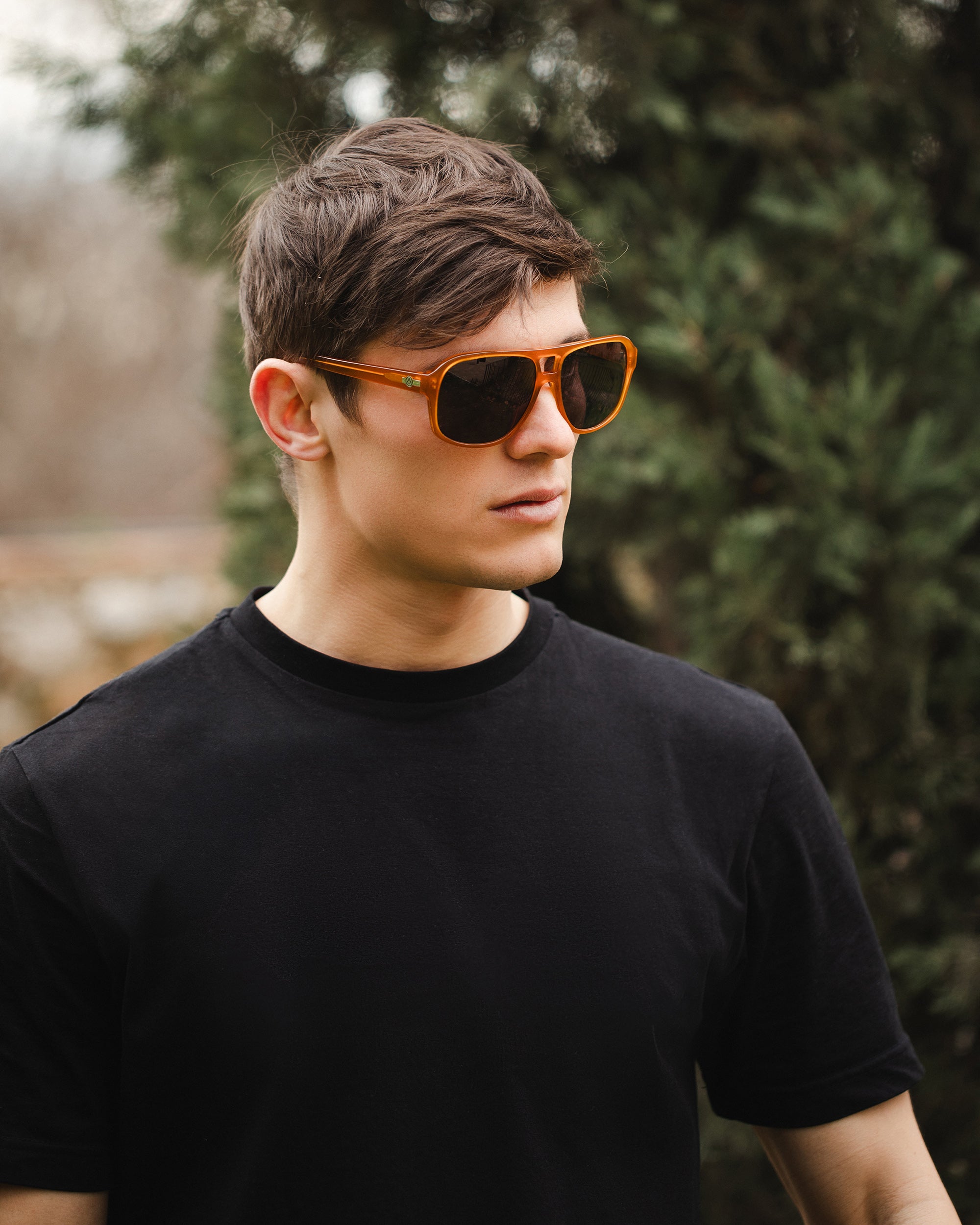
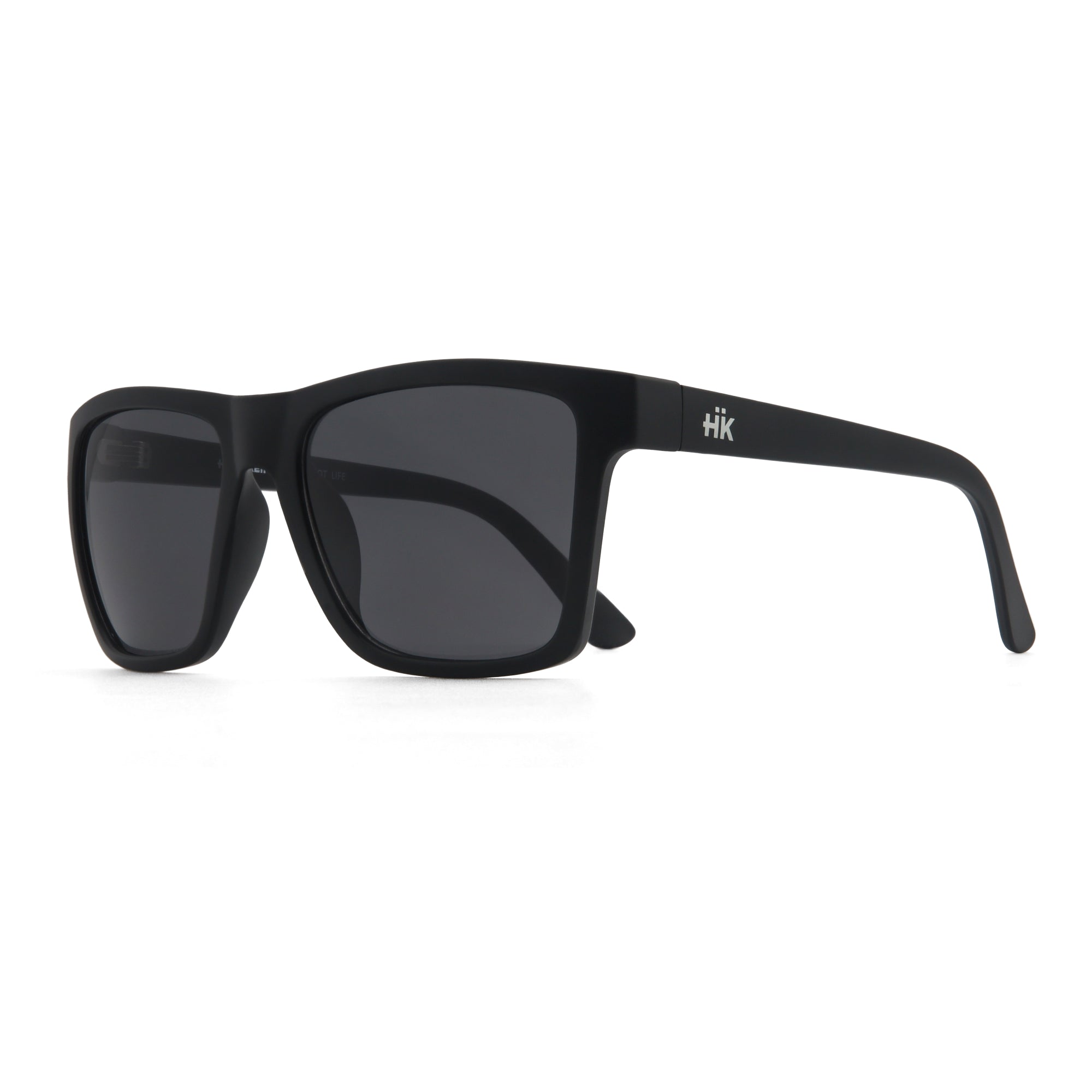
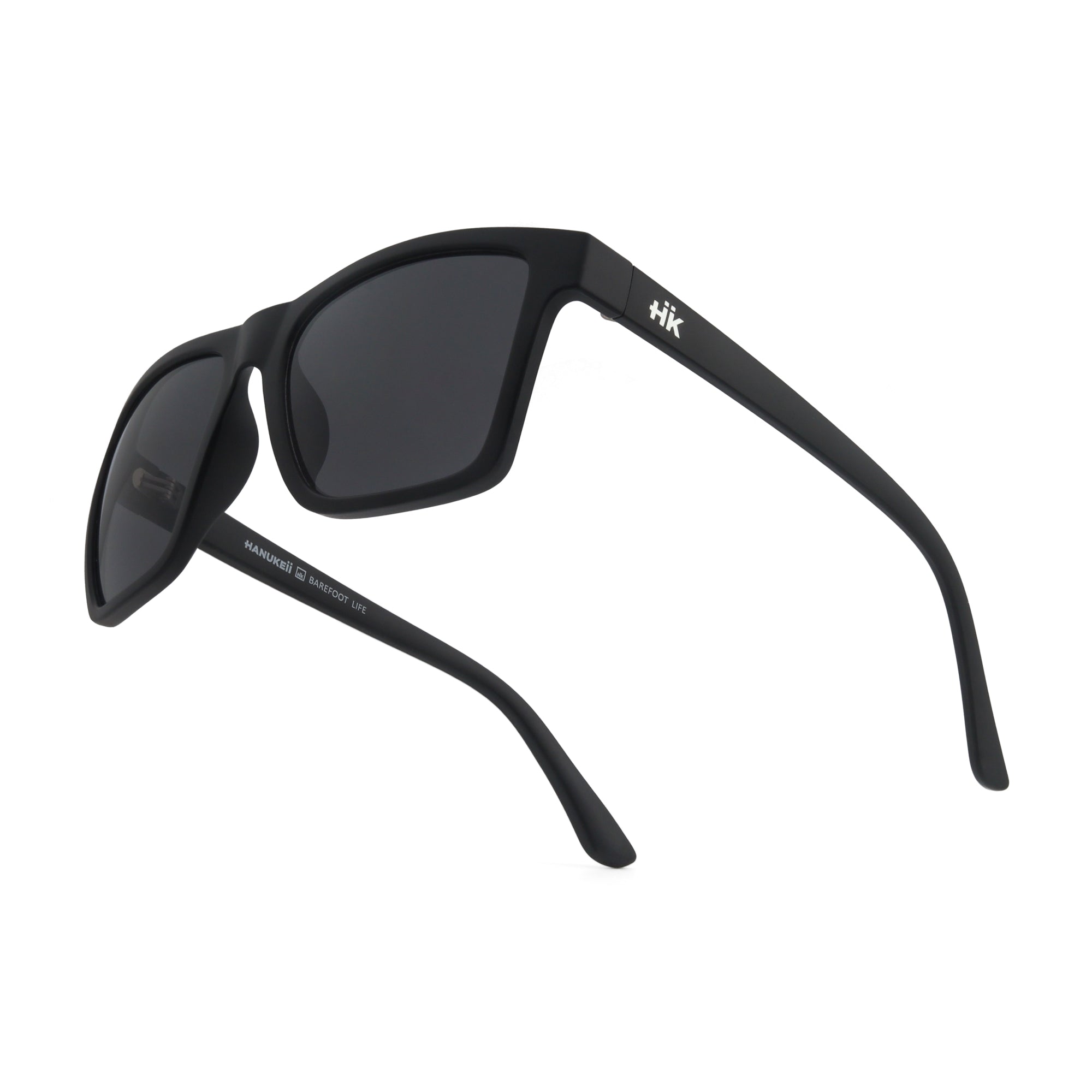
If you practice adventure sports like running, trekking, cycling, hiking, skiing, mountain activities, or any outdoor activity, you know vision isn’t a minor detail. It’s one of your most important tools. You see the terrain, calculate distances, anticipate obstacles, detect light changes, react to movement, and maintain focus throughout the route.
When vision isn’t properly corrected or protected, sports stop feeling natural. You can lose precision, strain your eyes, squint, misjudge depth, or tire sooner than expected. That’s why prescription sports glasses aren’t just a solution to see better. They’re a way to practice sports with more safety, comfort, and confidence.
In outdoor sports, the eyes work constantly. They focus near and far, use peripheral vision, adapt to light changes, read the terrain’s relief, and react to quick stimuli. On a mountain route, a bike descent, a trail run, or a day of skiing, seeing well can make a huge difference.
Also, the eyes are exposed to much more than just lack of prescription: solar radiation, wind, dust, branches, insects, reflections, snow, humidity, sweat, or sudden changes in brightness. That’s why, if you have myopia, hyperopia, astigmatism, presbyopia, or any specific visual need, it’s best to choose a solution that combines optical correction, protection, and performance.
In this guide, we answer the most common questions about prescription sports glasses: when to use them, their advantages, how they work, what alternatives exist, what to ask for at the optician, and how to choose a frame that truly fits your sport.
And if you’re also looking for sunglasses for an active life, you can discover our collection of The Indian Face sunglasses, designed for city, beach, mountain, road, and outdoor spirit.

Why vision is so important in outdoor sports
In many sports, vision guides movement. You don’t just look where you’re going. You interpret the environment. You detect irregularities on the ground, read the path of a curve, calculate a distance, anticipate a rock, a root, a step, a branch, or a slope change.
In city running, a slight lack of sharpness might not seem so serious. But in trail running, mountain biking, skiing, technical hiking, or climbing, any loss of visual precision can affect safety and performance.
When you don’t see well, your body compensates. You strain your eyes, tense your face, squint, and lose naturalness. That causes fatigue. And visual fatigue doesn’t always show up as immediate pain. Sometimes it feels like general tiredness, lack of concentration, headache, or a feeling of insecurity when moving.
Prescription sports glasses allow you to correct that limitation without giving up a frame designed for movement. That’s the key: it’s not enough to use regular prescription glasses for sports. Nor is it enough to use non-prescription sports glasses if you really need optical correction. The ideal solution must adapt to both worlds.
What to do if you have an eye condition and want to do sports
If you have myopia, hyperopia, astigmatism, presbyopia, or any other visual condition, the first thing is to know your current prescription clearly. Many people keep using an old prescription without realizing it no longer offers the same clarity. In sports, that small mismatch is more noticeable.
It’s recommended to visit an optometrist to check your vision and confirm what type of correction you need. From there, you can consider different solutions: direct prescription sports glasses, inner optical clips, contact lenses combined with sports glasses, or adaptable frames.
The choice will depend on your sport, your prescription, the curvature of the frame, your light sensitivity, the type of lens you need, and the comfort you seek. Not all sports glasses can be prescribed the same way. Some frames have a lot of curvature, which can complicate a direct prescription. Others allow for an inner piece where the prescription lens is placed.
That’s why it’s important to choose quality glasses and consult an optician before assuming anything. The idea is not to improvise, but to find a solution that really works in motion.
What are prescription sports glasses
Prescription sports glasses are glasses designed to protect and accompany physical activity, but adapted to a specific visual need. Unlike conventional prescription glasses, they usually have a more wraparound frame, lighter materials, better fit, and a shape designed for movement.
Prescription can be incorporated in different ways. In some models, the outer lenses can be made directly with the user's prescription. In others, an inner optical clip is used: a small transparent or discreet frame placed behind the sports lens that contains the prescription.
This second option is often very interesting because it allows you to keep the outer sports lens—for example, polarized, mirrored, category 3, or designed for high brightness—and add the necessary visual correction inside.
The goal is for you to see well without losing protection against sun, wind, dust, or reflections. And, above all, without having to choose between sharp vision and sports comfort.

Benefits of wearing prescription sports glasses
Choosing prescription sports glasses has clear advantages, especially if you practice sports frequently. It’s not just about seeing better. It’s about performing with more precision, protecting your eyes, and feeling that your gear keeps up with your pace.
Proper vision in motion
The first benefit is obvious: seeing well. A good prescription allows better focus, more precise distance calculation, and quicker reactions. In sports like cycling, trail running, skiing, or technical trekking, that sharpness is essential.
When you use non-prescription sports glasses but need correction, you may be protecting your eyes from the sun, but you’re not solving your vision problem. And when you use regular prescription glasses without sports protection, you might see well, but you’re not protected against wind, reflections, or minor environmental impacts.
Prescription sports glasses aim to combine both needs: vision and protection.
More comfort during activity
A well-chosen sports frame fits the face better. It doesn’t move as much, doesn’t bounce, doesn’t fall off the nose, and doesn’t require constant readjustment. This is especially noticeable in long-duration sports.
In a race or a route, every distraction counts. If the glasses slip, pinch, or bother you, they stop being a help. That’s why comfort must be a priority. Prescription is important, but fit is too.
Protection against the outdoors
When you practice outdoor sports, your eyes are exposed. The wind can dry them out. Dust can irritate them. Branches or small particles can bother you. The sun can dazzle you. Snow, water, or the road can create intense reflections.
A suitable sports goggle acts as a barrier. It does not replace other safety measures, but it helps protect your eyes from many common outdoor hazards.
Less visual fatigue
When you see poorly, you strain. When there is too much light, you strain. When there are reflections, you strain. All that effort adds up and can cause visual fatigue.
A pair of prescription sports glasses well adjusted to your vision and activity can reduce that strain. You see more clearly, suffer less glare, and maintain a more comfortable visual sensation for longer.
More confidence
Confidence also matters. When you see well and know your glasses won’t move, you can focus better on the sport. You’re not worried about the frame, blurriness, or whether a downhill looks clear. You’re more present in what you’re doing.
Direct prescription glasses or internal optical clip
There are different ways to adapt sports glasses to a prescription. The two most common are direct prescription lenses or using an internal optical clip.
Direct prescription
In this case, the outer lens of the glasses is made with the user’s prescription. It can be a very clean and comfortable solution, but it’s not always possible. It depends on the prescription, the lens curvature, the frame design, and the type of sport.
With very wraparound glasses, direct prescription lenses can be more complex because the curvature affects the optics. That’s why it’s best to consult a professional.
Internal optical clip
The internal optical clip is a very practical solution for many sports glasses. It consists of a small internal frame where the prescription lenses are placed. This piece fits behind the main sports lens.
The advantage is that you can keep the outer lens designed for sun protection, contrast, or shielding, while adding your prescription at the same time. Also, if your prescription changes over time, in many cases you only need to replace the clip lenses.
For many athletes, this is a comfortable, versatile, and easy-to-maintain option.

Is it hard to get used to prescription sports glasses?
Usually, adapting shouldn’t be complicated if the prescription is done correctly and the frame fits well. Still, as with any optical change, there may be a short adjustment period, especially if you’re getting a new prescription or switching from regular glasses to a more wraparound frame.
Ideally, try them first during light activities before using them in a long race, a demanding bike ride, or a full day of skiing. Go for a walk, do a short workout, or test them in a controlled environment. This way, you can check if they move, if the vision is comfortable, if you notice distortion, or if you need any adjustments.
If the glasses have an internal clip, make sure it is properly placed and does not touch your face or eyelashes. It’s also good to check that they don’t fog up easily and that ventilation is sufficient for your activity.
A good fit should feel natural. If you experience dizziness, strong distortion, headaches, or persistent discomfort, return to the optician to check the prescription or the fitting.
Can I use prescription sports glasses without the prescription lenses?
Yes. Adjustable prescription sports glasses don’t necessarily require you to use a prescription from day one. If you don’t need vision correction, you can use them as regular sports glasses. And if you need a prescription later, you can adapt the clip or the corresponding optical solution.
This is also useful if your prescription changes over time. Visual conditions can vary, and it’s advisable to have your eyes checked periodically. If the glasses allow you to change the inner prescription lens, you can update the correction without having to replace the entire frame.
Versatility is one of the great advantages of this system. You can use the same sports frame and adjust the optical part according to your real needs.
Prescription sports glasses for running
In running, lightness and stability are essential. Glasses that bounce, slide with sweat, or press too much quickly become uncomfortable. If you also need prescription lenses, the choice must be even more careful.
For running, look for lightweight glasses with a good nose fit and comfortable temples. The lens should protect against sun, wind, dust, and small insects. On very bright days, a dark or polarized lens can be very useful. On cloudy days, a lighter or higher-contrast lens might be better.
If you run in the city, peripheral vision is also important to spot cars, bicycles, pedestrians, or surface changes. If you do trail running, you need to read the terrain much more precisely: stones, roots, mud, shadows, and uneven ground.
Prescription sports glasses for cycling
In cycling, speed increases the importance of vision. Wind, insects, dust, and changes in light can have a big impact. Also, you need to see the road, path, obstacles, and traffic clearly.
Prescription sports glasses for cycling should provide good coverage, stay stable, and offer a wide field of vision. If you use an inner clip, it’s important that it doesn’t overly limit your field of view or interfere with ventilation.
Polarized lenses can help reduce road glare, but in cycling, it’s also important to consider how you perceive screens, bike computers, or wet surfaces. The ideal choice depends on the type of route and your visual preferences.
Prescription sports glasses for hiking and trekking
In hiking and trekking, your eyes work for many hours. You walk over uneven terrain, changing light conditions, forested areas, open spaces, rock, water, or snow. Good vision helps you walk more safely and with less fatigue.
Here, prolonged comfort comes first. The glasses should not be heavy, should not pinch, and should protect against wind and light. If you carry a backpack, case, and accessories, it’s also important that the frame is durable and easy to store.
For long routes, having comfortable prescription glasses can make the day much more enjoyable. You don’t have to choose between seeing well and protecting yourself from the sun.
Prescription sports glasses for skiing and snow
Snow is one of the most demanding environments for the eyes. It reflects a lot of light, can cause intense glare, and requires serious protection. If you need a prescription, there are several options: ski goggles compatible with optical clips, contact lenses combined with goggles, or prescription sports glasses for less technical situations.
For skiing or snowboarding, goggles are usually the best option because they offer greater coverage against wind, snow, and falls. But for walks at the resort, gentle mountain hikes, or less intense winter activities, prescription sports glasses can be useful if they have adequate protection.
In snow, don’t improvise. UV protection, lens category, and coverage are especially important.

Prescription glasses or contact lenses for sports
Many people hesitate between using prescription sports glasses or contact lenses with non-prescription sports glasses. Both options can be valid, but they don’t work the same for everyone.
Advantages of contact lenses
Contact lenses offer freedom from frames and a wide field of vision. You can wear any sports glasses over them, as long as they provide good protection. For intense sports, many people find them comfortable.
But not everyone tolerates contact lenses well. Wind, dust, dry eyes, allergies, or long days outdoors can make them uncomfortable.
Advantages of prescription glasses
Prescription sports glasses don’t require touching the eye, can be more comfortable for those with dryness or sensitivity, and allow correction to be integrated into a protective frame. They are also a practical solution if you don’t usually wear contact lenses.
The choice depends on your sport, your eyes, and your personal comfort. Ideally, consult with an optician to evaluate the best option.
What you should ask for at the optician
When you bring prescription sports glasses to the optician, it’s important to clearly explain which sport you will use them for. Running in the city is not the same as road cycling, trail running, skiing, or high mountain hiking.
Also indicate if you usually have problems with fogging, light sensitivity, dry eyes, or if you need to see screens, maps, sports watches, or GPS. The more information the professional has, the better they can adjust the solution.
It is also important to check the distance between the lens and the eye, the curvature, the mounting height, and the stability of the clip if there is one. Sports glasses have more variables than everyday glasses.
How to choose good prescription sports glasses
- Stable fit: they must stay in place during movement.
- Lightweight: the lighter they are, the more comfortable they are for long activities.
- Good coverage: better protection against wind, dust, light, and particles.
- Prescription compatibility: not all frames are suitable for every prescription.
- Ventilation: helps reduce fogging.
- Suitable lenses: clear, dark, polarized, or contrast depending on the activity.
- Durable materials: important for outdoor use.
- Protective case: essential for carrying them without damage.
If you are also looking for non-prescription outdoor sunglasses, you can explore the collection of The Indian Face sunglasses, with models designed to accompany an active life in the city, beach, road, and mountains.
How to care for your prescription sports glasses
A pair of prescription sports glasses must be well cared for because they serve a dual function: protect and correct. Clean them with water and mild soap when dirty. Use microfiber, never paper, a t-shirt, or napkins. If they have an inner clip, remove it carefully following the manufacturer's or optician's instructions.
After intense sports, it is advisable to clean sweat, dust, and frame residues. If you have been at the beach or near the sea, rinse with fresh water to remove salt. If you have been in the mountains, check that there is no dust or particles on the hinges and nose area.
Always keep them in a case. A sports backpack usually contains keys, bottles, tools, bars, clothes, and objects that can scratch the lenses. The case is not optional: it is part of the care.
Common mistakes when choosing prescription sports glasses
- Buying without checking the prescription: an old prescription may not suit you well.
- Choosing only based on aesthetics: fit and vision are more important.
- Not checking if the frame supports prescription lenses: not all glasses are adaptable.
- Ignoring the specific sport: each activity requires different needs.
- Do not try them before a long outing: it is best to get used to them during light training.
- Don’t forget ventilation: fogging can be a problem in sports.
- Don’t neglect the internal clip: it’s a delicate piece and must be cleaned properly.

Frequently asked questions about prescription sports glasses
Can sports glasses be fitted with prescription lenses?
Yes, many sports glasses can be adapted with direct prescription lenses or with an internal optical clip. It depends on the frame design, curvature, and your prescription.
What is an internal optical clip?
It’s a small piece placed behind the main sports lens where the prescription lenses are mounted. It allows maintaining external protection while adding visual correction.
Are prescription glasses or contact lenses better for sports?
It depends on the person. Contact lenses offer freedom from frames but can be uncomfortable with wind or dryness. Prescription glasses are a comfortable solution for those who prefer not to use contact lenses.
Can I use prescription sports glasses for running?
Yes. For running, it’s best to choose a lightweight, stable frame with good ventilation and lenses suited to the surrounding light.
Are they suitable for cycling?
Yes, as long as they offer good coverage, wide vision, and a stable fit. In cycling, speed and wind make protection especially important.
Can I use them in the snow?
For skiing or snowboarding, a specific mask compatible with prescription lenses is usually more recommended. For less intense mountain activities, prescription sports glasses can be useful if they have adequate protection.
Where to find sunglasses for sports and outdoor life?
You can find models of sunglasses for active use in the The Indian Face sunglasses collection.
Conclusion
Playing sports with a visual condition shouldn’t limit you. If you need a prescription, there are solutions for running, cycling, walking, skiing, or exploring outdoors with clearer vision and proper protection.
Prescription sports glasses combine optical correction, comfort, and protection from the outside. They help you see better, move more confidently, and focus on what matters: the path, the pace, the terrain, and the adventure.
Before choosing, check your prescription, consult a professional, and think about the sport you really practice. Because good glasses aren’t the flashiest ones, but those that accompany you without getting in the way and let you go further with clear vision.