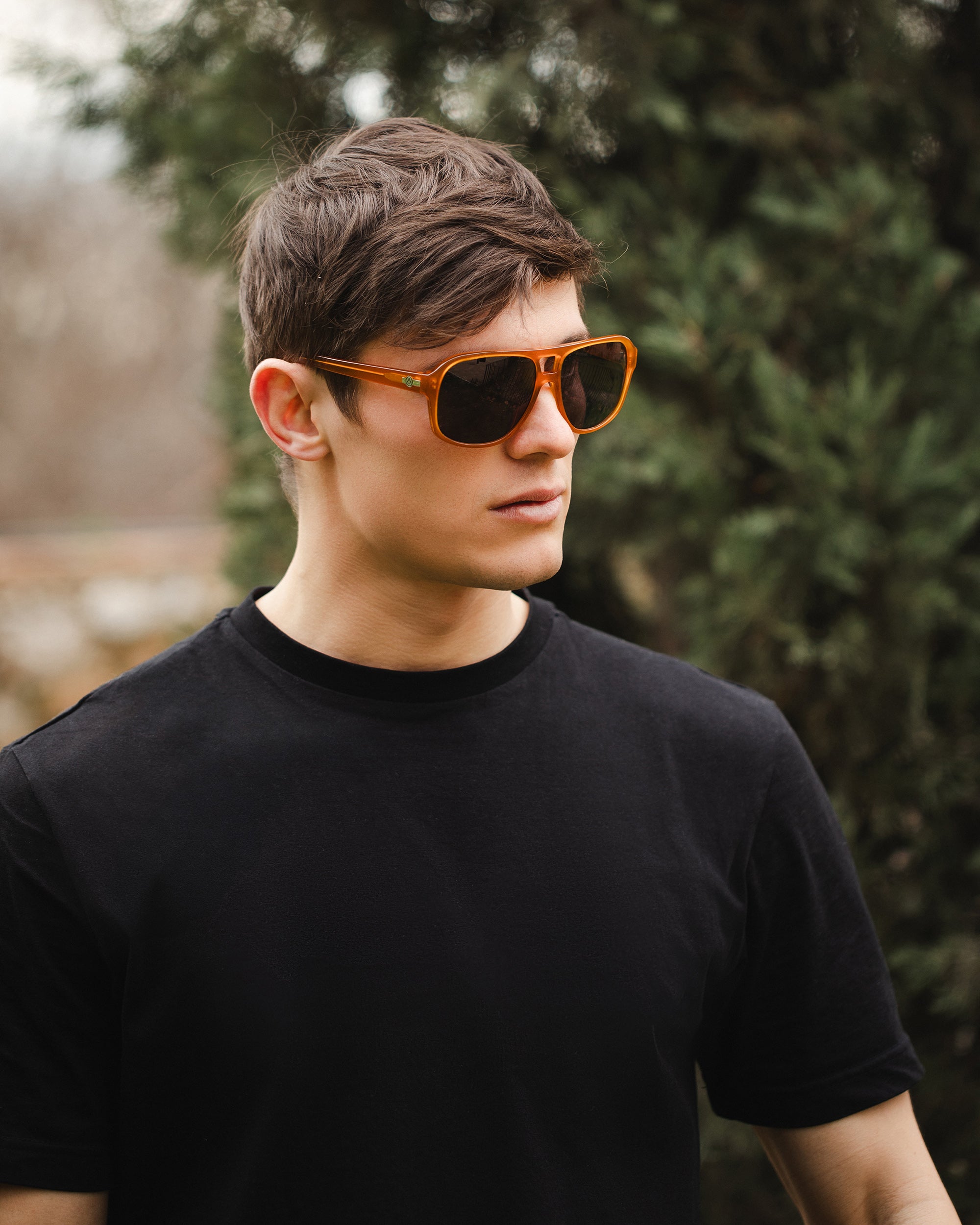
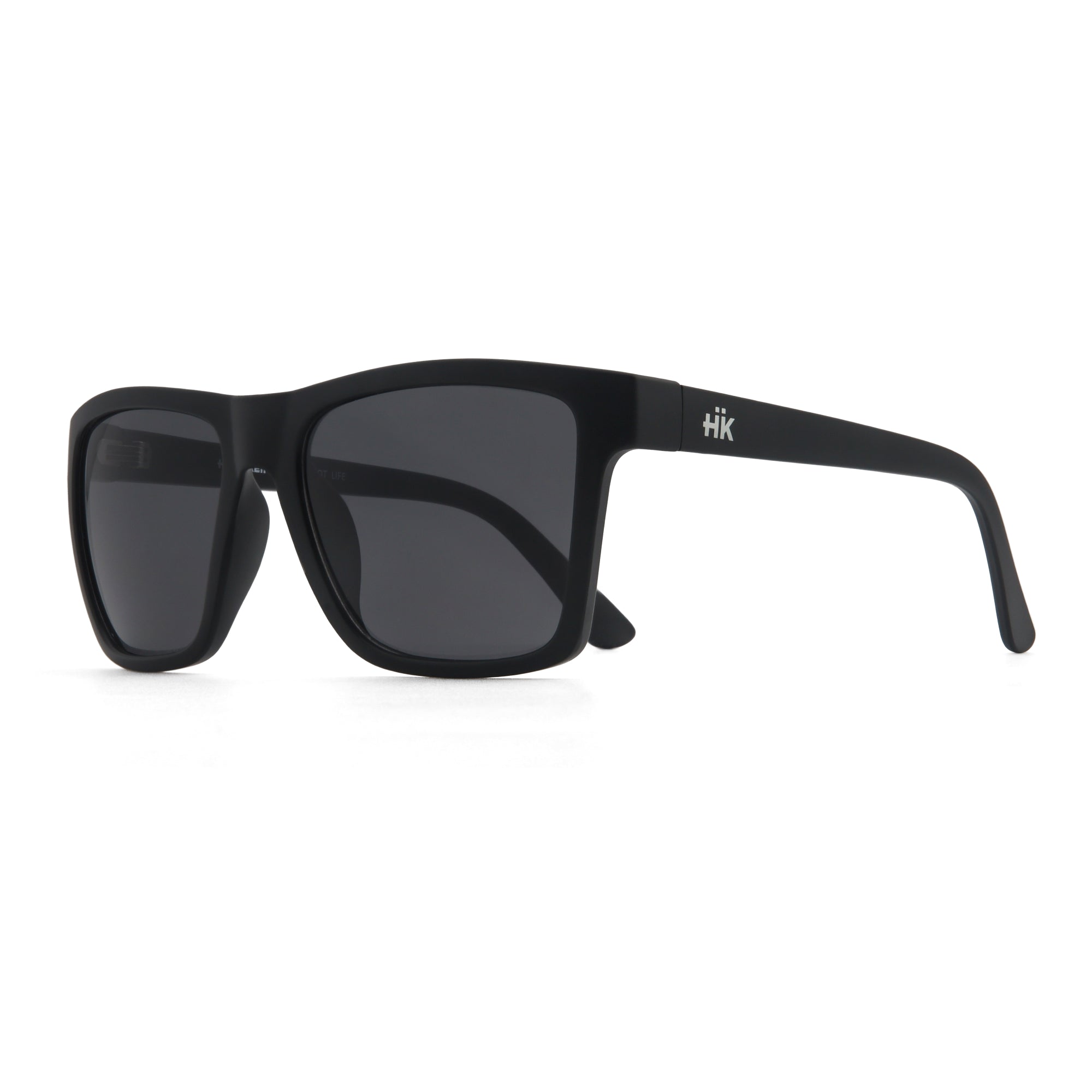
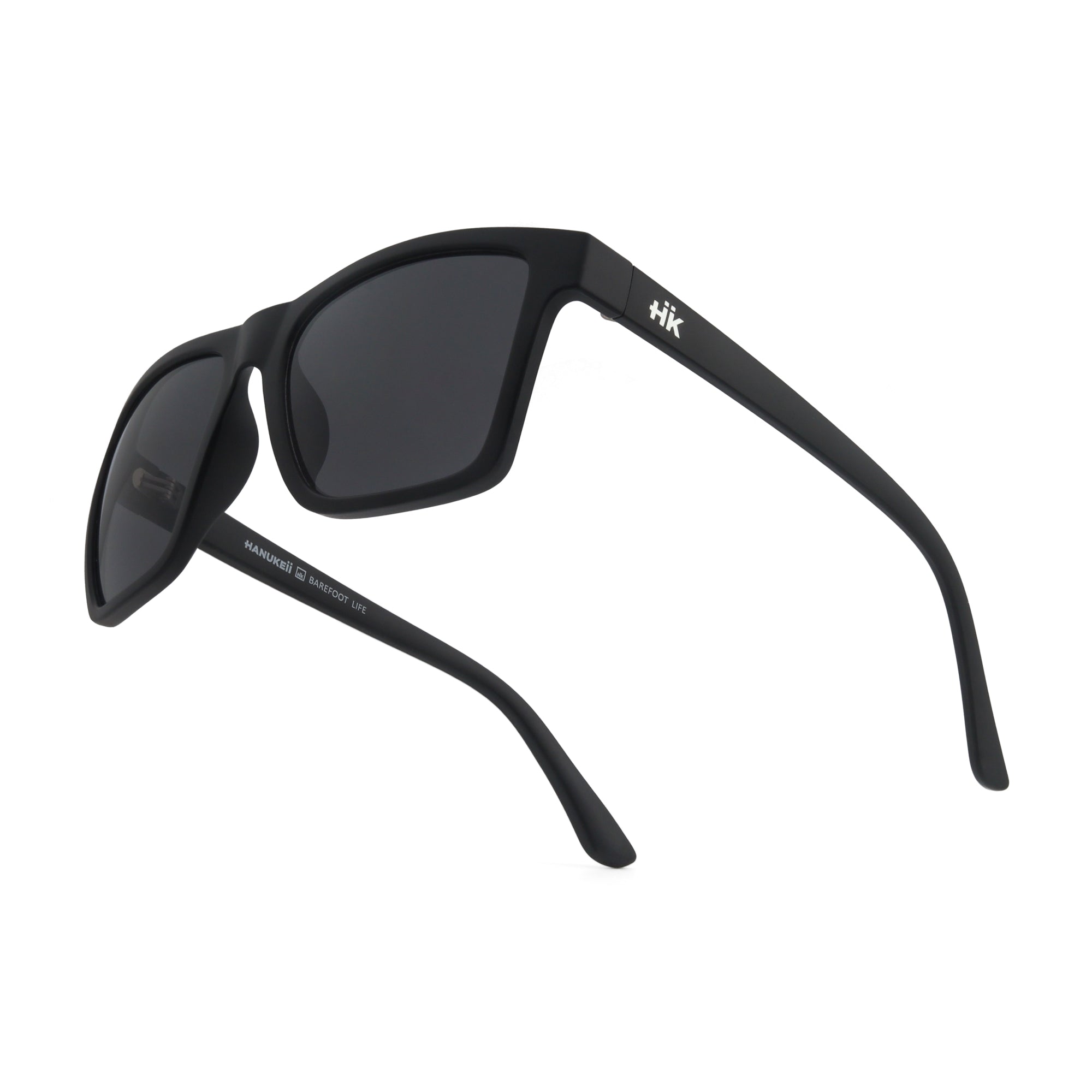
Cycling glasses: protection, performance, and routes to enjoy them to the fullest
Now that you have your gear ready to get on the bike, including your new cycling glasses, it’s normal to ask: what now? Cycling is a huge discipline, full of different paths, styles, paces, and ways to experience the bike. You can ride on the road, get lost on mountain trails, take a relaxed family ride, cross challenging mountain passes, or plan a multi-day adventure.
What all these forms of cycling have in common is something very simple: they happen outdoors. And when the sport is practiced outside, protection stops being a secondary detail. Light, wind, dust, insects, sweat, reflections, and changes in terrain directly influence the experience. That’s why good cycling glasses are not just an aesthetic accessory. They are part of the basic gear for any cyclist who wants to ride with comfort, safety, and better vision.
Cycling has something special. It combines physical effort, concentration, freedom, and adventure. Every ride challenges the body but also the mind. You have to read the terrain, anticipate curves, calculate distances, monitor the environment, watch traffic if you’re riding on the road, and react quickly to any unexpected situation. Vision plays a fundamental role in all of this. If vision fails, performance drops and safety does too.
That’s why many cyclists can’t imagine going out without their sports glasses. Just as they don’t forget their helmet, gloves, or water bottle, they shouldn’t forget to protect their eyes either. The right glasses help maintain clearer vision, reduce discomfort, and allow better focus on the route.
What cycling glasses are and why they are so important
Cycling glasses are sports glasses specifically designed to protect the eyes and improve vision during this sport. Unlike casual sunglasses, they are designed to stay stable with movement, offer good coverage, protect against wind, and allow a wide view of the surroundings.
When you ride a bike, your eyes are exposed to many elements. Not just the sun. Also to the headwind, dust kicked up by other cyclists or vehicles, small insects, branches, road particles, light rain, mud, sweat, and reflections on asphalt, rock, or dirt. On a long ride, all these factors can end up affecting visual comfort.
A good pair of cycling glasses works almost like a windshield for the eyes. It doesn’t eliminate effort, but it helps you focus on pedaling, reading the road or trail, and enjoying the ride without constant distractions.
Also, many cycling glasses feature tinted lenses, UV400 protection, wraparound designs, and lightweight materials. All of this has one goal: to offer protection without compromising comfort. Because in cycling, glasses that are heavy, move, fog up, or irritate end up being a problem.

Why you should always wear cycling glasses
If you cycle frequently, wearing glasses should be part of your routine. Not only in summer or on very sunny days. Also on cloudy days, mountain routes, early rides, fast descents, or dusty paths. Eye protection is important all year round.
Cycling glasses help protect against solar radiation but also reduce the impact of wind. At certain speeds, the air can dry out the eyes, cause tearing, and make you lose sharpness. This can be annoying on the road and dangerous on descents or technical terrain.
They also protect against insects and small particles. Any cyclist who has had an insect in their eye during a descent knows how uncomfortable and dangerous it can be. A distraction of just a second can affect your line, balance, or reaction ability.
Additionally, glasses help reduce glare. On the road, the low sun at dawn or dusk can greatly impair vision. In the mountains, changes between shade and light can force the eye to constantly adapt. On long routes, this continuous adaptation can cause visual fatigue.
For all these reasons, cycling glasses are not a luxury. They are a tool for protection and performance. When you have better vision, you ride with more confidence.
What good cycling glasses should have
Not all sports glasses are the same. For cycling, it is important to focus on a series of specific features. The first is UV protection. The second, coverage. The third, fit. Then come other important aspects like lightness, ventilation, lens color, and material durability.
UV400 Protection
UV400 protection is essential to reduce eye exposure to ultraviolet radiation. It is not enough for a lens to be dark. A dark lens without proper protection can be misleading because it reduces visible light and causes the pupil to dilate, but it does not necessarily block UV rays.
That’s why when buying cycling glasses, it’s important to make sure they offer adequate UV protection. Vision is an essential part of performance and also long-term health.
Wraparound frame
A wraparound frame offers better protection against side wind, dust, and light coming from the sides. In cycling, this is especially important because movement constantly exposes you to air. Glasses that are too open can let wind and particles in, reducing comfort.
Lightweight and stability
Glasses should be lightweight and stay firmly in place. If they slip with sweat or bounce with movement, they’ll become a distraction. The arms should fit well, the nose bridge should be comfortable, and the glasses shouldn’t press too much.
Helmet compatibility
In cycling, the helmet and glasses must work together. The arms shouldn’t bother under the helmet or press on the temples. It’s also important that the glasses don’t hit the front of the helmet when you lower your head.
Good ventilation
Fogging can be a problem, especially on climbs, humid days, or sudden temperature changes. A design with good ventilation helps keep the lens clearer and more comfortable.
Lens colors in cycling
Lens color can greatly influence the visual experience. Dark lenses can be useful on very bright days. Brown or amber lenses can enhance contrast. Yellow or orange lenses are usually comfortable on cloudy or low-light days. Mirrored lenses can reduce glare and add a sportier look.
For cycling, it’s not always best to choose the darkest lens. On shaded routes, in forests, tunnels, cloudy conditions, or changing light, an overly dark lens can make it harder to read the terrain. That’s why many cyclists prefer to have different lenses or choose versatile glasses that work in various conditions.
The important thing is that the lens allows clear vision, good depth perception, and no distortions. In cycling, the eye needs to quickly interpret information: curves, bumps, gravel, roots, cars, other cyclists, signs, shadows, or changes in slope.
Best cycling routes in Spain to test your glasses
Spain is one of the most interesting countries for cycling. It has mountains, coastlines, secondary roads, rural paths, legendary climbs, historic routes, and trails for all levels. From family rides to challenging multi-day tours, there are options for every type of cyclist.
Next, we review some cycling routes in Spain where good sports glasses can make a difference. Not just because of the sun, but also because of wind, dust, changing light, and the variety of landscapes.
Camino de Santiago by bike
The Camino de Santiago is one of the best-known routes in Spain and also one of the most special to do by bike. Although traditionally associated with walking pilgrimages, more and more people are cycling it. There are different paths and variations, but the French Way is one of the most popular and complete options.
This route crosses communities such as Navarra, La Rioja, Castilla y León, and Galicia. The journey combines history, towns, open landscapes, rural paths, asphalt sections, and dirt stretches. Precisely because of this variety, it’s important to carry good gear and glasses capable of adapting to different conditions.
On the trail, you can encounter days of intense sun, rain, wind, dust, shadows among trees, and long hours of pedaling. Glasses help protect your eyes and maintain concentration, especially when fatigue starts to set in.
Cid Campeador Route
The Cid Route is perfect for those looking to combine sport, history, and scenery. It follows the literary and legendary trail of Rodrigo Díaz de Vivar, El Cid Campeador, crossing territories linked to the Song of My Cid. It’s a route with a strong cultural component, ideal for cyclists who enjoy both the physical journey and the historical context.
The route passes through Castilian, Aragonese, and Levantine lands, with very diverse landscapes. There are open areas, rural paths, historic towns, challenging sections, and stages that allow you to experience cycling as a narrative adventure.
On these long routes, cycling glasses are especially useful because they protect you for many consecutive hours. The accumulation of sun, wind, and dust can tire your eyes greatly if you don’t have good protection.
Hannibal Route
The Hannibal Route is an epic proposal, inspired by the journey of the Carthaginian general Hannibal as he advanced towards Rome during the Second Punic War. Although there are different interpretations and variations, the idea of following a large-scale historical route is especially appealing to adventurous cyclists.
This is an extensive and demanding route, designed for those who enjoy long challenges and changing landscapes. On such rides, physical preparation is important, but so is planning your gear. Helmet, appropriate clothing, hydration, tools, sun protection, and cycling glasses are essential equipment.

Trans-Pyrenean Route
The Transpirenaica is one of the great routes for experienced cyclists. It runs along the southern side of the Pyrenees, connecting the Mediterranean with the Cantabrian Sea through a demanding, long, and spectacular itinerary. It covers almost 800 kilometers of mountains, elevation changes, changing landscapes, and accumulated effort.
This is not a route to improvise. It requires physical preparation, planning, knowledge of the terrain, and appropriate equipment. On a journey like this, light conditions can change a lot: cold sunrises, open passes, wooded areas, fast descents, fog, wind, and intense sun at altitude.
Good cycling glasses help keep vision protected and comfortable for hours. On descents, they protect from the wind. In open areas, they reduce sun exposure. In mountain stretches, they help avoid dust, insects, and small particles.
Villanueva Mesía Route
Not all routes have to be extreme. The Villanueva Mesía Route is a calmer option, ideal for cycling with family, as a couple, or with friends. Its appeal lies in the ease of the route, low traffic, and natural surroundings. It is a friendlier route, perfect for enjoying without needing a very high physical level.
This type of route also deserves good protection. Many times it is thought that glasses are only necessary on long or demanding rides, but even on relaxed rides they can be very useful. They protect from the sun, wind, and small insects, making the experience more comfortable.
TransAndalus Route
The TransAndalus is one of the most complete and varied routes to discover Andalusia by bike. It is a circular route of more than 2,000 kilometers that crosses all the Andalusian provinces. One of its great advantages is that each cyclist can join wherever they want and adapt the stages to their level, time, and goals.
The variety of landscapes is huge: coast, mountains, rural paths, white villages, inland areas, natural parks, and stretches of great beauty. This diversity also means very different conditions. There can be heat, dust, wind, dry stretches, shady areas, or constant changes in light.
On a route like this, comfortable and durable glasses are essential. Not just for protection, but because they are worn for many hours. A poor choice can cause discomfort, pressure, or eye fatigue. A good choice, on the other hand, is noticeable precisely because it goes unnoticed.
Costa del Sol Route
The Costa del Sol Route is a great option for those who want to enjoy cycling by the sea. With over 150 kilometers along the Andalusian coast and the Málaga region, it combines pleasant weather, Mediterranean landscapes, and a perfect environment for cycling most of the year.
On coastal routes, cycling glasses are especially useful because of the sun’s reflections on the sea, the wind, and intense brightness. Even if the route isn’t as technical as a high mountain route, sun exposure can be high. That’s why it’s important to protect your eyes well.
Also, routes by the sea often have a very special atmosphere. Clear light, open roads, breeze, salt air, and wide landscapes. Sporty glasses naturally fit that kind of experience.

How to choose cycling glasses
Choosing cycling glasses shouldn’t be based on aesthetics alone. Design matters, but functionality is key. Before buying, think about the type of cycling you do, how often you ride, typical lighting conditions, and the level of protection you need.
- Look for UV400 protection: it’s one of the most important aspects to protect your eyes from ultraviolet radiation.
- Choose a lightweight frame: the longer you wear the glasses, the more you’ll appreciate them being light.
- Prioritize fit: glasses should stay stable without squeezing too much or moving with sweat.
- Check coverage: a wraparound shape offers better protection against wind, dust, and side light.
- Think about lens color: not all lighting conditions require the same lens. Consider if you need dark, clear, contrast-enhancing, or interchangeable lenses.
- Value ventilation: good airflow helps reduce fogging.
- Avoid glasses without guarantees: glasses without UV protection can be harmful to your eyesight.
- Consider the helmet: make sure the arms don’t bother you and that the glasses fit well with your gear.
Common mistakes when buying cycling glasses
One of the most common mistakes is buying glasses just for the design. It’s understandable that we want glasses we like, but if they don’t protect well or aren’t comfortable, they’ll end up staying at home. In cycling, comfort is as important as aesthetics.
Another mistake is thinking that very dark lenses are always better. On very sunny days they can be useful, but on routes with changing light they can make vision difficult. It’s also common to overlook ventilation until the glasses fog up on a climb.
Buying glasses without reliable UV protection is also a major mistake. Not all glasses that look sporty offer real protection. That’s why it’s best to choose quality products and avoid options of dubious origin.
Cycling glasses and eye health
Prolonged sun exposure can affect eye health. That’s why it’s important to use glasses with proper protection, especially if you spend many hours outdoors. In cycling, speed also increases exposure to wind and particles, which can cause irritation, dryness, or discomfort.
Wearing cycling glasses helps prevent those discomforts and protects the eyes from small impacts. It also helps maintain more stable vision, which is essential for safety.
The original article mentioned the importance of preventing eye problems, including ocular cancer. Without sounding alarmist, it’s worth remembering that sun protection isn’t just about skin. Eyes also need care, especially in outdoor sports.
Cycling glasses for road, mountain, and urban use
The type of cycling you do influences the glasses you need. For road cycling, a wide lens, good ventilation, lightness, and wind protection are usually important. For mountain biking, durability, side coverage, and contrast are very important. For urban use, you might want something more versatile that works both on and off the bike.
In mountain biking, trails usually have more dust, branches, mud, and quick light changes. On the road, wind and speed are key factors. In gravel, you mix long distances, trails, dust, and asphalt sections. In the city, visibility, reflections, and protection from traffic also matter.
That’s why there isn’t a single perfect pair of glasses for everyone. Ideally, choose based on your main use. If you do several disciplines, look for a balanced, comfortable model with good overall protection.

Tips for caring for your cycling glasses
Good glasses can last a long time if you take care of them properly. In cycling, they get dirty easily: sweat, dust, rain, mud, road grease, or salt if you ride near the sea. Cleaning them well helps keep vision clear and prevents scratches.
- Clean them with a soft cloth: avoid paper, t-shirts, or rough fabrics that can scratch the lens.
- Remove dust first: if you rub a lens directly with sand or dirt, you can damage it.
- Store them in a case: especially if you carry them in a backpack, sports bag, or car.
- Don’t leave them in the sun inside the car: extreme heat can affect certain materials.
- Check the temples and the nose bridge: these are key areas to maintain a good fit.
Conclusion: good cycling glasses change the experience
Cycling is one of those sports that combines effort, freedom, and adventure. Every route has something different: a new landscape, a challenging climb, a fast descent, a quiet road, an unexpected path, or a personal goal. But to truly enjoy it, it’s best to go well prepared.
Cycling glasses are part of that essential gear. They protect your vision, reduce discomfort, improve comfort, and help maintain concentration during the ride. They are not just another accessory. They are a tool to ride better, see better, and feel safer on the bike.
Whether on the Camino de Santiago, the Transpirenaica, the Costa del Sol, a family route, or a quick ride near home, wearing good glasses can make a difference. Because when your eyes are protected, you enjoy the ride more.
Frequently asked questions about cycling glasses
Why is it important to wear cycling glasses?
Because they protect the eyes from the sun, wind, dust, insects, road particles, and glare. They also help maintain more comfortable and stable vision during the ride.
What should good cycling glasses have?
They should offer UV protection, good coverage, lightness, stable fit, ventilation, and a lens suitable for the lighting conditions in which you will ride.
Are regular sunglasses good for cycling?
They can work for casual rides, but they don’t offer the same features as cycling glasses. Specific cycling glasses usually protect better from wind, cover more of the face, and stay more stable during movement.
What lens color is best for cycling?
It depends on the light. Dark lenses work well on sunny days, yellow or orange lenses can help on cloudy days, and brown or reddish lenses can provide contrast. The important thing is that the lens is comfortable and has adequate protection.
Should cycling glasses be wraparound?
It is recommended. A wraparound shape better protects against side wind, dust, insects, and light coming from the sides.
Can I use the same glasses for road and mountain biking?
Yes, if they are versatile, comfortable, and provide good coverage. However, if you practice a specific discipline intensively, you might be interested in glasses more specific to that use.
How to prevent cycling glasses from fogging up?
Choose glasses with good ventilation, avoid placing them too close to your face, and clean them properly. On climbs or humid days, good air circulation helps a lot.
Where to buy cycling glasses?
You can find sports glasses for cycling and outdoor activities at The Indian Face. Choose a comfortable, durable model with good protection to accompany you on your routes.