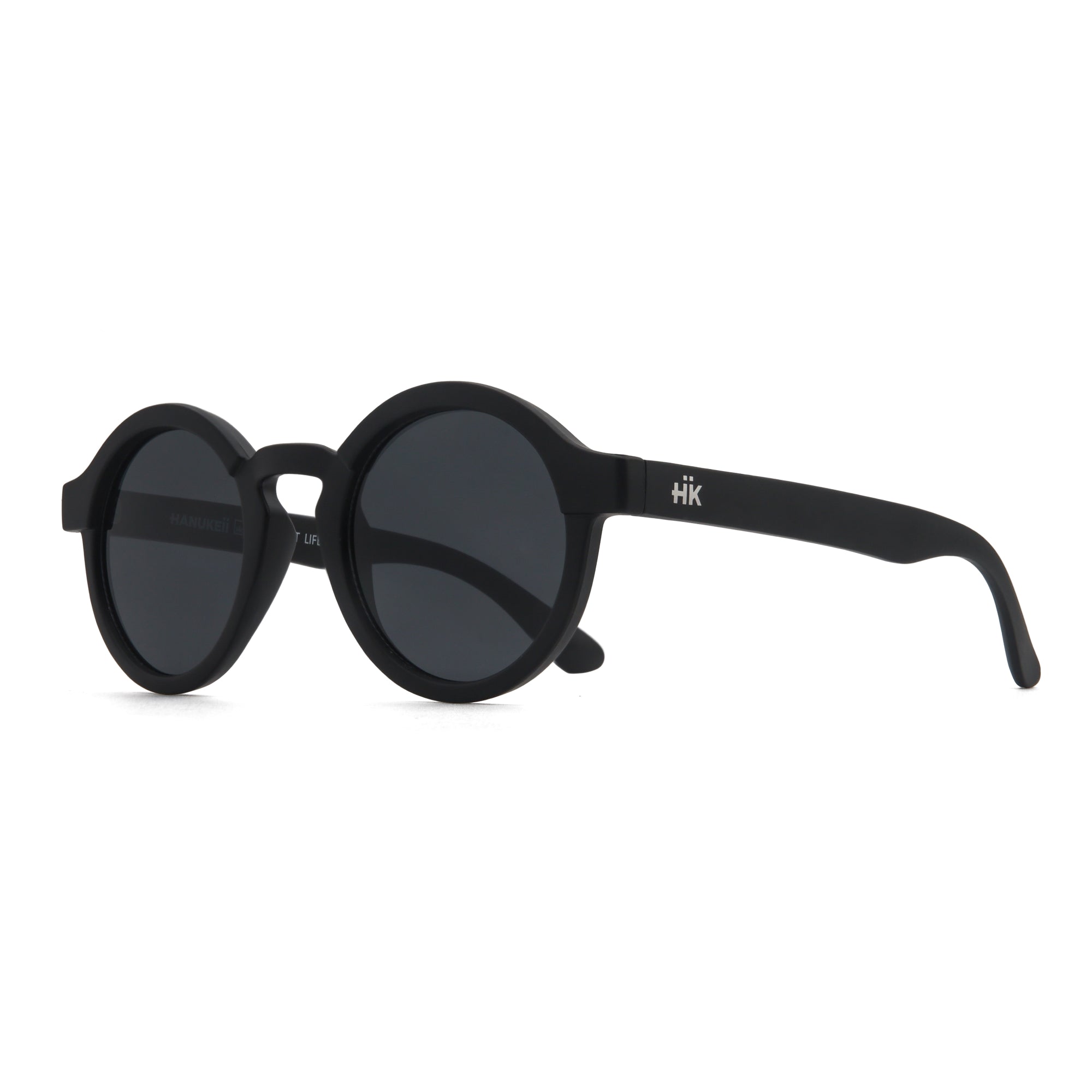
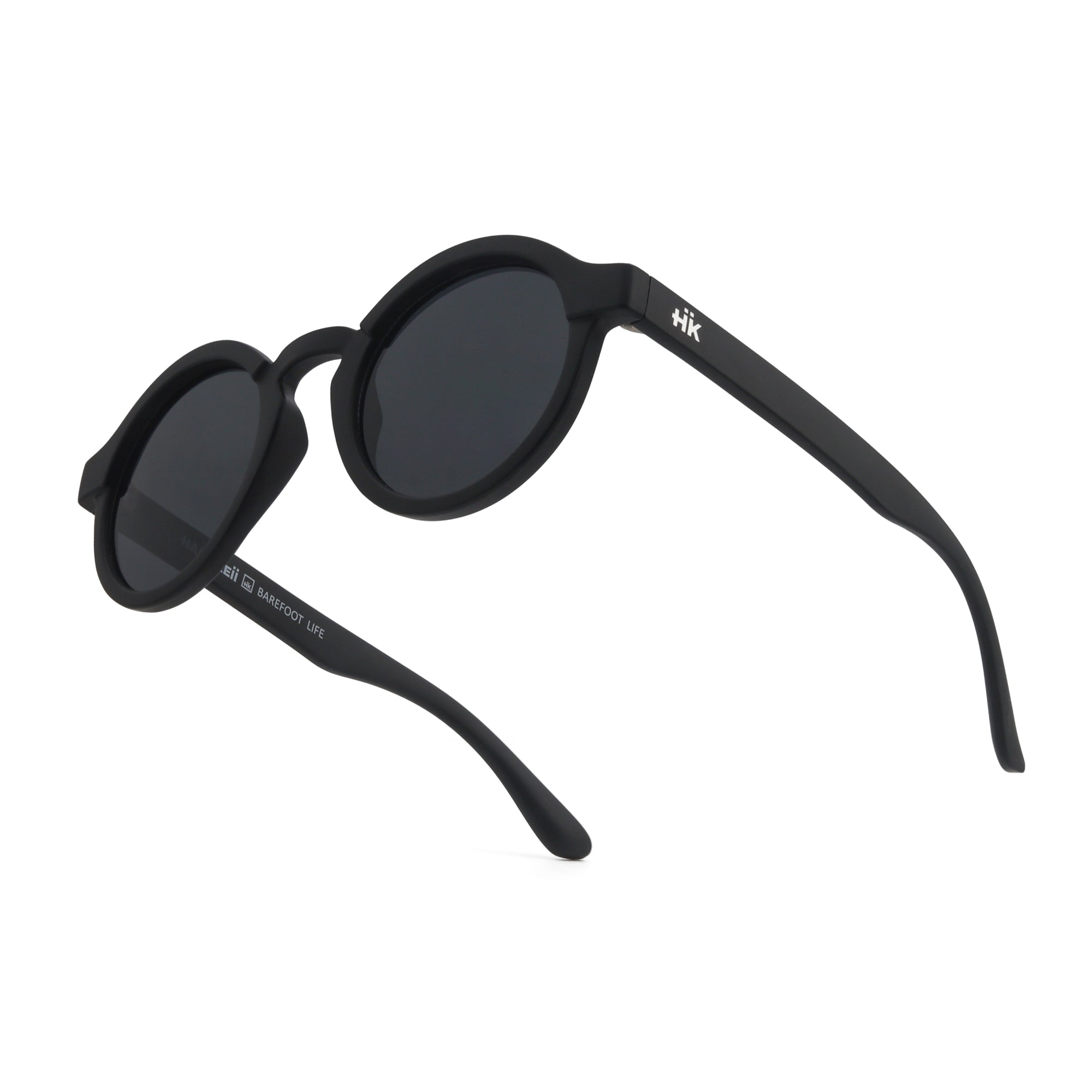
Glasses are such a natural part of our lives that sometimes we forget how extraordinary their appearance was. Today we put on reading glasses to read, sunglasses to drive, sports glasses to run, or prescription glasses to work in front of a screen. But for centuries, poor vision was a difficult limitation to overcome.
The history of glasses is the story of a very human need: to see better. To read better. To work better. To protect oneself better. To look at the world more clearly. From the first reading lenses to modern sunglasses, this seemingly everyday object has accompanied some of humanity’s greatest cultural, scientific, and social changes.
A world without glasses or contact lenses would be very different. Millions of people wouldn’t be able to read comfortably, study, drive, work precisely, play sports, or enjoy a daily life as simple as the one we know. That’s why, even though today they are also a style accessory, glasses were born as a revolutionary tool.
In this article, we review the origin of glasses, the evolution of corrective lenses, the history of sunglasses, the role of sports glasses, and how an invention designed to correct vision also became a symbol of personality, fashion, and outdoor life.
If you’re interested in finding modern glasses with an outdoor spirit, you can explore our collection of The Indian Face sunglasses.
Quick answer: Glasses appeared as a solution to improve vision and facilitate reading. The first corrective glasses are associated with northern Italy at the end of the 13th century. Sunglasses have very ancient origins, such as the snow goggles used by Inuit peoples to protect themselves from the glare on the snow. Over time, glasses evolved from being an optical tool to also becoming an accessory for protection, sports, and style.

The important points about the history of glasses in 5 key facts
- They were born out of necessity: glasses emerged to correct vision problems and make tasks like reading, writing, or working with precision easier.
- Their modern origin is placed in the Middle Ages: the first corrective glasses are linked to Italy at the end of the 13th century.
- Sunglasses have very ancient origins: the Inuit people used glasses with slits to reduce snow glare.
- Optical technology changed everyday life: bifocal, progressive, prescription, sunglasses, and sports lenses greatly expanded usage possibilities.
- Today they are protection, visual health, and style: glasses no longer just correct vision; they also protect against the sun, wind, snow, water, and outdoor life.
The origin of glasses: a response to the need to see better
Before glasses as we know them existed, poor vision was a very serious difficulty. Myopia, presbyopia, or hyperopia could limit reading, manual work, writing, craftsmanship, navigation, or any task requiring visual precision.
Vision has always been one of the most important senses for humans. It allows us to orient ourselves, recognize dangers, read the terrain, interpret gestures, learn, work, and enjoy the environment. When sight fails, life becomes more difficult. That is why, since ancient times, different cultures sought ways to enlarge, focus, or protect the gaze.
Before modern glasses, there were reading stones, simple lenses, polished crystals, and objects that enlarged letters or helped see more clearly. They were not glasses yet, but they anticipated an essential idea: optics could improve life.
During the Middle Ages, the development of lenses was especially important in monasteries, libraries, and study environments. Reading manuscripts for hours required precise vision. For people with presbyopia, a magnifying lens could mean the difference between continuing to read or giving up that task.
Glasses did not appear suddenly as a perfect object. They were the result of many small advances: learning to cut glass, polish surfaces, understand how light behaves, hold lenses in front of the eyes, and finally, create frames capable of staying on the face.
The first corrective glasses
The first modern corrective glasses are generally associated with northern Italy at the end of the 13th century. They were very different objects from today's: two lenses joined by a simple frame, without side arms, mainly designed to help people with presbyopia or difficulty seeing up close.
These first glasses were not worn comfortably all day. In many cases, they were held by hand or rested on the nose. Still, the leap was huge. For the first time, many people could read again, copy texts, sew, work in detail, or perform tasks that age and loss of near vision had complicated.
One of the most cited testimonies about the origin of glasses appears in Giordano da Pisa’s sermon in 1306, where it is mentioned that the art of making glasses was a recent invention. This reference is important because it shows that, at the beginning of the 14th century, glasses were already known as a useful and surprising innovation.
There are also early artistic representations showing people using spectacles. These images help understand how glasses entered the visual culture of the time, especially among monks, scholars, scribes, and people connected to knowledge.

From reading to everyday use
During their first centuries, glasses were especially useful for reading and close work. They were an instrument linked to knowledge, writing, science, craftsmanship, and commerce. They were not yet a fashion product or a mass-use accessory.
Over time, optics advanced. More precise lenses, more comfortable frames, and solutions for different vision problems were developed. Glasses stopped being a rare object and became an everyday tool.
The evolution of frames was also key. At first, they were held by hand or rested unstably. Then more comfortable systems appeared. Finally, side arms allowed glasses to stay on the face much more practically.
That detail completely changed their use. One thing is to have a lens to read for a few minutes. Quite another is to be able to wear glasses for hours while walking, working, driving, studying, or talking.
Quick table: evolution of glasses
| Era | Advancement | Importance |
|---|---|---|
| Antiquity and early Middle Ages | Simple lenses and reading stones | They helped enlarge texts and nearby objects. |
| Late 13th century | First corrective glasses in Italy | They allowed for more practical correction of near vision. |
| Later centuries | Improvement of frames and lenses | Glasses became more comfortable and precise. |
| 18th century | Tinted lenses and optical advances | Protection against light and eye sensitivity began to be explored. |
| 20th century | Mass-market sunglasses, progressive lenses, and sports glasses | Glasses became established as visual health, protection, and style. |
The arrival of progressive lenses
One of the most important advances in modern optics was the appearance of progressive lenses. Before them, many people needed different glasses for near and far vision or resorted to bifocals with a visible separation between vision zones.
Progressive lenses allowed correcting different distances in a single lens in a more natural way. The upper part could help with distance vision, the intermediate zone with medium distances, and the lower part with near vision. All this without a marked line as evident as in classic bifocals.
The development of the first modern progressive lens is associated with Bernard Maitenaz and Varilux in 1959. It was a decisive breakthrough for people with presbyopia because it allowed a smoother transition between different visual distances.
This type of innovation shows how glasses never stopped evolving. They went from being a basic aid for reading to becoming increasingly personalized optical products, adapted to lifestyles, ages, professions, and very different visual needs.
The origin of sunglasses
The history of sunglasses is different from that of corrective glasses, although both come from the same idea: to protect and improve vision. Before modern sunglasses existed, different cultures had already sought ways to reduce excess brightness.
One of the most interesting precedents are the snow goggles used by Inuit peoples and other Arctic communities. These pieces, made from materials like bone, wood, ivory, or leather, had small horizontal slits that allowed seeing while reducing the glare caused by snow.
Snow reflects a lot of light. In an Arctic environment, looking without protection could be very uncomfortable and even dangerous. Those glasses didn’t look like the current ones, but their logic was very modern: limiting excessive light entry to protect vision and improve visual comfort.
Later, in other historical contexts, tinted lenses were used for very different reasons. In some cases, to hide expression; in others, to relieve light sensitivity or eye discomfort. Gradually, the idea of a dark lens approached what we now understand as sunglasses.

From sun protection to fashion
Modern sunglasses became popular during the 20th century. What initially was related to protection, eye sensitivity, or professional uses ended up fully entering popular culture.
The expansion of tourism, beaches, cinema, aviation, automobiles, and fashion helped turn sunglasses into a desired object. They were no longer just a practical solution. They became a way to project personality.
Cinema played a huge role. Actors and actresses began wearing sunglasses both on and off screen. Black sunglasses became associated with mystery. Aviators, with freedom and speed. Cat-eye, with feminine elegance. Sports sunglasses, with action and performance.
Thus, sunglasses became one of the few accessories capable of combining visual health, utility, and style. They protect but also communicate.
Sunglasses and UV protection
Today we know that sunglasses should not be chosen solely for aesthetics. Protection against ultraviolet radiation is essential. A dark lens without proper UV filter can be misleading because it reduces visible light but does not necessarily protect the eyes well.
That is why, when buying sunglasses, it is always advisable to check that they have adequate protection. You should also consider the lens category, the intended use, and optical quality.
Polarized lenses, for example, help reduce reflections on surfaces like water, snow, asphalt, or glass. They are very useful for driving, going to the beach, practicing outdoor sports, or spending many hours in bright environments. But polarization does not replace UV protection: ideally, both features should be present.
At The Indian Face, we work with glasses as a piece to live longer outside: road, beach, mountain, city, sports, and travel. You can discover our collection of sunglasses and find models designed to accompany you in all those scenarios.
Corrective sunglasses
Prescription sunglasses represent a very logical combination: seeing well and protecting yourself from the sun at the same time. For those with myopia, hyperopia, astigmatism, or presbyopia, prescription sunglasses can greatly improve daily comfort.
Driving, walking around the city, spending hours at the beach, or going on an outdoor route shouldn't force you to choose between clear vision and sun protection. Prescription sunglasses allow you to combine both needs.
In sports, there are also prescription solutions, internal optical clips, and frames designed to fit corrective lenses. This is especially interesting for people who practice running, cycling, skiing, mountain sports, or water sports and need vision correction.
The key is to consult an optical professional to choose the right solution. Not all frames are compatible with all prescriptions, especially when we talk about very curved or wraparound sports glasses.

Sports glasses: protection for a life on the move
The evolution of glasses didn’t stop at visual correction or basic sun protection. Sports created new needs. Running, cycling, skiing, climbing, sailing, or hiking in the mountains demands lighter, stronger, and more stable glasses.
Sports glasses must protect against sun, wind, dust, branches, insects, sweat, snow, or water. They must also stay in place during movement and allow good peripheral vision.
In this type of glasses, comfort is as important as the lens. A frame that is heavy, moves, or pinches ends up being a distraction. That’s why lightweight and durable materials, wraparound designs, comfortable nose bridges, and lenses adapted to different light conditions are used.
Sports glasses prove that the history of glasses is still alive. Every lifestyle creates new solutions. What started as a tool to read better ended up becoming part of the gear for those who live intensely outdoors.

Common mistakes when talking about the history of glasses
- Thinking that modern glasses existed since Antiquity: there were ancient lenses and visual aids, but glasses as a wearable object developed much later.
- Confusing sunglasses with tinted lenses: not all dark lenses were originally created to protect from the sun.
- Believing that dark lenses always protect: protection depends on the UV filter, not just the color.
- Forgetting the role of sports: many current innovations in frames and lenses come from sports and outdoor needs.
- Seeing glasses only as fashion: they are style, but above all they are vision, protection, and eye health.
Frequently asked questions about the history of glasses
Where were the first glasses born?
The first modern corrective glasses are generally associated with northern Italy at the end of the 13th century. An important reference appears in Giordano da Pisa's sermon from 1306.
What were glasses invented for?
They were invented to improve vision, especially near vision, and facilitate activities like reading, writing, studying, or manual work.
Who invented sunglasses?
There is no single inventor of sunglasses. There are ancient precedents, like Inuit snow goggles, and later various advances in tinted lenses, eye protection, and modern production.
When did sunglasses become popular?
Sunglasses became especially popular during the 20th century, driven by tourism, the beach, aviation, cinema, fashion, and mass production.
What is the difference between sunglasses and polarized glasses?
Sunglasses reduce brightness and can protect against UV radiation if they have the appropriate filter. Polarized ones also help reduce glare on surfaces like water, snow, asphalt, or glass.
Are sports glasses an evolution of sunglasses?
Yes, partly. Sports glasses evolve from sun and eye protection but incorporate specific requirements: lightness, stability, durability, coverage, and comfort during movement.
Where to find current sunglasses with an outdoor spirit?
You can discover different models in the The Indian Face sunglasses collection, designed for city, beach, mountain, road, and outdoor life.
Conclusion
The history of glasses shows how a small object can change the lives of millions of people. They were born to improve vision, facilitate reading, and help those who had difficulty seeing clearly. Over time, they also became protection against the sun, a sports tool, a fashion piece, and a symbol of personality.
From the first corrective lenses to polarized, prescription, or sports sunglasses, the evolution has been huge. But the central idea remains the same: to see the world better.
Today, a pair of glasses can help you read, drive, run, travel, ski, walk on the beach, or simply go out on the street more comfortably. And maybe that's why they remain one of the most useful, versatile, and personal accessories out there.
Discover our collection of The Indian Face sunglasses and find a model that combines protection, design, and outdoor spirit for your everyday life.