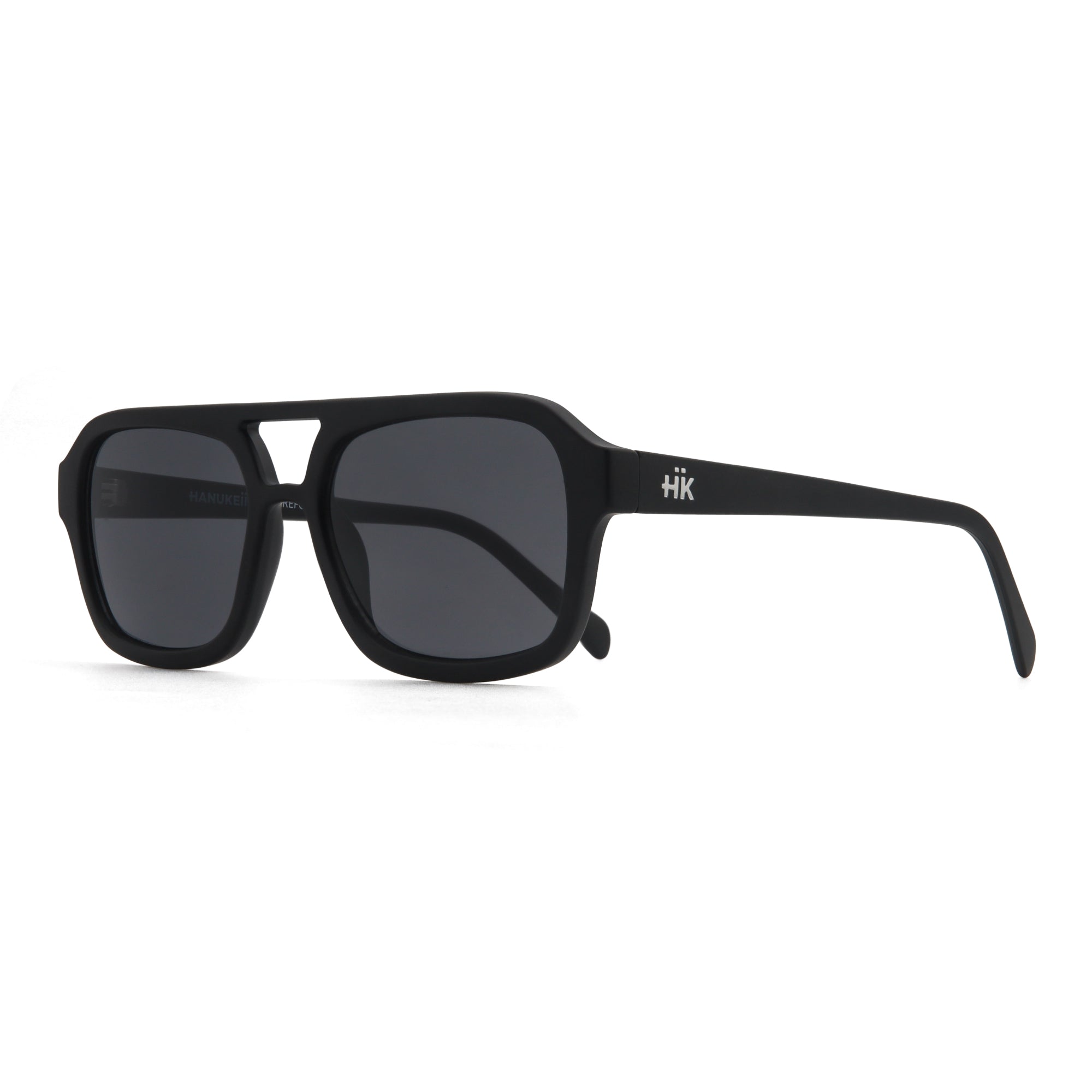
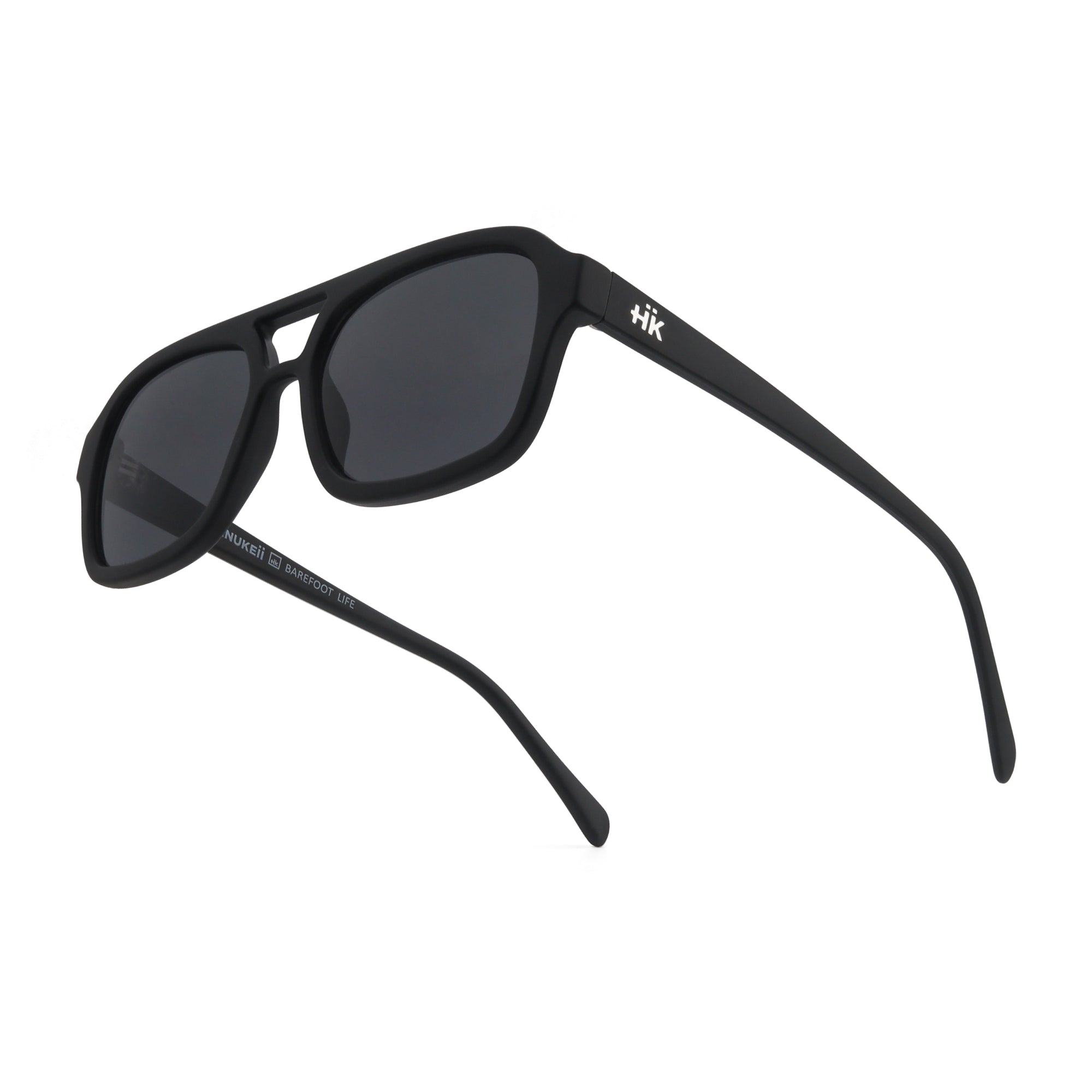
Practicing outdoor sports has something hard to replace. It’s not just moving, sweating, or following a routine. It’s feeling the wind, reading the terrain, adapting to the light, breathing outside, and connecting with an environment that changes with every step. That’s why, when we talk about sports equipment, we shouldn’t think only of shoes, technical clothing, backpacks, or sun protection. We should also think about sports glasses.
Among all types of sunglasses, sports glasses hold a special place. They are designed to accompany you when you run, pedal, hike in the mountains, train outdoors, do trekking, practice water sports, or simply seek more comfortable vision in motion. Their function is not just aesthetic: they must protect, fit well, be lightweight, withstand use, and allow your vision to remain uninterrupted by the sun, wind, dust, glare, or changes in light.
When you do sports, your eyes work constantly. They look far, focus near, detect obstacles, calculate distances, read shadows, anticipate curves, stones, branches, roots, or changes in terrain. Poor vision, inappropriate lenses, or glasses that move too much can distract you just when you need concentration.
That’s why wearing sports sunglasses should not be a question if you practice outdoor sports. Just as you protect your skin with sunscreen or choose appropriate footwear to avoid injuries, protecting your eyes is part of responsible preparation.
If you are looking for glasses to accompany you outdoors, you can discover our collection of The Indian Face sunglasses, designed for city, road, beach, mountain, and outdoor life.
Quick response: Sports glasses are important because they protect the eyes from the sun, wind, dust, glare, sweat, and other external elements. To choose well, look for UV400 protection, lightweight frames, good fit, lenses suitable for lighting conditions, durability, and comfort during movement.

The important things about sports glasses in 5 points
- UV protection: sports glasses should protect against solar radiation, not just darken vision.
- Good fit: they must stay stable during movement, without slipping or being too tight.
- Lightweight: the lighter they are, the more comfortable they are during long training sessions.
- Proper lenses: you don’t need the same lenses for running in the sun as for training in shade, mountains, or cloudy days.
- Durability: they must withstand sweat, dust, wind, backpacks, small impacts, and frequent use.
Are sports glasses important?
Yes. Sports glasses are important because your eyes are also part of your performance. You don’t just need strength, technique, endurance, or motivation. You also need to see well. And seeing well doesn’t just mean having good visual acuity. It means seeing comfortably, without annoying reflections, without excessive light, without direct wind in your eyes, and without constant distractions.
In outdoor sports, the light changes. You might start a route in the shade, move into an open area, cross a stretch of asphalt, pass through a light rock zone, or encounter water, snow, or sand. Each surface reflects light differently.
If you don’t wear the right glasses, you might end up squinting for much of your training. That small gesture causes tension, eye fatigue, and loss of concentration. In technical or adventure sports, that distraction can be more significant than it seems.
Additionally, sports glasses act as a physical barrier. They protect against wind, dust, insects, branches, sweat, sand, or small particles. In cycling, trail running, mountain sports, or water sports, that protection is greatly appreciated.
Good sports glasses are the ones you can forget you’re wearing. They fit well, don’t weigh you down, don’t bother you, and let you focus on the sport.
Why any sunglasses won’t do
Urban sunglasses can be perfect for walking around the city, driving, or sitting on a terrace. But that doesn’t mean they’re suitable for running, cycling, or mountain hiking. Sports demand different things.
When you move, the frame must stay stable. If the glasses bounce, slide down your nose, or force you to constantly adjust them, they become a nuisance. During a long activity, that nuisance grows.
Coverage also matters. Glasses that are too open can let in a lot of wind or side light. Glasses that are too heavy can be uncomfortable. Lenses that are too dark can reduce visibility in shaded areas. Lenses without UV protection may not fulfill their main function.
That’s why sports glasses aren’t chosen just for how they look. They’re chosen for how they perform when the body is in motion.
What good sports glasses should have
| Feature | Why it matters | Especially useful in |
|---|---|---|
| UV400 Protection | Helps protect eyes against ultraviolet radiation. | All outdoor sports. |
| Lightweight frame | Reduces discomfort during long training sessions. | Running, trekking, cycling. |
| Good fit | Prevents glasses from moving with sweat or movement. | Trail, cycling, adventure sports. |
| Interchangeable lenses | Allow adaptation to sun, clouds, or light changes. | Mountain, cycling, technical running. |
| Polarized lenses | Reduce reflections on water, snow, asphalt, or sand. | Driving, beach, fishing, snow, cycling. |
| Good coverage | Protects against wind, dust, insects, and side light. | Cycling, mountain, skiing, water sports. |
UV400 protection: the first thing you should check
Sun protection shouldn’t stop at the skin. Eyes are also exposed to ultraviolet radiation, and that exposure accumulates over time. If you train outdoors frequently, this point is fundamental.
A dark lens does not guarantee UV protection. This is one of the most common mistakes. You can have very dark glasses that reduce visible light but do not properly filter ultraviolet radiation. That’s why it’s always good to check that the glasses indicate adequate UV protection.
The UV400 rating is common in quality glasses and means the lens is designed to block ultraviolet radiation up to 400 nanometers. For outdoor sports, this protection should be a minimum requirement.
This is especially important in the mountains, snow, beach, road, or water activities, where exposure and reflections can be more intense.
Invest in quality, not empty appearance
Investing in good sports glasses doesn’t mean buying the most expensive ones. It means choosing glasses that truly fulfill their function. Protection, comfort, durability, stability, and good vision.
Sports wear you down. Sweat, dust, salt, sand, backpack, small falls, bumps, temperature changes, and many hours of use. Low-quality glasses may seem enough at first but will end up uncomfortable or unreliable.
Good sports glasses should be ready to accompany you. If you use them for running, they must stay stable. If you use them in the mountains, they must be durable. If you use them near the sea, they must withstand salt and be easy to clean. If you use them for cycling, they must protect well against the wind.
Quality is noticeable in the materials, the lens, the hinges, the weight, the fit, and the feeling after wearing them for an hour.
Lightweight models: when glasses almost disappear
One of the best feelings in sports is forgetting about your gear. Not because it’s not there, but because it works. Lightweight sports glasses integrate with your movement and stop being a concern.
Weight matters. A heavy frame can bother the nose bridge, press the temples, or be uncomfortable behind the ears. In long training sessions, any repeated pressure is noticeable.
Technical materials like TR90 are used precisely because they combine lightness, flexibility, and durability. In sports glasses, this combination makes a lot of sense: they must be comfortable but also withstand real use.
When glasses are light, stable, and comfortable, you can focus on the pace, route, breathing, or terrain.

Fit: the difference between help and distraction
Fit is one of the most important points in sports glasses. If they move, they annoy. If they press too much, they also annoy. Ideally, they should stay stable without causing excessive pressure.
The frame must fit the face, hold well on the nose bridge, and stay firm during movement. If you run, they shouldn't bounce. If you cycle, they shouldn't vibrate. If you do mountain sports, they shouldn't shift when you sweat or look down.
It's also worth considering the rest of your gear. If you use a helmet, cap, visor, headphones, or buff, the glasses must coexist with all of that. A temple arm pressing under the helmet can become uncomfortable after a few minutes.
Before choosing, think about your main sport. Not all activities require the same type of fit.
Protection against sweat
Doing sports means sweating. And sweat can become a problem if it gets in your eyes, dirties the lenses, or makes the frame slide. That's why sports glasses should be designed to stay comfortable even when intensity increases.
The design of the nose bridge, the weight of the frame, and the stability of the temples have a big impact. Glasses that slip with sweat are not good companions for running, cycling, or outdoor training.
It's also important to clean them after use. Sweat can leave residues on the frame and lenses. A gentle rinse with water and mild soap, followed by microfiber, helps keep them in better condition.
Interchangeable lenses: adapt to the real light
Light conditions change. You can go out in the sun and return with clouds. Training early in the morning, crossing a forest, climbing to an open area, or passing through shaded sections. That's why interchangeable lenses make a lot of sense in sports.
A lens for sunny days won't always be the best for cloudy days. A very dark lens can be comfortable in bright light but uncomfortable in low-light conditions. A clear or contrast lens can help you on gray days, in forests, or variable conditions.
Some sports glasses include a main lens for sun and a secondary lens for bad weather or lower light. This solution allows better adaptation of vision to the environment.
If you train year-round, this versatility can be more useful than it seems.

Lens color: it’s not just about looks.
Lens color influences how you perceive the environment. It doesn’t determine UV protection by itself, but it can change the visual experience.
- Gray lenses: reduce brightness while maintaining a natural perception of colors. They are very versatile.
- Brown lenses: add warmth and contrast. They can work well in mountains, hiking, and driving.
- Green lenses: offer balanced and comfortable vision outdoors.
- Yellow or orange lenses: can help on cloudy days, fog, or low light.
- Blue or mirrored lenses: have a sporty look and can work well in bright light, depending on the category.
- Reddish lenses: can provide contrast in certain sports environments.
The best lens isn’t the flashiest one. It’s the one that lets you see best in the environment where you train.
Prescription sports glasses
If you have myopia, hyperopia, astigmatism, or presbyopia, practicing sports without proper correction can be uncomfortable and unsafe. Seeing the terrain clearly is essential in running, cycling, hiking, skiing, mountain sports, or technical sports.
There are prescription sports glasses that allow you to add an internal optical clip or a small internal frame for corrective lenses. This solution lets you combine sports protection with prescription vision.
Not all glasses support every prescription, especially if they have a very curved or wraparound shape. That’s why, if you need vision correction, it’s best to consult an optician before choosing.
The idea is simple: you shouldn’t have to choose between protecting yourself from the sun and seeing well. In sports, you need both.
Think about the place where you will practice your sport.
Running in the city is not the same as trekking in the mountains, road cycling, surfing, walking on snow, or training in a park. Each environment has its own visual risks.
In the city, there are reflections from glass, cars, shop windows, and asphalt. In the mountains, there is dust, branches, light-colored rock, wind, and sudden changes in light. On the beach, there is sand, salt, and reflections from the water. In snow, there is very intense brightness. In cycling, speed multiplies the impact of wind and particles.
That’s why it’s best to choose glasses based on actual use. Glasses that are great for the city may not be the best for trail running. Glasses perfect for cycling may be too technical for walking. Glasses for high brightness may be excessive in a cloudy forest.
Sport starts before going out: start by choosing the right gear.
One pair may not be enough
If you practice sports occasionally, a versatile pair may be enough. But if you train frequently or do several disciplines, it may make sense to have more than one pair.
Not all lenses serve the same function. Not all frames behave the same. Glasses for running in summer may not be the best for a mountain route in autumn. Glasses for high brightness may not work well on cloudy days.
This doesn’t mean accumulating for the sake of it. It means building a small, useful selection: glasses for intense sun, glasses for variable conditions, more sporty ones, and more versatile ones for daily use.
The key is that each pair has a purpose.
Sports glasses by activity
| Activity | What to prioritize | Recommended lens type |
|---|---|---|
| Running | Lightweight, fit, and ventilation. | Category according to light; contrast if there is shade. |
| Cycling | Coverage, field of vision, and stability. | Polarized or category 3 if there is sun/glare. |
| Trekking | Long-lasting comfort and durability. | Versatile lens for changing light conditions. |
| Beach or water | UV protection, polarization, and salt resistance. | Polarized to reduce glare. |
| Snow | High protection and good coverage. | High category or specific mask depending on the activity. |
Common mistakes when choosing sports glasses
- Choosing only by design: a nice-looking pair doesn’t always perform well in motion.
- Not checking UV protection: a dark lens does not guarantee real protection.
- Buying a heavy frame: after several kilometers, it can become uncomfortable.
- Not testing the fit: if they move when stationary, they will move more during sports.
- Using the same lens for everything: training in the sun is not the same as in the shade or on cloudy days.
- Not considering the helmet: important in cycling, skiing, or technical sports.
- Not caring for them after use: sweat, salt, and dust can damage them.
How to care for your sports glasses
Sports glasses experience more wear than casual glasses. Sweat, dust, sand, salt, backpacks, minor impacts, and temperature changes are part of their normal use.
After training, clean them if they are dirty. Use warm water, neutral soap, and a microfiber cloth. Do not clean them with your shirt if they have dust or sand, as you could scratch the lens.
If you use them near the sea, rinse them with fresh water to remove salt. If you take them to the mountains, check that no particles remain in the hinges, nose bridge, or temples.
Always keep them in their case. A sports backpack usually carries keys, bottles, zippers, tools, or clothes, and lenses can easily get scratched if loose.

Frequently asked questions about sports sunglasses
Are sports sunglasses necessary for exercising outdoors?
Yes, they are highly recommended. They help protect your eyes from the sun, wind, dust, glare, insects, and other outdoor elements.
What is the difference between sports sunglasses and regular sunglasses?
Sports sunglasses are designed for movement: they tend to be lighter, more stable, durable, and adapted to more demanding light and usage conditions.
What does UV400 protection mean?
It means the lens is designed to block ultraviolet radiation up to 400 nanometers. It is an important feature in outdoor sunglasses.
Are interchangeable lenses useful?
Yes, especially if you train in variable conditions. They allow you to use one lens for sunny days and another for cloudy or lower light days.
What sports sunglasses should you use for running?
For running, it is best to choose sunglasses that are lightweight, stable, ventilated, with UV protection, and lenses suitable for the ambient light.
Can sports sunglasses be prescription?
Yes. Some models allow you to add an internal optical clip or corrective lenses. It is advisable to consult an optician to choose the best solution.
Where to buy sports sunglasses?
You can find models designed for outdoor, sports, and active life in the The Indian Face sunglasses collection.
Conclusion
Practicing outdoor sports requires preparation. Wanting to is not enough. The right gear can change the experience, and sports sunglasses are part of that gear.
They protect your eyes, reduce discomfort, help against glare, wind, and dust, and allow you to maintain better focus during activity. The key is to choose sunglasses that suit your sport, your face, the light, and the environment where you train.
When sunglasses are lightweight, comfortable, and truly protective, they stop being just an accessory and become a tool. One more piece of that active life that begins every time you decide to move.
Discover our collection of The Indian Face sunglasses and find the model that best fits your next adventure.