Skateboarding has transcended its original status as a simple street sport to become a global cultural phenomenon that has left an indelible mark on fashion, music, urban art, and youth lifestyle. From its humble beginnings in the 1950s and 1960s in California to its proliferation worldwide in the 21st century, skateboarding has been more than just a hobby: it has been a vehicle of expression for a generation.
Origins and Evolution of Skateboarding
Skateboarding has its roots in Southern California in the late 1940s and early 1950s. Surfers, looking for new forms of entertainment when the waves were scarce, began experimenting with wooden boards with attached roller skate wheels, seeking to emulate the feeling of surfing on pavement. These first boards were rudimentary and handmade, and surfers used them to perform simple tricks like turns and slides.
As the 1950s progressed, skateboarding became popular as a street pastime, although it still lacked a distinctive culture. It was in the 1960s that skateboarding began to take shape as a unique subculture. Improvements in board design were introduced, including the adoption of urethane wheels that provided better grip and control. The first skateparks also began to appear, providing skaters with specific places to practice and socialize.
However, by the late 1960s, interest in skateboarding declined drastically due to a combination of factors, including safety concerns and a lack of innovation in board design. Skateboarding seemed to be in danger of dying out as a passing fad.
But it was in the mid-1970s when skateboarding experienced a renaissance. The introduction of polyurethane wheels significantly improved traction and speed, allowing skaters to perform more advanced tricks. Additionally, new board manufacturing techniques were developed, such as the addition of fiberglass, which made them more durable and impact-resistant.
This renaissance led to the emergence of a new generation of skaters and the development of unique and progressive skating styles. Skateparks became gathering places for the skate community, and competitions began to gain popularity.
Since then, skateboarding has continued to evolve, with constant advances in board design, the creation of state-of-the-art skate parks, and the emergence of new tricks and techniques. Today, skateboarding is recognized as a legitimate sport with a vibrant culture and community that extends worldwide.
Influence on Fashion: From Comfort Seeking to Trend
The influence of skateboarding on fashion is undeniable and has been an important force in the industry for decades. From its origin on the streets of California in the 1950s, the lifestyle associated with skateboarding has influenced fashion trends worldwide. Here are some ways skateboarding has left its mark on fashion:
- Casual and laid-back aesthetic: Skateboarding has historically been associated with a relaxed and unpretentious style of dress. Garments like loose t-shirts, wide denim or cargo pants, and sneakers are common in skaters' wardrobes. This casual aesthetic has transferred to street fashion and has been adopted by people everywhere seeking a comfortable yet stylish look.
- Innovation in footwear design: Skate shoes have evolved significantly thanks to the sport's influence. Brands like Vans, Nike SB, and Adidas Skateboarding have developed specific technologies to improve the performance and durability of their skate shoes. Additionally, collaborations between skate brands and fashion designers have led to the creation of footwear with unique and attractive designs that appeal to both skaters and fashion enthusiasts.
- Graphics and prints: The graphics and prints used on skateboards and skate clothing are a form of artistic expression themselves. Designs often feature bold illustrations, eye-catching logos, and references to skate culture. These elements have been incorporated into urban fashion, with t-shirts, hoodies, and accessories showcasing skateboarding-inspired designs.
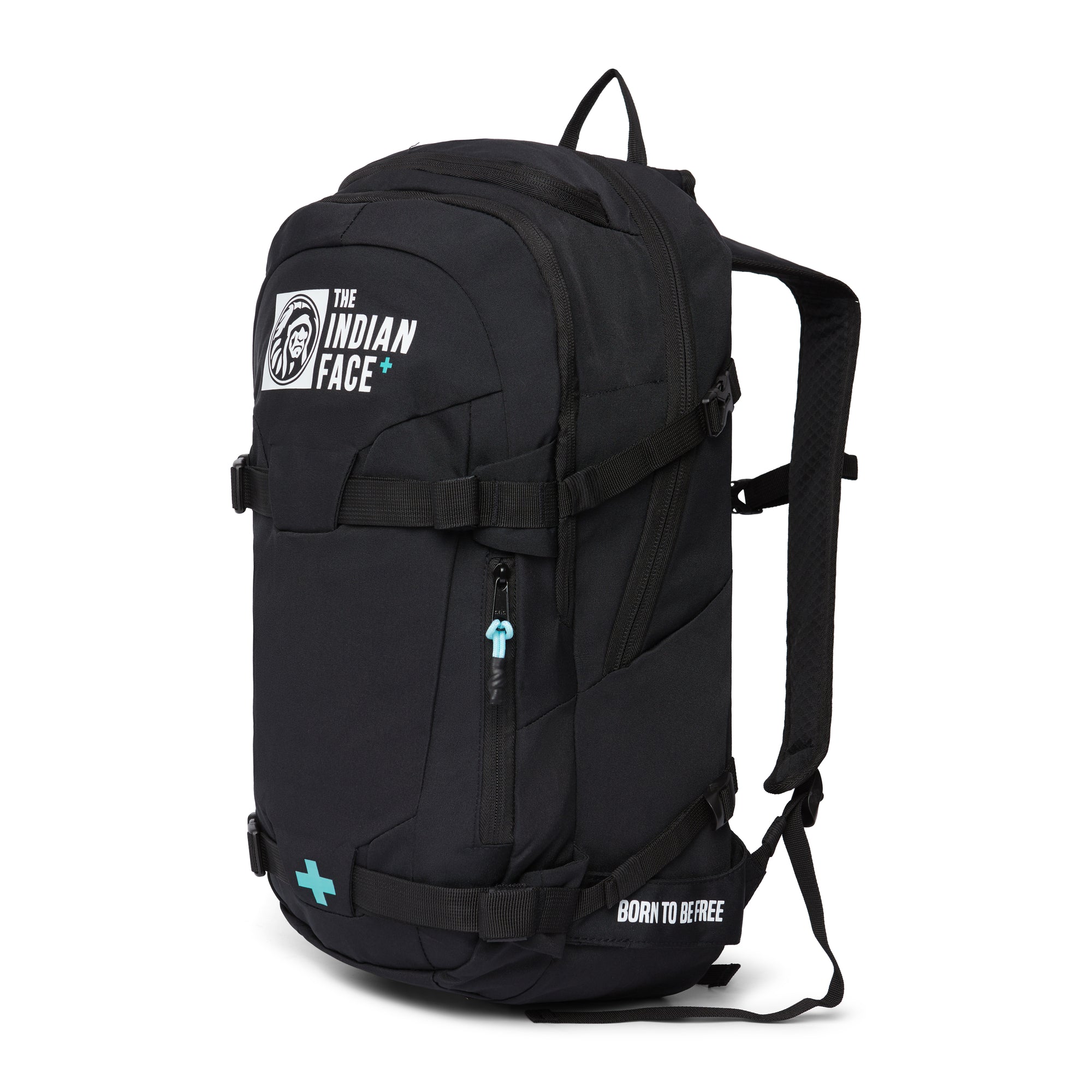
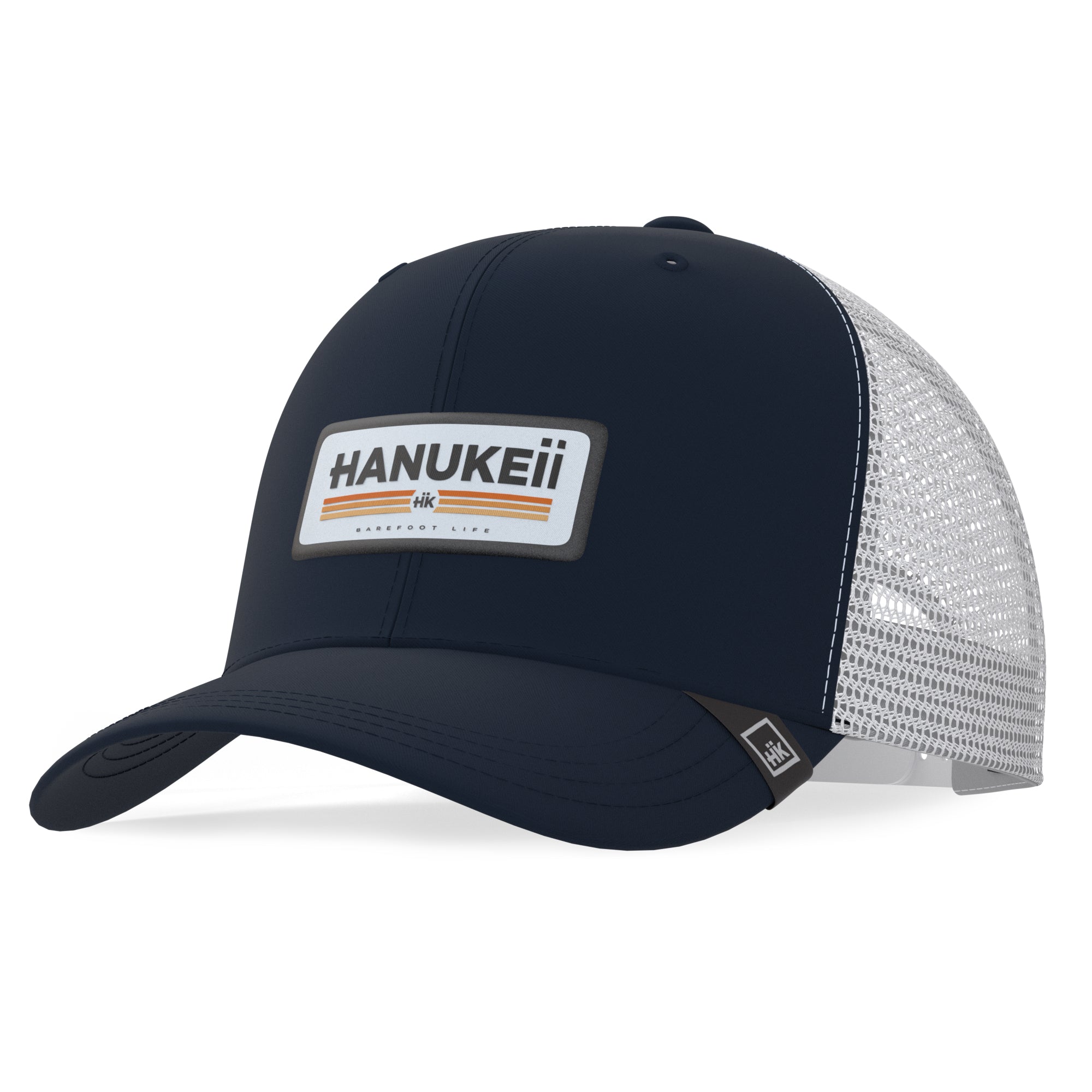
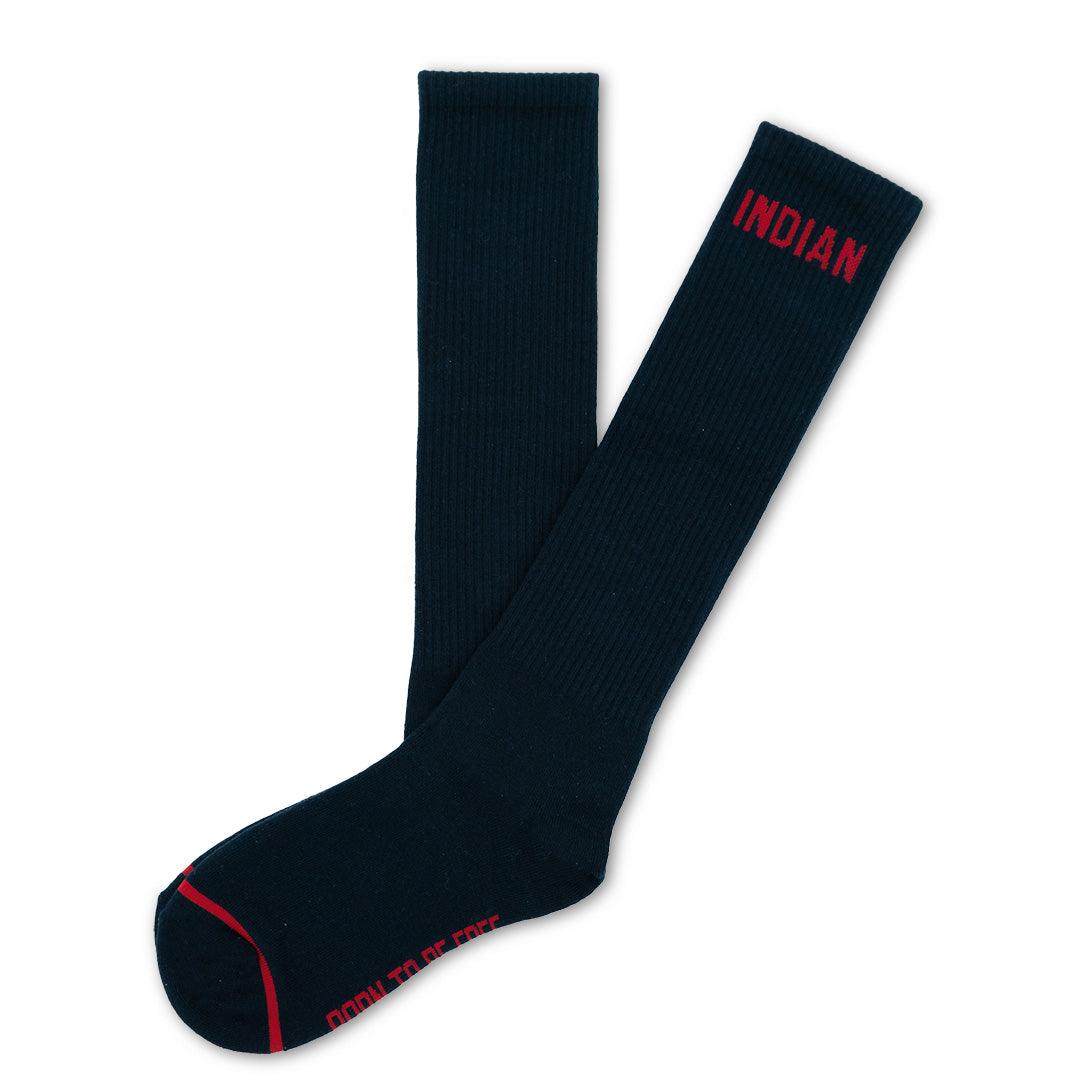
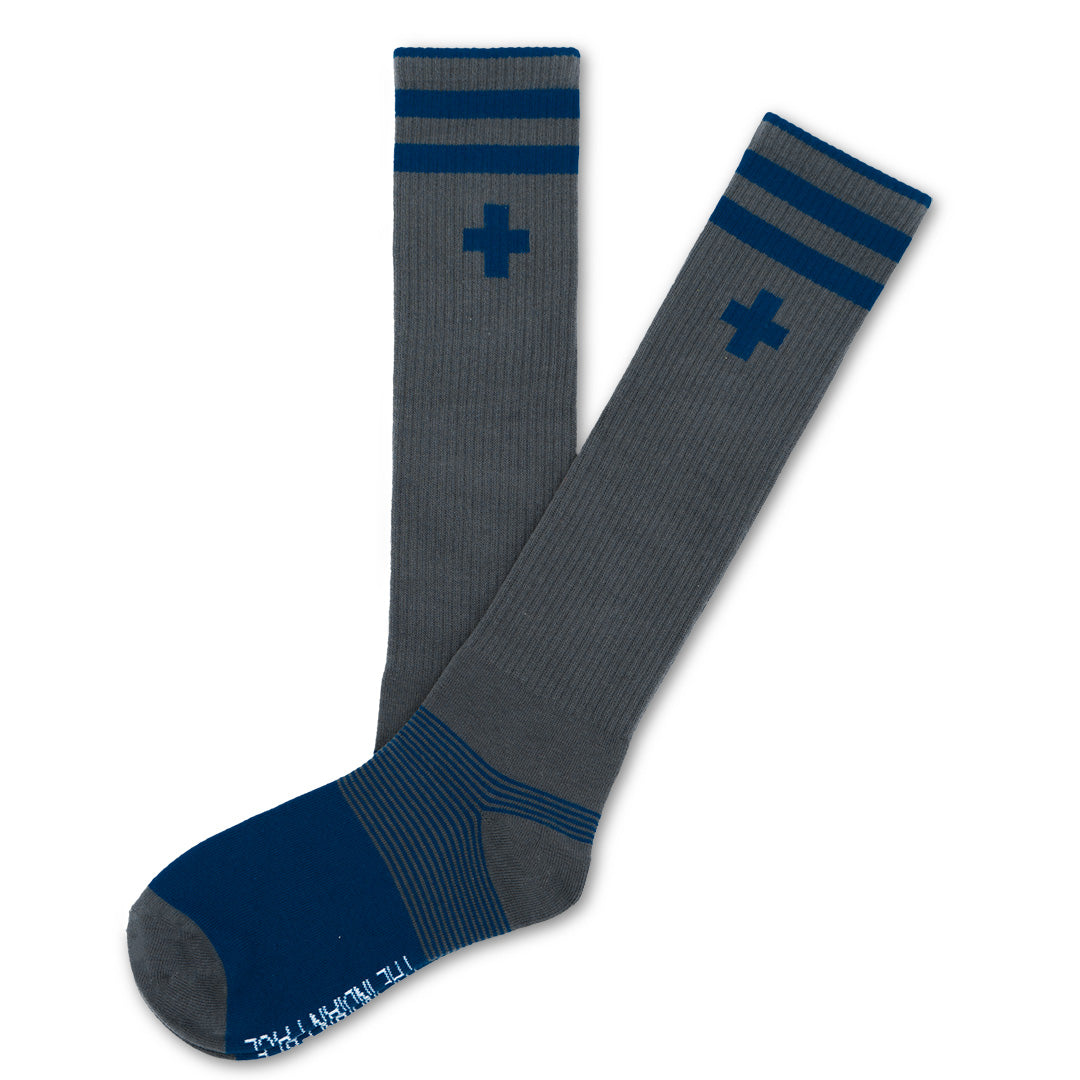
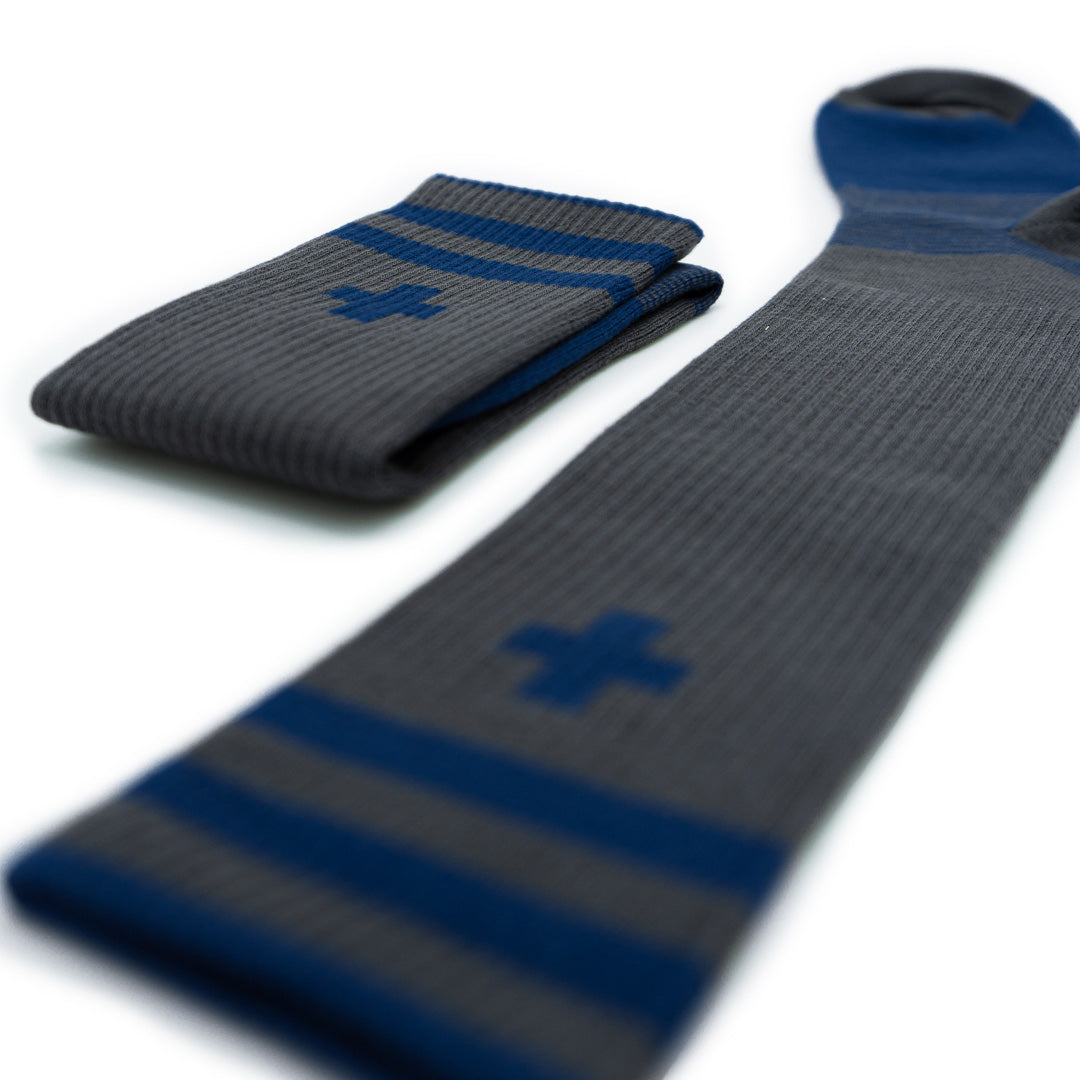
- Accessories and complements: Besides clothing and footwear, skateboarding has influenced the popularity of certain accessories and complements. Trucker hats, backpacks, high socks, and belts with specific styles have become iconic in urban fashion thanks to their association with skate culture.
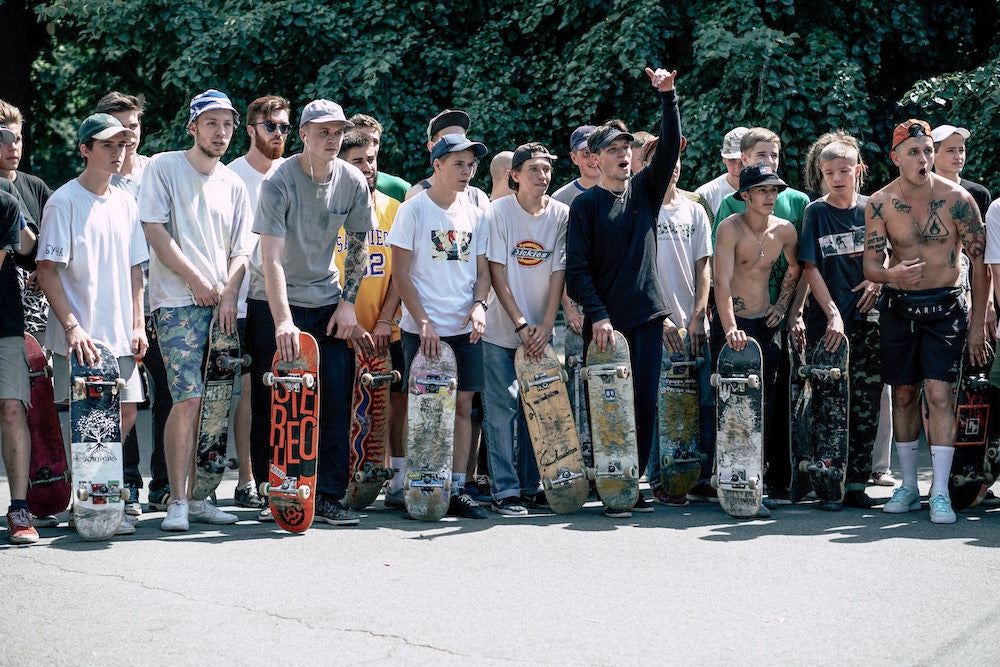
It is clear that skateboarding has left a lasting mark on fashion, inspiring comfortable and functional garments as well as bold and expressive designs. Its influence continues to be relevant in the contemporary fashion industry and will remain a source of inspiration for designers and fashion enthusiasts in the future.
Impact on Music: The Soundtrack of the Movement
The influence of skateboarding on music is deep and diverse, leaving an indelible mark on a variety of musical genres over the decades. From its early days in the 60s to the present, skateboarding and music have been intrinsically linked in several ways:
- Punk rock and hardcore: In the 70s and 80s, skateboarding and punk rock were closely intertwined. Bands like The Ramones, Black Flag, and Dead Kennedys, whose fast and rebellious songs resonated with skaters, became anthems for the skate community. The energy and attitude of punk rock reflected the anti-authoritarian mindset and quest for freedom that also characterized skateboarding.
- Hip-Hop and rap: In the 90s, skateboarding began to merge with hip-hop and rap culture. Artists like Beastie Boys and Public Enemy were revered by skaters for their defiant attitude and catchy rhythms. Moreover, hip-hop aesthetics influenced skate fashion and vice versa, creating an intersection between both worlds.
- Alternative and grunge music: During the 1990s, grunge and alternative music became popular soundtracks for the skateboarding scene. Bands like Nirvana, Pearl Jam, and Sonic Youth provided the perfect musical background for skate sessions and skate videos. The apathetic and countercultural attitude of grunge resonated with skaters' mindset.
- Indie and emo: In the 2000s, skateboarding continued influencing music, especially in indie and emo genres. Bands like Brand New, Blink-182, and Jimmy Eat World, whose lyrics spoke about youth, friendship, and alienation, were popular among skaters. Additionally, the emo aesthetic, with its emphasis on authenticity and emotional expression, found resonance in the skate community.
- Electronic and EDM: More recently, electronic music and EDM have found a place in skateboarding culture. With their energetic rhythms and futuristic sounds, electronic music provides the perfect soundtrack for nighttime skate sessions and high-energy skate videos.
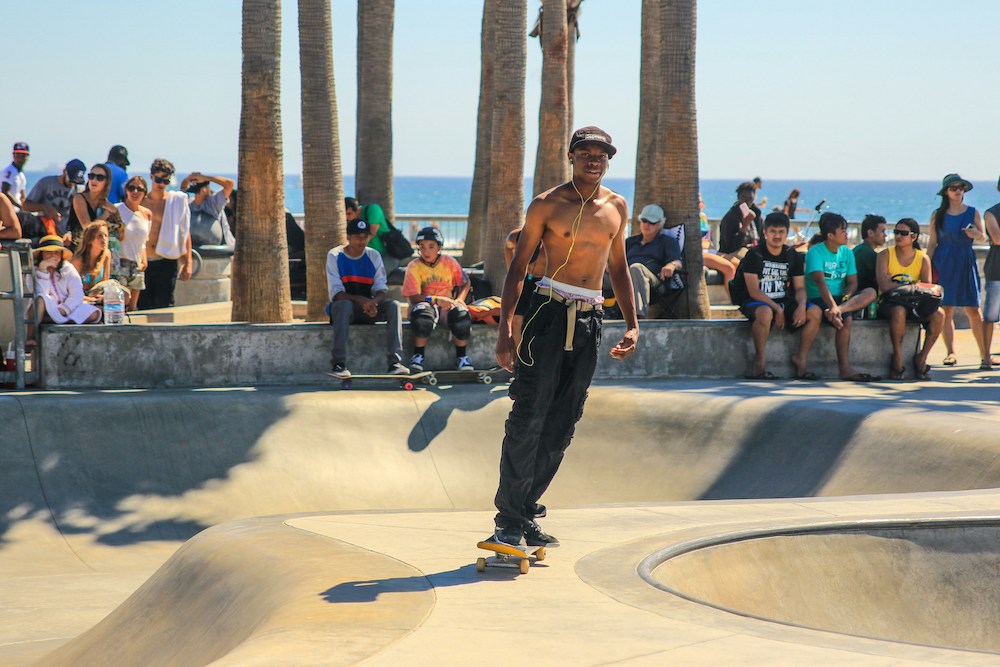
Skateboarding has influenced a wide range of musical genres over the years, and the relationship between skateboarding and music remains strong to this day. Music provides the perfect soundtrack for the skateboarding experience, capturing its rebellious spirit, energy, and sense of community.
Urban Art and Skate
Skateboarding has had a significant influence on urban art, shaping the aesthetic and visual culture of cities worldwide. Here are some ways skateboarding has impacted urban art:
- Spaces of expression: Skaters often seek abandoned or unconventional urban places to practice their sport. These places, such as skateparks, empty pools, concrete walls, and stairs, become spaces of expression both for skateboarding and urban art. Skaters often decorate these areas with graffiti, murals, and street art, turning them into natural extensions of skate culture.
- Style and aesthetics: Urban art inspired by skateboarding often features visual elements associated with the sport, such as skateboards, wheels, skate brand logos, and figures of skaters in action. These elements combine with graffiti, stencil, mural painting, and street art techniques to create works that capture skateboarding's energy and attitude.
- Collaborations between artists and skate brands: Many skate brands collaborate with urban artists to create unique designs for skateboards, clothing, and accessories. These collaborations fuse urban art with skate culture, resulting in products valued by both skaters and urban art enthusiasts.
- Manifestation of youth culture: Both skateboarding and urban art are manifestations of youth culture and urban creativity. They share a DIY (do-it-yourself) aesthetic and a countercultural attitude that challenges established norms. Urban art inspired by skateboarding often reflects this rebellious attitude and the emotional connection young people have with the city and urban landscape.
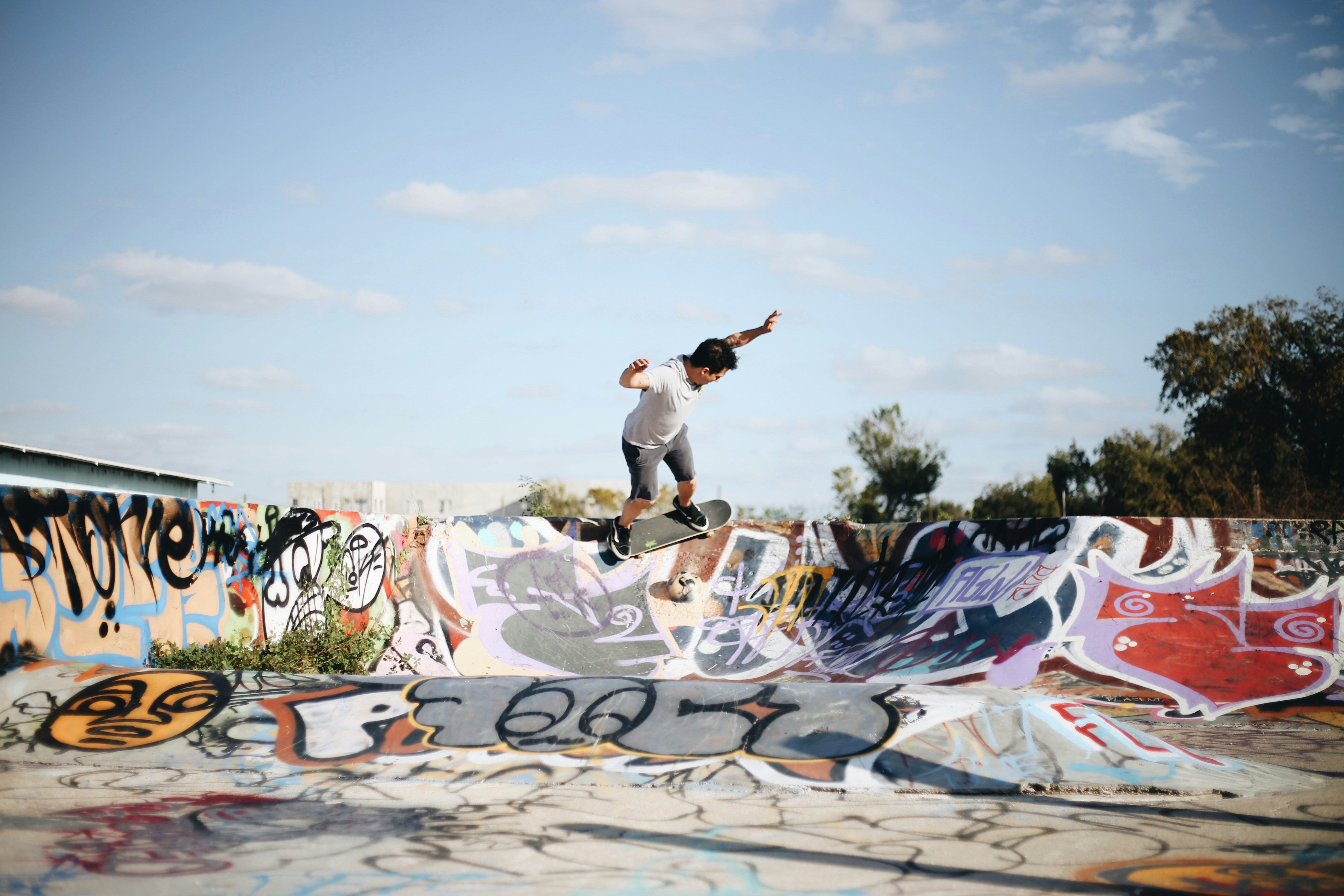
Today, skateboarding and urban art continue to share a common history and aesthetic that have shaped the visual culture of cities worldwide. Skateboarding's influence on urban art is evident in the iconography, aesthetics, and attitude of many contemporary street artworks, celebrating creativity, freedom, and skate community.
Youth Lifestyle: A Revolution
Beyond fashion, music, and art, skateboarding has deeply influenced the lifestyle of millions of young people worldwide. Skateboarding is not just about performing tricks on a board; it is a mindset, a way of seeing the world. Skaters are often seen as rebels, fearless and nonconformist, traits that resonate with many young people seeking to escape established norms and explore their own identity.
Skateboarding is an art form itself, where skaters can express themselves through their skating style, tricks, and choice of equipment. Skateboarding fosters creativity, courage, and camaraderie, values that transcend the sport itself and extend to all aspects of life.
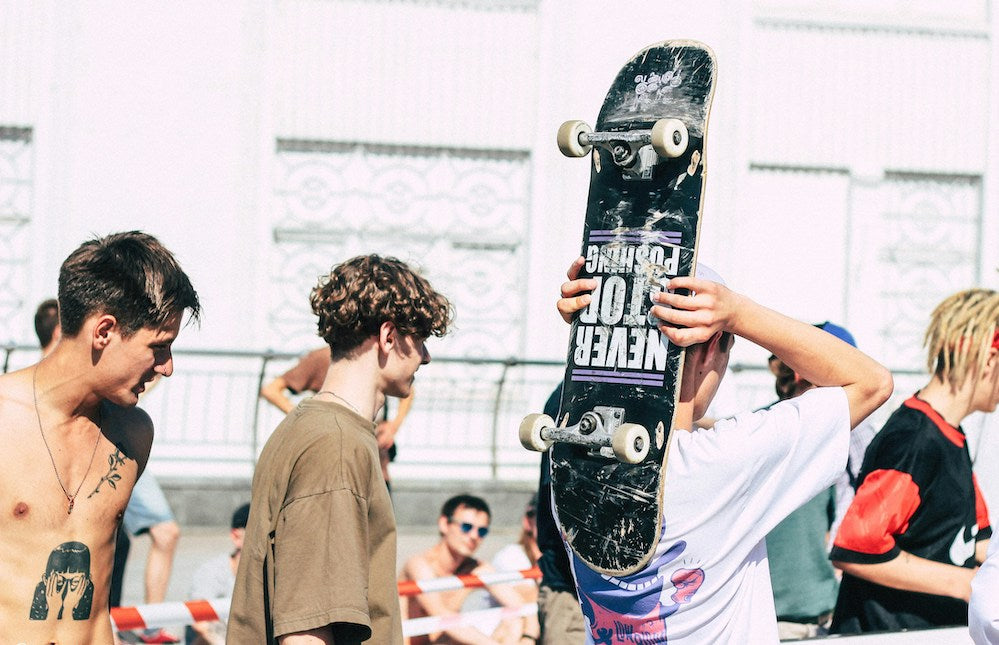
Moreover, skateboarding has created a united and supportive community of young people from diverse backgrounds and cultures. This community offers mutual support, friendship, and a sense of belonging that can be especially meaningful for those who may feel marginalized or misunderstood in other social environments.
Much More Than a Sport, a Movement
What began as a simple pastime has evolved into a global cultural phenomenon that continues to inspire generations of young people to express themselves, explore new horizons, and challenge established conventions.
Skateboarding transcends its status as a sport to become a global cultural phenomenon that has left an indelible mark on fashion, music, urban art, and youth lifestyle. From its modest beginnings on the streets of California to its worldwide proliferation, skateboarding has proven to be much more than a physical activity: it is a form of expression, a community united by values of creativity, freedom, and camaraderie, and an inexhaustible source of inspiration for present and future generations. In a constantly changing world, skateboarding remains a powerful reminder of the importance of authenticity, personal growth, and connection with others, demonstrating that true influence goes beyond ramps and tricks: it resides in the heart and spirit of those who practice it.
FREQUENTLY ASKED QUESTIONS ABOUT SKATEBOARDING
What are the essential elements to start practicing skateboarding?
The essential elements to start skating include a good quality skateboard, durable skate shoes, a safety helmet, knee pads, and elbow pads. It is also important to find a suitable place to practice, such as a skatepark or a smooth and safe surface.
What are the different types of skateboards?
There are several types of skateboards, including street boards, designed for performing tricks on urban surfaces; vert boards, ideal for ramps and pools; and cruising boards, which are longer and designed for long-distance travel.
What are some basic tricks for beginners?
Some basic tricks for beginners include the ollie, kickflip, pop shove-it, and grind. It is important to practice these tricks with patience and persistence, starting on flat surfaces before attempting them on ramps or rails.
How can I improve my skateboarding technique?
To improve your skateboarding technique, it is important to practice regularly, maintain proper posture, and work on movement coordination. Watching online tutorials, receiving advice from more experienced skaters, and practicing with friends can also help improve your skills.